



The Building Blocks of Protein
Before we dive into specific proteins, let's talk about what makes them work: amino acids. Think of amino acids as the essential building blocks your body uses to create protein. Protein is crucial for everything from repairing tissue to building muscle
and supporting immune function. There are 20 different amino acids, but nine of them are considered "essential" because your body cannot produce them on its own; you must get them from food. A food source that contains all nine of these essential amino acids in sufficient quantities is called a "complete protein." This is the gold standard for muscle repair and growth, as your body needs all the pieces in place to build effectively.
The Profile of Pea Protein
Pea protein, derived from yellow split peas, has become a powerhouse in the plant-based world for good reason. It's rich in most essential amino acids, especially the three Branched-Chain Amino Acids (BCAAs): leucine, isoleucine, and valine. Leucine, in particular, is a key trigger for muscle protein synthesis, the process of repairing and building muscle tissue. However, pea protein has a slight weak spot; it is relatively low in one essential amino acid called methionine. While it's excellent in many ways, this deficiency technically makes it an 'incomplete' protein on its own.
The Profile of Rice Protein
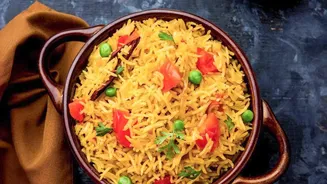
Next up is rice protein, which is typically extracted from brown rice. Like pea protein, it’s a strong plant-based option but also has its own unique amino acid profile. Interestingly, where pea protein is lacking, rice protein excels. It is a good source of the sulfur-containing amino acids cysteine and, importantly, methionine. However, rice protein has its own limiting factor: it is low in the essential amino acid lysine. So, just like pea protein, it doesn't quite meet the 'complete' criteria when consumed in isolation.
A Perfect Partnership
This is where the magic happens. When you combine pea and rice protein, their individual weaknesses are cancelled out. Pea protein is high in lysine but low in methionine, while rice protein is low in lysine but high in methionine. By blending them, you create a single protein source that contains all nine essential amino acids in strong concentrations. This complementary action results in a robust, complete amino acid profile that is comparable to animal-based proteins like whey or casein. It’s a perfect example of nutritional synergy, where the combination is far more powerful than the sum of its parts.
Why It Matters for Muscle
For anyone looking to build or maintain muscle mass, getting a complete protein source is vital. Your muscles need all nine essential amino acids available to effectively repair the microscopic tears that occur during exercise and to build new, stronger tissue. The pea and rice blend delivers on this front. Not only does it provide all the necessary building blocks, but it also offers a high concentration of BCAAs, which are critical for signaling muscle growth and reducing muscle breakdown after a workout. This makes the blend a highly effective, dairy-free, and hypoallergenic alternative for post-workout recovery and daily protein supplementation.