






Why Heat Steals Your Energy
On a hot day, your body is working overtime on a critical mission: staying cool. This process, called thermoregulation, diverts a significant amount of blood flow away from your digestive organs and towards your skin to release heat through sweat. This is why
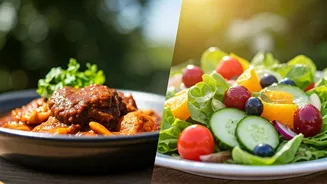
your appetite often plummets. The last thing your body wants is to be burdened with digesting a heavy, rich meal. Foods high in fat and complex carbohydrates require more energy to break down, generating even more internal heat. The result is that post-meal lethargy you feel, which is magnified tenfold when the temperature outside is soaring. Eating heavy meals in the heat is like asking your body to run a marathon while it's already busy fanning itself—it’s exhausting and inefficient.
Hydration is More Than Just Water
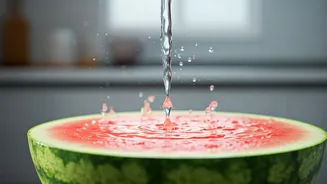
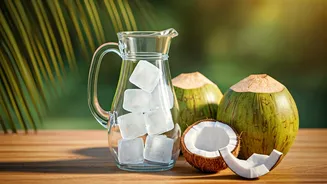
Reaching for a glass of water is instinctive, and rightly so. But when you sweat, you lose more than just water; you lose essential electrolytes like sodium, potassium, and magnesium. These minerals are crucial for nerve function, muscle contractions, and maintaining fluid balance. Replenishing them is key to avoiding dehydration-induced fatigue, headaches, and dizziness. While water is non-negotiable, supplement it with nature's electrolyte drinks. Coconut water is a fantastic source of potassium. A glass of buttermilk (*chaas*) or a salted lassi provides sodium and probiotics that aid digestion. Water-rich fruits and vegetables like watermelon, cucumber, and tomatoes also do double duty, providing both hydration and vital nutrients. Think of it as hydrating from the inside out, using both liquids and food.
The Smart Role of Light Protein
Here's a common misconception: because protein digestion generates heat (a process known as the thermic effect of food), many people avoid it in the summer. However, the key isn't to avoid protein but to choose the right kind. Light, lean proteins are essential for maintaining energy levels and preventing muscle loss, especially if the heat makes you less active. They also promote satiety, keeping you feeling full for longer without the heaviness of fats or refined carbs. This helps prevent mindless snacking on sugary, low-nutrient foods. The goal is to select proteins that are easy to digest and don't come packaged with a lot of fat. This provides sustained energy without forcing your digestive system into overdrive.
Your Summer Protein Toolkit
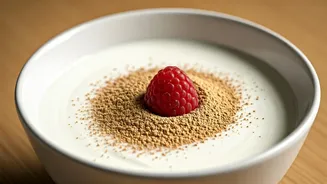
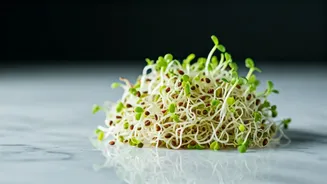
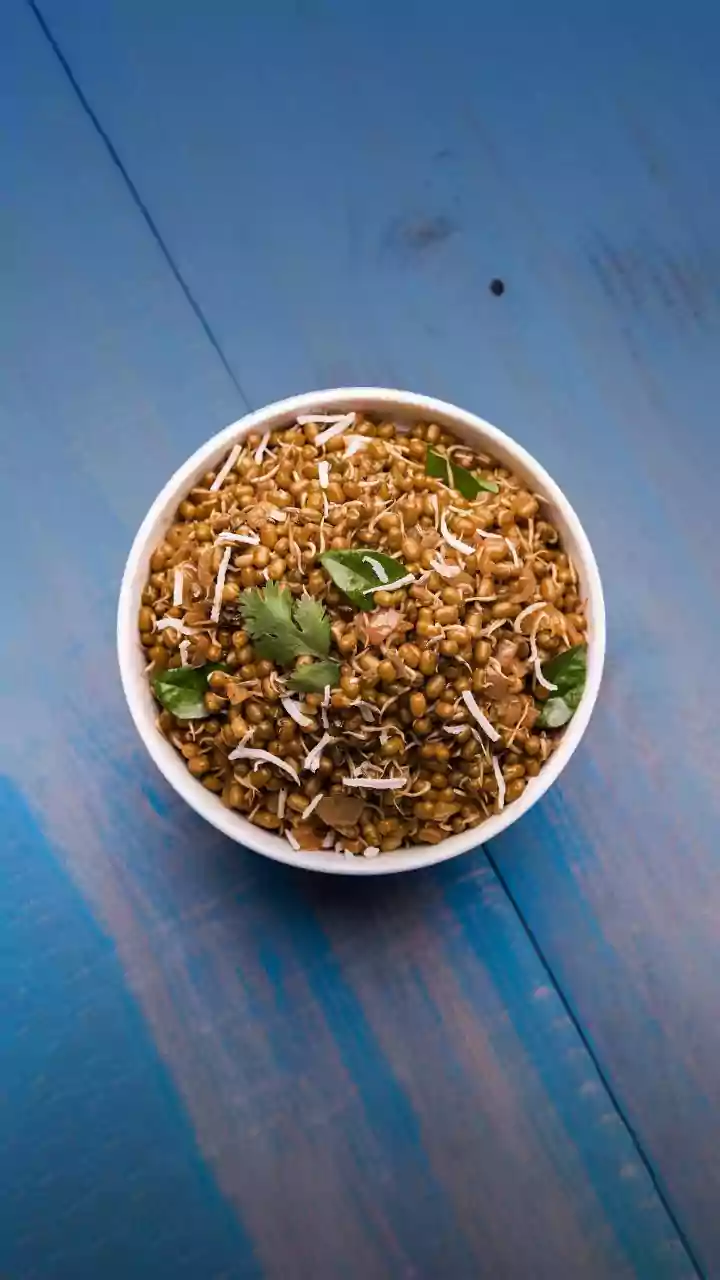
Building a heat-friendly menu is simpler than you think. Focus on proteins that are cooling or neutrally prepared. Curd (*dahi*) is a powerhouse; it’s a probiotic, a source of protein, and incredibly cooling. A bowl of dahi with a sprinkle of roasted jeera is a perfect small meal. Lentils, especially when prepared as a light dal or in a salad, are an excellent source of plant-based protein. Sprouted moong, chickpeas in a simple salad, or a glass of sattu sherbet are other fantastic options. For non-vegetarians, grilled fish or chicken breast are far better choices than rich, heavy curries. Even paneer, when crumbled into a salad or lightly sautéed instead of fried in a creamy sauce, can be a great addition to your summer diet.
Putting It All Together
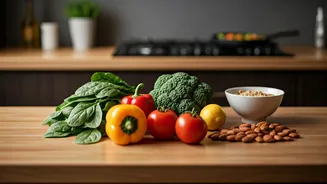
So, what does a winning plate for a hot day look like? Start with a hydrating base. A cucumber and tomato salad, a bowl of raita, or a clear vegetable soup are great starters. For your main, pair a light protein with complex carbs. Think of a simple moong dal with brown rice, a grilled fish with a side of steamed vegetables, or a chickpea salad with quinoa. Smoothies can also be a complete meal: blend yogurt, a handful of sprouts or a scoop of sattu, a banana for potassium, and a splash of coconut water. The principle is simple: keep meals small, frequent, and focused on fresh, easy-to-digest ingredients. This approach ensures you're nourished and energised, not weighed down, allowing you to conquer the heat rather than just endure it.