




The Fast-Drying Fabric All-Stars
When planning a trip that involves sink-washing or uncertain laundry access, your fabric choices are critical. Synthetic materials are the champions of quick-drying travel wear. Polyester is exceptionally hydrophobic, meaning it repels water rather than
absorbing it. It can dry indoors in as little as two to four hours. Similarly, nylon is a fantastic choice for its durability and minimal moisture absorption, making it a go-to for travel pants and outerwear. While synthetics lead the pack, don't overlook merino wool. This natural fiber is a travel favorite for its odor resistance and ability to regulate temperature. Although it dries a bit slower than polyester or nylon, it's significantly faster than cotton and can typically be ready to wear overnight. Many travel garments now use blends, combining the soft feel of merino with the speedy drying and durability of synthetics for the best of both worlds.
The Slow-Drying Items to Plan Around
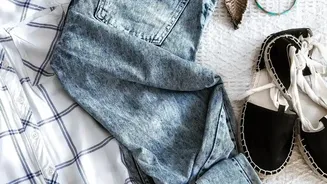
On the other end of the spectrum is cotton. While comfortable and breathable, cotton is highly absorbent and notoriously slow to dry, often taking 24 hours or more indoors. A single pair of jeans or a thick cotton hoodie can throw your entire laundry schedule off-kilter. This doesn't mean you must banish all cotton from your suitcase, but it does require strategic planning. Limit yourself to one or two favorite cotton items and schedule your laundry day when you have ample drying time, preferably with at least 24 hours before you need to pack again. The same logic applies to other natural fibers like linen; while great for hot climates, it can take 12 to 18 hours to dry fully, making it a risk for a quick overnight wash.
Building a Strategic Travel Wardrobe
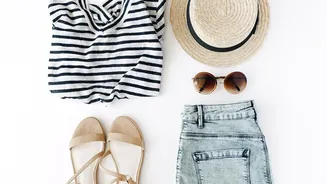
A successful travel laundry strategy relies on a well-planned wardrobe. Build your packing list around a core of quick-drying essentials. Think polyester T-shirts, nylon-blend pants or shorts, and merino wool base layers and socks. These items form a reliable foundation that can be washed in the evening and be dry by morning. Once you have these basics, you can pepper in a few of your slower-drying favorites, like a cotton shirt or a pair of linen trousers. The key is balance. For a one-week trip where you plan to do laundry once, you might pack four days' worth of quick-drying outfits and one or two 'special occasion' items made of slower-drying fabrics. This approach ensures you always have something dry and ready to wear without sacrificing style.
Mastering the Art of the Sink Wash
When a washing machine isn't available, your hotel sink becomes your best friend. To make the process efficient, pack travel-friendly detergent sheets or a small, leak-proof bottle of liquid detergent. A universal flat sink stopper is also a wise addition to your kit. When washing, agitate the clothes thoroughly—you are the washing machine, after all. Once clean, the most critical step for speed-drying is removing as much excess water as possible. Wring out the garment gently first. Then, lay it flat on a clean, dry towel. Roll the towel up tightly with the clothing inside and press or even stand on it to squeeze out every last drop of moisture. This single step can dramatically cut down on drying time.
Finding the Best Drying Spots
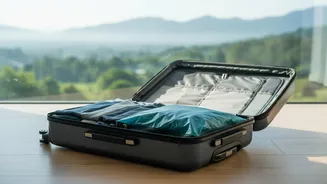
Where you hang your clothes to dry is just as important as how you wash them. Airflow is your greatest ally. Avoid leaving clothes in a damp, steamy bathroom after a shower. Instead, hang them in the main room where air circulates more freely. If the room has an air conditioner, fan, or heating unit, position your clothes nearby to take advantage of the moving air. Use hangers to create space between items, and drape larger garments over chairs or railings to maximize surface area exposure. A travel clothesline can also be invaluable for creating more hanging space. Never pack damp clothes; if something isn't fully dry by checkout time, keep it separate in a dedicated wet bag to prevent mustiness from spreading to your other belongings.