






The Monsoon's Lingering Goodbye
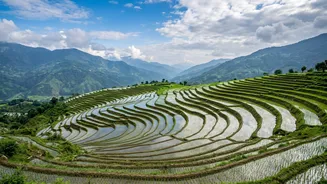
Traditionally, the southwest monsoon begins its retreat from northwest India in early September, with dry, pleasant weather settling over most of the country by October. This predictable timeline has long shaped autumn travel and festival schedules. However,
this pattern is no longer a given. In recent years, the monsoon's withdrawal has frequently been delayed, a process that can stall and stretch well into October. According to the India Meteorological Department (IMD), the complete withdrawal from the entire country, which historically finishes around mid-October, has been pushed later in some recent years. This means the transition from rainy to dry season is becoming more erratic and prolonged, introducing a new element of unpredictability for a month that many associate with clear skies.
Why Is the Weather So Unpredictable?
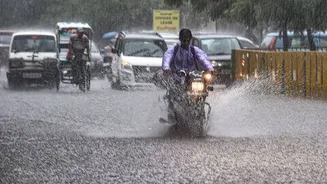
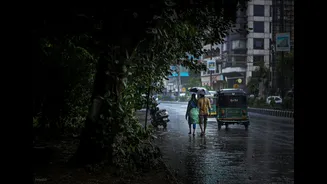
This shift isn't random; it's linked to broader climatic changes. Global warming is making the Indian monsoon both stronger and more chaotic. Scientists have noted that for every degree Celsius of warming, monsoon rainfall could increase by about 5%. This increased energy in the climate system can lead to more intense rain spells and a delayed, stuttering withdrawal. Low-pressure systems and depressions forming over central India or the Bay of Bengal can stall the retreat, pulling moisture back over the land even as the monsoon is supposed to be leaving. While the June-to-September season may officially end on the calendar, its effects can linger, creating a volatile mix of sunny days and sudden, heavy downpours just as festivities are set to begin.
Impact on Durga Puja and Dussehra
For cultural celebrations, this is a significant challenge. Durga Puja, which in 2026 takes place from October 17th to 21st, relies on large, open-air pandals. Unexpected heavy rain can lead to waterlogging, damage intricate decorations, and deter the massive crowds that are central to the festival's spirit. Similarly, Dussehra celebrations, culminating on October 21st this year, involve the burning of large effigies of Ravana in open grounds. Damp weather can make these events difficult, if not impossible, to execute as planned. Past years have seen last-minute scrambles by organisers to protect idols and manage flooded venues, a trend that may become more common.
What This Means for Your Travel Plans
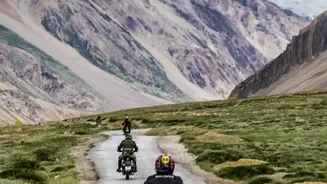
If you're planning to travel this October, flexibility is your new best friend. While forecasts for October 2026 suggest the possibility of below-normal rainfall for the country as a whole, regional and short-term variations are key. Some areas may still experience sudden, intense showers. For travellers, this means preparing for a mix of conditions. Road trips, particularly in hilly regions, require extra caution due to the risk of slippery roads or landslides. Train and flight delays are also more likely during periods of intense, unexpected weather. It's no longer safe to assume your holiday destination will be dry just because it's October. The best approach is to monitor weather forecasts closely, especially local and district-level alerts, as you get closer to your travel dates.
How to Plan for a Rainy Holiday
Adapting to this new reality doesn't mean cancelling your plans, but it does mean planning smarter. First, pack accordingly. Include a lightweight raincoat, an umbrella, and waterproof footwear alongside your festive attire. Opt for synthetic fabrics that dry quickly. Second, build buffer days into your itinerary. Avoid packing your schedule too tightly, as some activities may need to be postponed or cancelled due to rain. Third, when booking accommodation and transport, check for flexible cancellation or rescheduling policies. Finally, have backup plans. Research indoor activities, such as museums or restaurants, at your destination in case a full day of outdoor exploration gets washed out. By preparing for the possibility of rain, you can ensure that your holiday remains enjoyable, regardless of what the weather brings.