





The Smart Way to Plan: Unify Your Approach
Spontaneity is a joy, but budgeting for fuel, tolls, and rest stops shouldn't be an afterthought. By considering these three elements together, you can create a more efficient and enjoyable trip. Treating them as separate tasks leads to inefficiencies.
You might find a great place for a night's rest, only to realise the next affordable fuel pump is a significant detour away. Or you might budget for tolls but get surprised by fluctuating fuel prices between states. Integrated planning means looking at your route as a whole. It helps you identify the most logical points to refuel, pay tolls, and take a break, often allowing you to combine stops. This strategic approach not only saves time and money but also reduces the stress of making last-minute decisions on the highway, letting you focus on the journey itself.
Mastering Your Fuel Budget
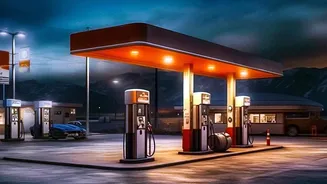
Fuel is often the single biggest expense on a road trip. With dynamic pricing, rates can vary daily and between states due to local taxes. Start by knowing your vehicle’s mileage to estimate total fuel consumption. Next, use modern tools to your advantage. Apps like Fuel@IOC, SmartDrive (BPCL), Park+, and MapMyFuel provide real-time petrol and diesel prices across various cities and even specific fuel stations. This allows you to identify where fuel is cheaper along your route. Instead of filling the tank randomly when it's low, you can plan to refuel in a city or state with lower prices. Some advanced trip planners can even suggest the most fuel-efficient routes, factoring in traffic and road conditions. Planning your fuel stops also helps in aligning them with your rest or meal breaks, making your journey smoother.
Navigating India's Toll System
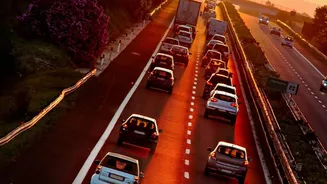
India's national highways primarily use the FASTag system, an electronic toll collection method where a tag on your windshield is automatically scanned at toll plazas. This has made crossing tolls faster, but it also means you need a funded FASTag account. To avoid surprises, you can estimate your total toll expenses before you even start your engine. The National Highways Authority of India (NHAI) has an official website, and various third-party apps like TollGuru and Google Maps now show estimated toll costs for a given route. When you input your destination in Google Maps, the app displays a projected toll fee alongside the travel time, using FASTag rates by default. Knowing these costs in advance allows for better budgeting and ensures your FASTag has sufficient balance, preventing penalties like paying double the toll fee, which is a risk as cash lanes are phased out.
Why You Can't Ignore Driver Rest
A successful road trip is a safe one, and that means prioritising driver rest. Driver fatigue is a major contributor to road accidents. While India has specific regulations for commercial drivers, such as taking a break after a few hours of continuous driving, the principle applies to everyone. The common recommendation from road safety experts is to take a break of 15-30 minutes for every two to three hours of driving. A driver should ideally not be behind the wheel for more than eight hours in a day. When planning your route, don't just look at the total travel time. Instead, build in these breaks. Identify potential rest stops, restaurants, or even scenic viewpoints where you can stretch your legs. For multi-day trips, pre-booking accommodations ensures you have a guaranteed place to rest and recharge for the next leg of your journey.
Tools for the Integrated Planner
Thankfully, technology is on your side. Several apps and websites are designed to help you with integrated road trip planning. Google Maps is a great start for routes and toll estimates. Apps like TollGuru, FUELabc, and other AI-powered planners go a step further, offering to calculate both toll and fuel costs for your entire trip. These tools can help you compare routes not just by time or distance, but by total cost. Some even allow you to input your vehicle's specific mileage for more accurate fuel estimates. By leveraging these resources, you can input your start point, destination, and vehicle type to get a comprehensive breakdown of expected expenses, allowing you to create a detailed and realistic budget before you hit the road.