







The Wisdom of Shravan Eating
The month of Shravan coincides with the peak of the monsoon season. According to Ayurveda, the digestive fire, or 'agni', is naturally weaker during this time, making us more susceptible to digestive issues and infections. Traditional Shravan diets, often
followed during fasting, are designed to counteract this. They typically favour light, easily digestible foods and exclude items like onion, garlic, and non-vegetarian dishes which are considered heavy or 'tamasic'. By choosing local, seasonal vegetables, you are naturally aligning your diet with what your body needs to stay balanced and healthy during the humid, damp weather.
Bottle Gourd (Lauki): The Hydrating Healer
Humble lauki is a superstar of the Shravan kitchen, and for good reason. Composed of over 90% water, it is incredibly light on the stomach and easy to digest. Its high water content helps keep you hydrated, while its alkaline nature can soothe an acidic stomach, a common complaint during the monsoons. It's also a good source of fibre. During Shravan, lauki can be cooked in a simple sabzi without onion and garlic, using cumin and green chillies for flavour. A simple lauki kheer also makes for a delicious and vrat-friendly dessert.
Taro Root (Arbi): The Energy Booster
Arbi, or taro root, is a dense and nutritious vegetable that provides sustained energy, making it an excellent choice for those observing fasts. It is rich in dietary fibre, which promotes good gut health and ensures smooth digestion. This starchy root is also a good source of essential minerals. While it should be cooked thoroughly, arbi is very versatile. It can be boiled, mashed and made into tikkis with rock salt (sendha namak), or prepared as a dry sabzi with carom seeds (ajwain) to make it even more digestible. Its low glycemic index is an added bonus for those watching their blood sugar levels.
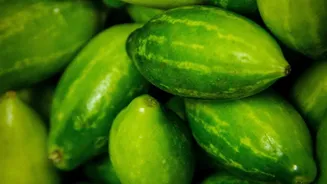
Pointed Gourd (Parwal): The Immunity Guard
Parwal is a classic monsoon vegetable that shines during Shravan. It is loaded with vitamins A and C, as well as antioxidants, all of which play a crucial role in bolstering the immune system against seasonal coughs and colds. Like lauki, it has a high water content and is low in calories, making it a light yet satisfying addition to your meals. Its seeds and peel are also a source of fibre, aiding in digestion. A simple and delicious preparation is 'Dahi Parwal', where the vegetable is cooked in a light, spiced yoghurt gravy, perfectly aligning with the sattvic food principles of the season.
Sweet Potato (Shakarkandi): The Healthy Carb
Often associated with fasting, sweet potato is a fantastic produce pick for Shravan. It offers complex carbohydrates that release energy slowly, keeping you full and active for longer periods. Unlike regular potatoes, it's packed with fibre, vitamins, and has a lower glycemic impact. Its natural sweetness is satisfying and can help curb cravings for processed sugar. The simplest way to enjoy shakarkandi is to boil or roast it and eat it with a sprinkle of rock salt and lemon juice. It can also be mashed to make tikkis or used to prepare a healthy, vrat-friendly chaat.
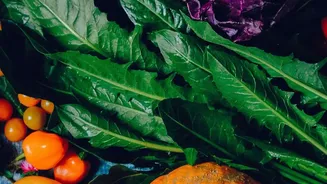
A Note on Leafy Greens
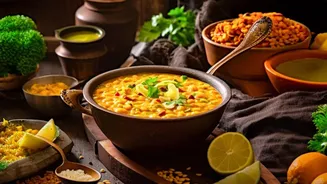
While leafy greens are nutritional powerhouses, they require extra caution during the monsoon. The high humidity and moisture can make them a breeding ground for germs. Traditional wisdom often advises reducing their intake during this season. However, if you choose to eat them, ensure they are fresh and not wilted. The key is in the preparation: wash them thoroughly, perhaps in lukewarm water with a bit of salt, and always cook them well. Steaming or sautéing is preferable to eating them raw in salads. Making them a part of a well-cooked dal or sabzi is a safer way to include them in your Shravan diet.