





A Near Record-Breaking Dry Spell
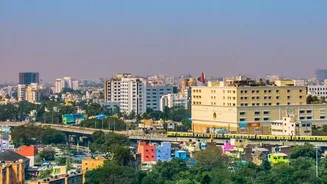
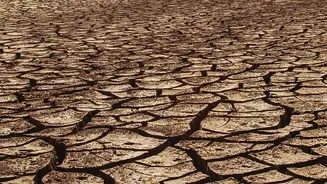
July 2026 was exceptionally dry for Bengaluru, recording the second-lowest rainfall for the month in 108 years. The India Meteorological Department (IMD) city observatory logged just 23 mm of rain, a figure only surpassed in its scarcity by the 18.5 mm recorded
way back in 1918. This is a stark departure from the typical 80 mm to 116.4 mm that the city usually expects in July. The month's poor showing has significantly weakened the southwest monsoon's performance in the region, eroding the surplus that had been built up by strong pre-monsoon showers. This prolonged dry spell also came with unusually high temperatures, with the city recording its hottest July day in over a century at 33.6 degrees Celsius.
What Turned Off the Taps?
Several meteorological factors conspired to keep the skies clear over South Interior Karnataka. According to IMD scientists, a developing El Niño in the Pacific Ocean is a primary culprit, as it's known to weaken the southwest monsoon and lead to extended dry periods. Furthermore, the monsoon trough, an essential low-pressure belt that drives rainfall, remained inactive over the peninsula for long stretches. Other global systems that can boost the monsoon, like the Madden-Julian Oscillation (MJO), were positioned too far east to have a positive impact. While an offshore trough along the west coast did bring some light showers at the very end of July and beginning of August, experts noted this was likely a short-lived event. The winds blowing over the state, though strong, lacked the necessary moisture content to produce significant rain.
The Ripple Effect on Water Reserves
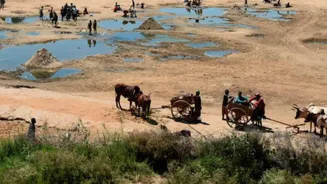
The dry July has cast a long shadow over the region's water security. Key districts in the Cauvery basin, including Bengaluru Urban, experienced large rainfall deficits, raising immediate concerns for both drinking water and irrigation. As of late July, Karnataka's 14 major reservoirs were only 52% full. The four major reservoirs in the Cauvery basin held about 65.3 tmcft of water, a stark contrast to the 105.4 tmcft available at the same time last year. While officials from the Bangalore Water Supply and Sewerage Board (BWSSB) have stated there is enough water to supply the city for the next few months, they also caution that a crisis could emerge in five to six months without adequate rain ahead. The situation is precarious, as these reservoirs supply not just Bengaluru but other towns and agricultural areas as well.
Looking Ahead: Hopes and Fears for August
The forecast for August offers little immediate comfort. The IMD has predicted below-normal rainfall for most of Karnataka for the month, with the El Niño effect expected to strengthen. This increases the likelihood of more prolonged dry spells. However, there is still some hope. Climatologically, August and September are typically Bengaluru's wettest months, contributing over 60% of the season's total rainfall. Meteorologists are hopeful that a few sustained spells of rain during this period could help the city recover and inch closer to a near-normal annual total. A brief revival of rainfall is anticipated between August 6 and August 12, though activity is expected to weaken again for much of the month. Citizens are being urged by officials to conserve water as a precautionary measure, avoiding non-essential uses like washing cars or gardening with treated drinking water.