


The Science of the Cold Centre
The primary reason large portions of food heat unevenly, especially in a microwave, comes down to how heat is transferred. Microwave ovens work by using electromagnetic waves to excite water molecules in food, causing them to vibrate and generate heat.
However, these microwaves can only penetrate food to a limited depth, typically about one to one-and-a-half inches. In a large, dense pot of food, the microwaves heat the outer layers effectively, but the centre remains untouched by this direct energy. The core of the food must then rely on conduction—the slow transfer of heat from the hot outer layers inward. This process takes time, often resulting in the outside being overcooked before the inside is even warm.
Microwaves vs. Stovetops and Ovens
Microwaves are notorious for uneven heating due to factors like "standing waves," which create hot and cold spots inside the oven chamber itself. A turntable helps mitigate this by moving the food around, but it can’t solve the penetration depth problem. Reheating on a stovetop or in an oven uses different principles—conduction and convection. On the stovetop, heat is conducted from the bottom of the pan upwards. In a deep pot, this still leads to a temperature difference between the bottom and the top, requiring frequent stirring for even heating. An oven circulates hot air (convection), which heats the food more gradually and evenly from all sides, making it a better choice for larger batches, though it takes longer.
The Single-Serving Advantage
This is where the single serving shines. When you heat a smaller, shallower portion, you increase the surface-area-to-volume ratio. More of the food is exposed to the initial heat source, whether it’s microwaves or the hot air in an oven. With less distance for the heat to travel to the centre, the entire portion reaches the desired temperature more quickly and uniformly. In a microwave, a single serving spread out on a plate may be thin enough for the waves to penetrate completely, heating it all at once rather than just from the outside in. This dramatically reduces the chances of encountering those dreaded cold spots.
Tips for Perfect Reheating
Regardless of portion size, a few simple techniques can vastly improve your reheating results. If you are using a microwave, arrange your food in a ring or donut shape on the plate, leaving the centre empty. This allows microwaves to hit the food more evenly from all directions. Adding a splash of water and covering the dish with a damp paper towel can help steam the food, keeping it moist. Stirring the food halfway through the heating process is also crucial for redistributing heat. Another pro tip is to use a lower power setting (around 50-70%) for a longer duration. This slows down the heating of the outer edges, giving the heat more time to conduct gently to the centre.
Choose the Right Method for the Job
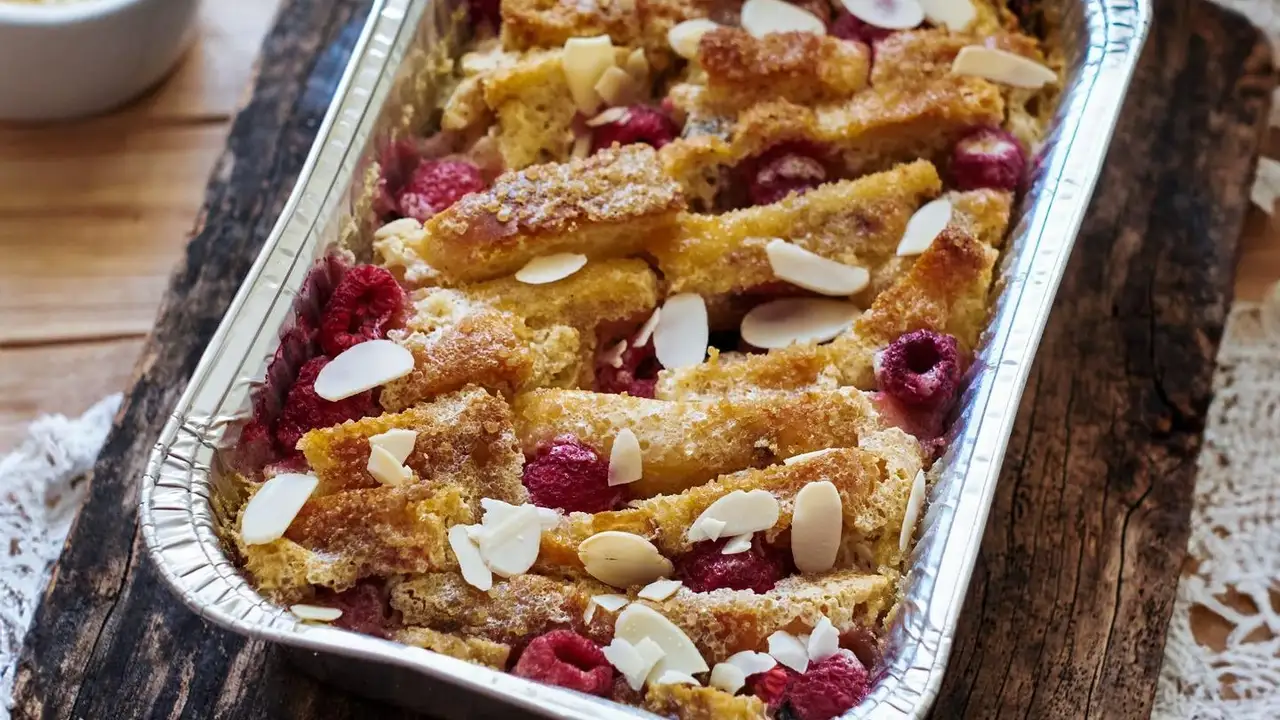
While a microwave is convenient for a single plate, it's not always the best tool. As a general rule, try to reheat food using the same method it was originally cooked with. Soups and stews do well on the stovetop over gentle heat. Baked dishes like lasagna or casseroles are best revived in the oven, which helps maintain their texture. Fried foods, like leftover fried chicken or fries, can regain some crispiness in an air fryer or a hot oven. By matching the reheating method to the food and, most importantly, by portioning it out before you start, you can ensure your leftovers are nearly as delicious as when they were first made.