


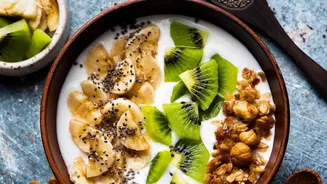
Managing diabetes often starts with the first meal of the day. A powerful, simple strategy involves pairing whole grains with specific seeds to help stabilise blood sugar, boost satiety, and provide sustained energy throughout your morning.
The Power of Partnership
The magic of
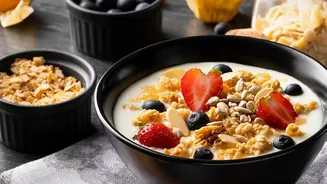
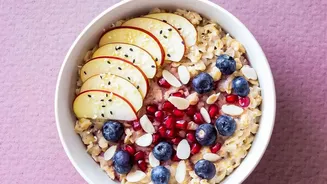
this morning meal strategy lies in combination. Whole grains like oats, dalia, or whole-wheat flour are recommended for diabetes management because their complex carbohydrates and fibre content lead to a slower, more gradual release of glucose into the bloodstream. When you add high-fibre seeds, you enhance this effect. The fibre, healthy fats, and protein from the seeds further slow down digestion and the absorption of sugar, preventing the sharp spikes that can occur after a meal. This synergistic effect not only supports better blood sugar control but also keeps you feeling full and satisfied for longer, reducing the urge to snack on less healthy options before lunch.
1. Chia Seeds: The Hydration Hero
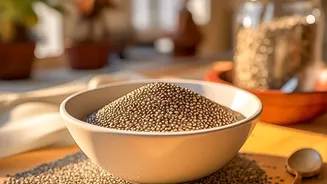
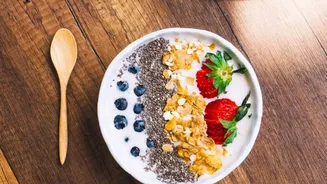
These tiny black seeds are a fibre powerhouse, packing a significant amount into a small serving. What makes chia seeds particularly effective is their high content of soluble fibre, which forms a gel-like substance when mixed with liquid. This gel slows down digestion, which in turn slows the conversion of carbohydrates into sugar, leading to more stable blood sugar levels after a meal. Their low glycemic index means they have a minimal impact on blood glucose. How to use: Stir a tablespoon of chia seeds into your morning porridge, oatmeal, or smoothie and let it sit for a few minutes to thicken.
2. Flax Seeds: Rich in Omega-3s
Flax seeds, or 'alsi', are celebrated for their rich content of alpha-linolenic acid (ALA), a plant-based omega-3 fatty acid that helps reduce inflammation—a key concern in diabetes management. Like chia seeds, they are an excellent source of soluble fibre, which aids in slowing sugar absorption and promoting satiety. Flax seeds also contain lignans, which are compounds with antioxidant properties that may improve insulin sensitivity. For your body to get the full benefit, it's best to consume flax seeds in their ground form. How to use: Sprinkle a tablespoon of ground flaxseed over yoghurt, or mix it into the batter for cheela or dosa.
3. Pumpkin Seeds: A Magnesium Boost
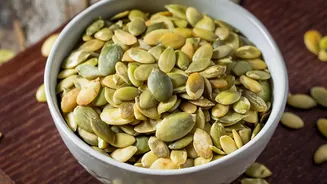
Often called pepitas, pumpkin seeds are a fantastic source of magnesium, a mineral that plays a crucial role in the body's insulin response and glucose control. Studies suggest that adequate magnesium intake is linked to improved insulin sensitivity. In addition to magnesium, these green seeds provide a healthy dose of fibre, protein, and unsaturated fats, all of which contribute to stable blood sugar and heart health. How to use: Enjoy a small handful of raw or roasted pumpkin seeds as a snack, or add them as a crunchy topping to upma or poha.
4. Sunflower Seeds: Vitamin E Power
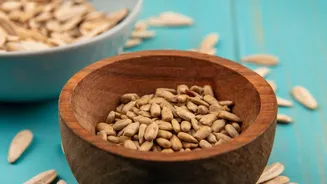
With a mild, nutty flavour, sunflower seeds are a rich source of Vitamin E, a potent antioxidant that helps combat inflammation. They have a low glycemic index and provide a good mix of protein, fibre, and healthy fats, including linoleic fatty acids. This combination helps to slow the rate at which your stomach empties, leading to a more gradual release of sugar from your meal and preventing sudden blood sugar spikes. How to use: Sprinkle shelled, unsalted sunflower seeds over salads, or mix them into a bowl of dalia for added texture and nutrients.
5. Sesame Seeds: Small but Mighty
Sesame seeds, or 'til', are packed with healthy fats, protein, and minerals like magnesium and zinc. Though small, they have a low carbohydrate content and their nutritional profile helps to ensure a minimal insulin response and slow digestion. Some studies have explored the role of compounds in sesame seeds, like sesamin, in improving glycemic control and antioxidant activity. They are versatile and can be used in both sweet and savoury breakfast dishes. How to use: Toast sesame seeds and sprinkle them over fruit and yoghurt, or incorporate them into the seasoning for savoury oatmeal.
Making It a Morning Habit
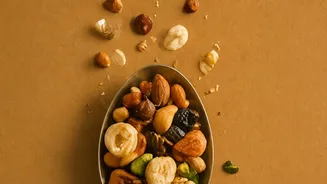
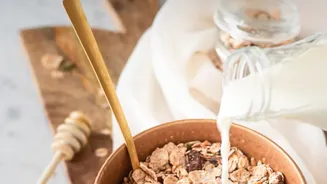
Incorporating these seeds into your daily routine doesn't have to be complicated. One of the easiest methods is to create your own multi-seed mix. Combine equal parts of these five seeds in an airtight container. Each morning, simply add one or two tablespoons of your custom mix to whatever whole grain breakfast you are preparing. This could be stirred into hot porridge, blended into a smoothie, or sprinkled over a plate of vegetable dalia or savoury oats. This simple habit ensures you get a wide range of nutrients without much extra effort, turning your breakfast into a powerful tool for your health.