



What Makes a Tea ‘Specialty’?
Before you can choose the right specialty tea, it’s helpful to know what the term means. Unlike mass-produced teabags which often contain finely cut leaves called "dust" or "fannings," specialty tea is all about quality and craftsmanship. It typically
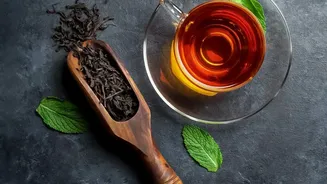
refers to loose-leaf tea made from whole or large, partial leaves. These larger leaves have more surface area, allowing them to unfurl during brewing and release a fuller, more complex range of flavours and aromas. Specialty teas are often grown on small estates, produced in limited quantities, and handled with great care to preserve their unique characteristics. Think of it as the difference between a generic bottle of table wine and a fine vintage from a specific vineyard; both are wine, but the experience is worlds apart.
The Importance of Origin
One of the most significant factors influencing a tea's taste is its origin—the specific place where it was grown. Much like coffee beans or wine grapes, tea plants absorb the characteristics of their environment. Teas are often named after their region of origin, which gives you immediate clues about their flavour profile. For instance, India, one of the world's great tea origins, boasts several famous regions. Assam, a hot and humid region in the northeast, is known for producing strong, rich, and malty black teas that are perfect for breakfast blends. In contrast, Darjeeling teas, grown at high altitudes in the Himalayas, are celebrated for their delicate, floral, and aromatic complexity, often called the "Champagne of Teas." Meanwhile, teas from the Nilgiri mountains in South India are typically fragrant, clean, and balanced. Understanding these regional differences is the first step to finding a tea you'll love.
A Deeper Dive: Terroir
To truly appreciate origin, you need to understand the concept of 'terroir'. This French term refers to the complete natural environment in which a tea is produced, including the soil, topography, and climate. Even a slight change in these elements can dramatically alter a tea's flavour. Altitude is a key factor; teas grown at higher elevations tend to grow slower, concentrating their aromatic compounds and resulting in more floral, delicate flavours. Soil composition also plays a crucial role, with different soil types imparting distinct mineral notes and textures. The amount of rainfall, sunlight, and even the surrounding flora can all leave their fingerprint on the final product. This is why a Darjeeling tea has a famous fruity, wine-like 'muscatel' note that can't be replicated anywhere else. Terroir is what gives a single-origin tea its unique story and sense of place.
Single Origin vs. Blends
When shopping, you'll encounter both single-origin teas and blends. A single-origin tea comes from one specific region or even a single farm, offering a pure expression of that location's terroir. These teas are prized for their distinct and often rare character. Blends, on the other hand, combine teas from different origins, cultivars, or even with other ingredients. Blending can be done for several reasons: to create a consistent flavour profile year after year (like in many breakfast blends), to balance out flavours, or to craft an entirely new taste experience. A classic Masala Chai is a perfect example of a blend, where a strong black tea base is mixed with a variety of spices. Neither single origin nor blend is inherently better; it's a matter of preference. Single origins offer a unique taste of a place, while blends provide balance, consistency, or creative new flavours.
Decoding the Ingredients List
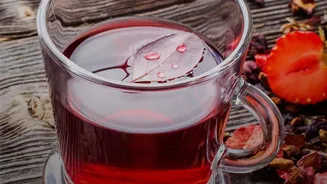
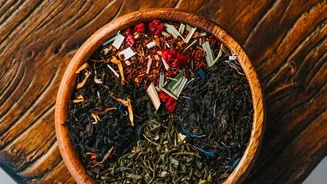
Beyond the tea leaf itself, the world of ingredients offers endless possibilities. Teas can be blended with a vast array of flowers, fruits, spices, and herbs. When looking at a flavoured or blended tea, pay close attention to the ingredients list. Look for natural components like dried fruit pieces, whole spices such as cinnamon or cardamom, and flower petals like rose or chamomile. These natural additions will provide a more authentic and nuanced flavour compared to artificial flavourings. For example, a high-quality Earl Grey will be scented with real oil of bergamot, while a lesser version might use a synthetic equivalent. Understanding the role of each ingredient will help you anticipate the tea's character—whether it will be warming and spicy, light and floral, or bright and fruity.
Your Tea Shopping Checklist
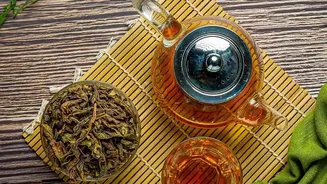
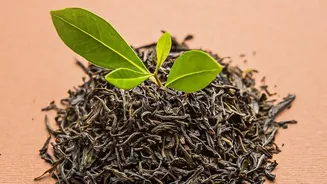
Feeling ready to explore? Keep these simple tips in mind. First, examine the dry leaves. High-quality loose tea should consist of whole, unbroken leaves with a vibrant, uniform colour. Second, trust your nose. The tea should have a fresh, distinct aroma; if it smells dusty or flat, it's likely old. Third, seek transparency. Reputable sellers will gladly provide information about a tea's origin, harvest date, and flavour profile. Finally, start small. Buy smaller quantities of different teas to explore various origins and blends without a big commitment. This allows you to discover what you truly enjoy before investing in a larger amount.