







The Carbohydrate Conundrum
Carbohydrates are the body's primary and preferred source of energy. When you eat them, particularly simple or refined carbs like white bread, pasta, or sugary snacks, they are quickly broken down into glucose. This causes a rapid rise in blood sugar,
providing a quick burst of energy. However, this is often followed by a sharp drop, as your body releases a surge of insulin to manage the sugar. This 'crash' can leave you feeling tired, irritable, and craving more carbs, creating a frustrating cycle of hunger and fatigue. While delicious, a meal consisting solely of carbohydrates often lacks the staying power to keep you satisfied for long.
Enter Protein: The Satiety Superstar
Protein is a powerhouse when it comes to feeling full. Compared to carbohydrates and fats, protein is widely considered the most satiating macronutrient. There are a few reasons for this. First, protein takes longer to digest, which means it stays in your stomach for a greater length of time, promoting a feeling of fullness. Second, it has a higher thermic effect of food (TEF), meaning your body uses more energy to digest it compared to other macronutrients. Finally, protein consumption can influence hunger hormones, reducing levels of ghrelin (the hunger hormone) while boosting hormones that signal fullness. Adding a source of lean protein like chicken, fish, tofu, or beans to your meal effectively puts the brakes on hunger.
Vegetables: The Fibre and Volume Factor
Vegetables, especially non-starchy ones like leafy greens, broccoli, and peppers, play a crucial dual role in satiety. Their primary contribution is fibre. Similar to protein, fibre slows down digestion. This helps to buffer the absorption of sugar from the carbohydrates into the bloodstream, preventing those dramatic spikes and crashes in energy. This leads to a more gradual and sustained release of energy. Furthermore, vegetables are high in water and low in calories, meaning they add significant volume and bulk to your meal without adding a lot of calories. This physical volume helps to stretch the stomach, another key signal to the brain that you are full and satisfied.
The Science of Synergy
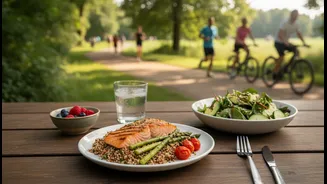
The magic truly happens when these three components—carbohydrates, protein, and vegetables—are eaten together. This combination creates a synergistic effect that goes beyond the benefits of any single nutrient. The protein and fibre from the vegetables work together to slow the digestion and absorption of the carbohydrates. This leads to a much more stable blood sugar response. Instead of a quick spike and a subsequent crash, you get a gentle, rolling wave of energy that lasts for hours. This balanced approach not only makes the meal more physically filling but also more satisfying from a metabolic standpoint, reducing cravings and the urge to snack shortly after eating.
Putting It on Your Plate
Translating this science to your daily meals is simple and delicious. Instead of a plain bowl of pasta, toss it with grilled chicken and roasted broccoli. Rather than just toast for breakfast, have it with a scrambled egg and a side of sliced tomatoes and spinach. A classic Indian meal of dal, rice, and a vegetable sabzi is a perfect example of this balanced combination. For a snack, pair an apple (carbohydrate) with a handful of almonds (protein and healthy fat) or enjoy hummus with vegetable sticks and a whole-wheat pita. These combinations ensure you're not just eating, but truly nourishing your body and keeping hunger at bay.