






Understanding Molecular Ageing
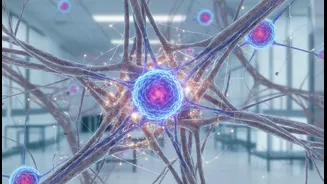
We often think of ageing in terms of wrinkles or grey hair, but the process runs much deeper, right down to our cells. 'Molecular ageing' refers to the gradual decline in the function and integrity of our cells over time. In our muscles, this can lead
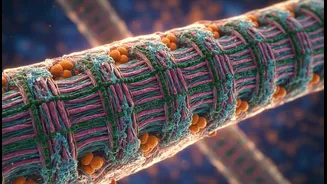
to sarcopenia, the progressive loss of muscle mass and strength. This isn't just about losing the ability to lift heavy things; muscle health is crucial for metabolism, balance, and overall vitality. Recent studies show that as we age, changes in gene expression and cellular communication can accelerate this decline, making muscles less efficient at repairing themselves and producing energy. Think of it as the powerhouses of your cells—the mitochondria—starting to run less efficiently. This process is influenced by lifestyle, with inactivity being a major accelerator.
Exercise: Your Body's Reset Button
The good news is that we are not helpless observers of this process. Exercise acts as a powerful countermeasure to molecular ageing. Research published in 2026 has shown that regular physical activity can effectively hit a 'reset button' inside aging muscles. One study highlighted that in trained older adults, about 50% of the typical age-related genetic changes in muscles were absent, making their molecular profiles resemble those of younger individuals. Exercise, particularly resistance training, has been shown to reverse the genetic fingerprint of aging in muscle tissue by improving mitochondrial function. It also helps clear out damaged cellular components and reduces the accumulation of 'senescent' or zombie cells, which contribute to inflammation and tissue decline.
The Power of Consistency
While the benefits of exercise aren't new, what is revolutionary is the emphasis on consistency. It’s not just about sporadic, intense workouts but about creating a long-term habit. Muscles appear to hold a 'molecular memory' of activity. Studies have shown that even past training provides a foundation that helps muscles respond better to exercise later in life. This memory works both ways; periods of inactivity also leave a negative imprint, especially in older adults, making recovery harder. Therefore, maintaining a consistent routine is more than just a motivational phrase; it’s a biological imperative for healthy ageing. This suggests that regular, moderate activity could be more beneficial for long-term molecular health than occasional, high-intensity sessions followed by long breaks.
Reshaping Your Everyday Decisions
This new understanding can fundamentally change how we approach fitness. Instead of viewing exercise as a short-term goal for weight loss or performance, we can see it as a daily investment in our long-term cellular health. This shifts the focus from intensity to consistency. Maybe it means choosing to take a brisk walk every day, committing to twice-weekly strength training, or simply ensuring you move more throughout the day. The goal is to keep your muscles 'trained' to fight off ageing. Healthy muscle tissue acts as a metabolic sink, helping to regulate blood sugar and reduce the risk of chronic diseases like diabetes. By preserving muscle, you are not just staying strong; you are actively managing your metabolic health and extending your 'healthspan'—the years you live in good health.