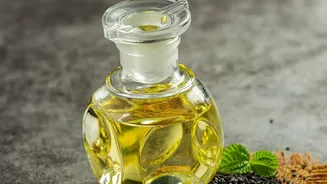





What Exactly Are Cold-Pressed Oils?
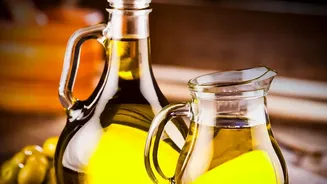
Before they were replaced by clear, neutral-tasting refined oils, Indian cooking relied on flavourful, aromatic oils extracted using traditional methods. Cold-pressing, or 'kachi ghani', is one such method. It involves mechanically crushing seeds or nuts
at a low temperature, without using chemicals or high heat. This gentle process ensures the oil retains its natural flavour, aroma, colour, and, most importantly, its nutritional profile. Unlike refined oils, which are processed to remove impurities and extend shelf life, cold-pressed oils are packed with the original vitamins, antioxidants, and healthy fats of their source ingredient. This makes them a choice for both flavour and wellness.
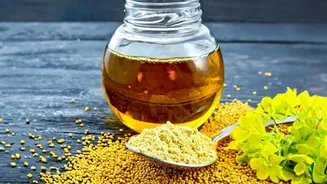
Mustard Oil: The Pungent Powerhouse
Known as 'sarson ka tel', cold-pressed mustard oil is the soul of many North and East Indian cuisines, particularly in Punjabi and Bengali dishes. Its sharp, pungent aroma and distinct flavour are unmistakable. Rich in heart-healthy monounsaturated fats and omega-3 fatty acids, it has anti-inflammatory properties and has been a staple in Ayurveda for centuries. Mustard oil has a high smoke point, around 250°C, making it incredibly versatile and stable for high-heat Indian cooking methods like frying samosas, preparing curries, and sautéing vegetables. It also acts as a natural preservative, which is why it's the oil of choice for making pickles ('achar'). To tone down its raw pungency, many cooks heat the oil until it just begins to smoke lightly before adding other ingredients.
Sesame Oil: The Nutty Elixir of the South
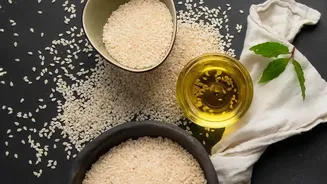
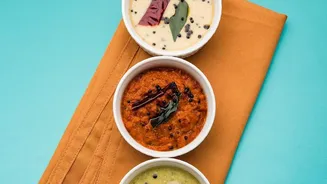
Often called 'til ka tel' or 'gingelly oil', cold-pressed sesame oil is a cornerstone of South Indian and some Gujarati cooking. With a rich, nutty flavour, it’s prized for its balance of monounsaturated and polyunsaturated fats and powerful antioxidants like sesamol and sesamin. These compounds give it anti-inflammatory properties and contribute to heart health. While it has a relatively high smoke point, it is most celebrated for its use in tempering spices ('tadka') for dishes like sambar and puliyogare, and as a finishing oil drizzled over salads and stir-fries. Its distinctive taste enhances tamarind-based gravies and chutneys beautifully. Beyond the kitchen, sesame oil is famous in Ayurveda for oil pulling to improve oral hygiene.
Groundnut Oil: The All-Rounder
Cold-pressed groundnut oil, or peanut oil, is a versatile cooking medium popular across Western and Southern India. It has a mild, nutty flavour that doesn't overpower dishes, making it a fantastic all-purpose oil. It boasts a high smoke point of about 232°C (450°F), which makes it ideal for all forms of frying—from deep-frying snacks like bhajiyas and samosas to stir-frying vegetables. Rich in monounsaturated fats (the same kind found in olive oil) and vitamin E, groundnut oil is excellent for heart health. It’s the go-to oil for preparing everyday sabzis, theplas, and tempering dals in many households, providing a subtle, pleasing aroma without dominating the spices.
How to Choose and Store Your Oils
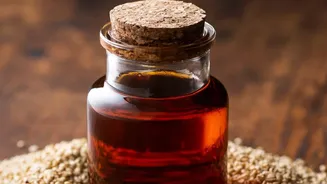
When buying cold-pressed oils, look for those sold in dark glass bottles, as this protects them from light, which can cause the oil to spoil faster. Always check the manufacturing date to ensure freshness. Once opened, these oils are best stored in a cool, dark cabinet, away from the heat of the stove. Unlike refined oils, cold-pressed varieties have a shorter shelf life because they don’t contain artificial preservatives. A change in smell—often described as waxy or stale—is a clear sign the oil has gone rancid and should be discarded. To get the most out of their flavour and nutritional benefits, it's best to buy them in smaller quantities that you can use within a few months.