



Why the Surge in Popularity?
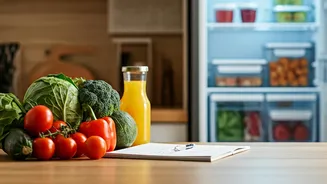
The idea of meal prepping isn't new, but its recent explosion in Indian urban households is. A perfect storm of factors is driving this trend. Busy professionals, tired of expensive and often unhealthy takeaways, are seeking control over their diet and budget.
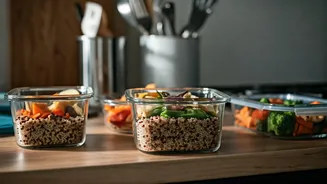
The rise of hybrid work models means less time for midday cooking breaks, while a growing health consciousness has people questioning what’s in their food. On social media, colourful, neatly stacked containers have turned a practical chore into an aspirational lifestyle, proving that being organised can also be beautiful. It’s a simple solution to the modern problems of time scarcity and decision fatigue.
Start with Components, Not Full Meals
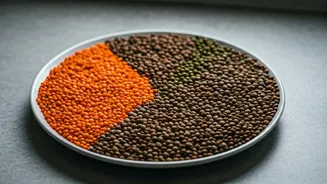
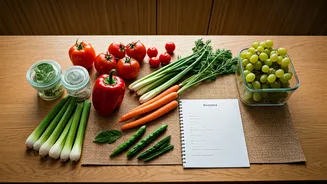
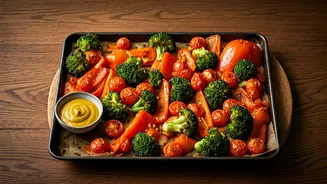
The biggest mistake beginners make is trying to cook seven distinct, complete meals. This leads to burnout. The secret is to prep *components*. Think of your Sunday session as building a library of ingredients. You can cook a large batch of a basic onion-tomato masala, boil a pot of dal, cook some quinoa or brown rice, grill chicken or paneer, and chop a week's worth of hardy vegetables like carrots and bell peppers. During the week, you simply assemble. That base masala can become a base for chana masala one night and egg curry the next. This approach prevents flavour fatigue and gives you flexibility.
Invest in the Right Containers
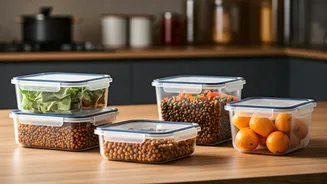
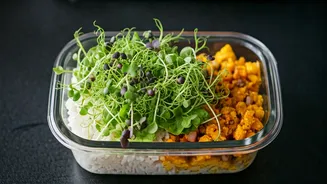
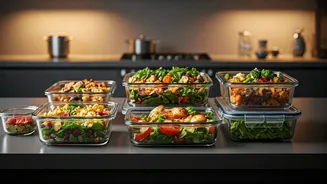
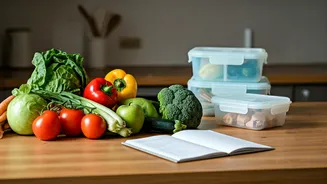
You can't have a successful meal prep system without proper storage. Leaky containers and food spoilage will quickly derail your efforts. Invest in a good set of airtight, leak-proof containers. Glass is a fantastic option as it doesn't stain or retain odours and can go from the fridge to the microwave safely. High-quality, BPA-free plastic is a lighter, more budget-friendly alternative. Stainless steel tiffins are also making a comeback for their durability and eco-friendliness. Having a variety of sizes is key—large ones for main components like dal and rice, and smaller ones for chutneys, salads, and snacks.
Make Your Freezer an Ally
Your freezer is the most underutilised tool in your meal prep arsenal. It’s perfect for preserving the freshness of your hard work. Most Indian gravies, dals, and cooked beans like rajma and chana freeze beautifully. You can freeze them in single-serving portions for easy defrosting. Soups, chutneys, and even parathas or theplas can be made in bulk and frozen. Just remember what *doesn't* freeze well: creamy or yogurt-based curries (they can split), and vegetables with high water content like cucumber and lettuce, which will turn mushy upon thawing.
Keep It Interesting
The biggest challenge of eating pre-prepared food is boredom. To combat this, think about texture and freshness. While your core components are cooked, plan for quick, fresh additions. A squeeze of lime, a sprinkle of fresh coriander, a handful of toasted peanuts, or a side of freshly sliced onions and tomatoes can completely transform a dish. A basic grilled chicken can be used in a wrap with fresh lettuce on Monday, in a salad on Wednesday, and shredded into fried rice on Friday. This way, the base is the same, but the final meal feels new and exciting every time.
A Sample Sunday Prep Plan
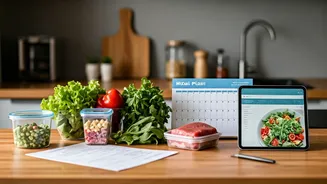
Feeling overwhelmed? Here’s a simple plan to get you started. On Sunday, spend two hours doing the following: 1. Make a large batch of basic onion-tomato-ginger-garlic masala. 2. Boil a large pot of black dal and a separate one of chickpeas. 3. Cook 3-4 cups of brown rice or millets. 4. Chop and store sturdy vegetables like carrots, capsicum, and onions in an airtight container. 5. Make a green chutney and store it in the freezer in an ice cube tray for easy portions. With this prep, you can easily assemble Dal Makhani, Chana Masala, vegetable pulao, and quick stir-fries throughout the week with minimal effort.