




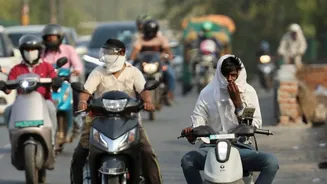
Why GRAP-1 Was Activated
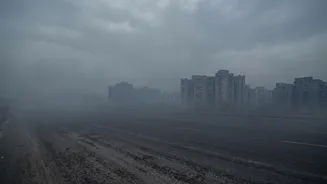
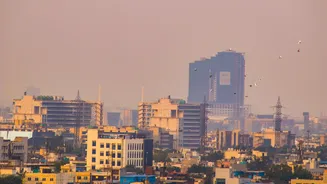
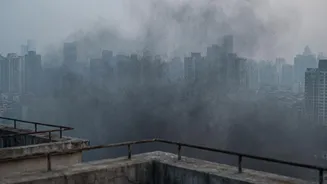
The Commission for Air Quality Management (CAQM) implemented Stage 1 of GRAP across the National Capital Region on October 21, 2026. This decision was made after Delhi's Air Quality Index (AQI) rose to 244, firmly in the 'poor' range (201-300). GRAP is an emergency
response plan that enforces progressively stricter measures to curb air pollution as the quality of air declines. Stage 1 is the first level of action, triggered to prevent the air quality from deteriorating further into 'very poor' or 'severe' categories. Forecasts from the India Meteorological Department (IMD) indicate that the AQI is likely to remain in the 'poor' category in the coming days, necessitating these pre-emptive measures.
Curbs on Construction and Demolition
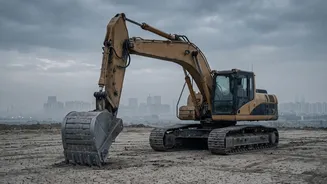
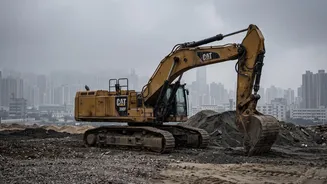
A key focus of GRAP-1 is controlling dust from construction activities. All construction and demolition (C&D) sites must strictly follow dust control norms. This includes covering construction materials, using water sprinklers, and ensuring debris is transported in covered vehicles. More significantly, C&D activities on plots of 500 square metres or more are not permitted if they are not registered on the government's web portal with provisions for remote monitoring of their dust control measures. While this is not a blanket ban on all construction, it targets larger projects that fail to comply with mandatory environmental regulations.
Vehicle and Traffic Regulations
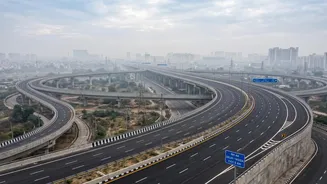
Under GRAP-1, there is no odd-even scheme or a general ban on private cars. However, existing bans on older vehicles remain firmly in place and will be strictly enforced. This means petrol vehicles older than 15 years and diesel vehicles older than 10 years are not permitted on Delhi's roads. Authorities will intensify checks for valid Pollution Under Control (PUC) certificates, and visibly polluting vehicles may be impounded or face heavy fines. To manage traffic flow and reduce idling emissions, more traffic personnel will be deployed at key intersections. Residents are encouraged to keep their vehicle engines properly tuned and to turn them off at red lights.
Industrial and Commercial Rules
Several restrictions apply to commercial and industrial operations. The use of coal and firewood in tandoors at hotels, restaurants, and other open eateries is strictly prohibited. The operation of diesel generator sets is also restricted and is only allowed for emergency and essential services, subject to specific rules. Industrial units that are not running on approved fuels will face strict action. Authorities have been directed to ensure that all industries in the NCR have switched to cleaner fuels and are complying with emission standards.
Waste Burning and Dust Control
A strict ban on the open burning of any type of waste, including garbage, biomass, and leaves, is a cornerstone of GRAP-1. Municipal corporations have been directed to enhance their efforts in mechanical road sweeping and regular water sprinkling, especially on roads with heavy traffic and dust. Collected dust must be disposed of scientifically at designated sites. These measures are aimed at controlling fugitive dust, a major contributor to particulate matter pollution in the winter months.
What Residents Should Know
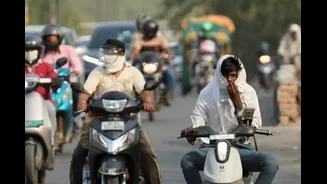
While many rules target industries and public agencies, citizens are urged to contribute. The citizen charter under GRAP encourages residents to minimise the use of private vehicles, keep their cars well-maintained, and use public transport where possible. Reporting violations is also crucial. Residents can use mobile applications like the Green Delhi App or SAMEER App to report instances of open burning, construction dust, or visibly polluting vehicles. It's important to note that schools and offices continue to operate normally under Stage 1, with no mandates for work-from-home.