





Prioritise Complex Carbs, Not Simple Ones
Carbohydrates are the body's primary fuel source, but not all carbs are created equal. Simple carbs found in maida, white bread, and sugary snacks cause a rapid spike in blood sugar, followed by a sharp crash that leaves you feeling tired and sluggish.
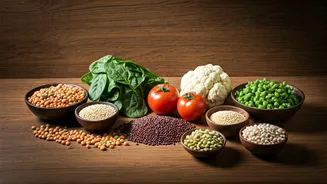
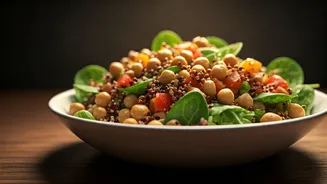
The solution is to focus on complex carbohydrates. These are digested slowly, providing a steady, sustained release of energy. Incorporate whole grains like atta, brown rice, and oats into your meals. Millets such as jowar, bajra, and ragi are fantastic, nutrient-dense options that have been a staple in Indian diets for centuries. They keep you full and energised for hours.
Master the Art of Food Pairing
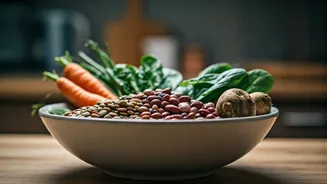
One of the smartest habits for a vegetarian is learning how to pair foods to maximise nutrient absorption. This is especially crucial for iron. Plant-based (non-heme) iron, found in dals, beans, and green leafy vegetables, is harder for the body to absorb than iron from meat. However, you can significantly boost its absorption by pairing it with a source of Vitamin C. This is easier than it sounds. Squeeze a lemon over your dal, add tomatoes to your palak sabzi, or have a glass of nimbu pani with your meal. This simple trick ensures your body gets more of the energy-boosting iron from the food you eat.
Include a Protein Source in Every Meal
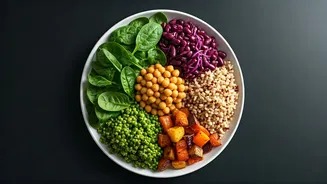
Protein does more than just build muscle; it plays a vital role in stabilising blood sugar levels and promoting satiety, which prevents energy dips between meals. A common mistake is loading up on carbs and forgetting about protein. Aim to include a good source of protein with every breakfast, lunch, and dinner. Excellent vegetarian options are abundant in India: paneer, tofu, lentils (dal), chickpeas (chana), kidney beans (rajma), and Greek yoghurt are all brilliant choices. Starting your day with a protein-rich breakfast, like a besan chilla or a bowl of dahi, can set the tone for a high-energy day.
Don't Forget Healthy Fats
Fats have been unfairly demonised, but healthy fats are essential for overall health and sustained energy. They are a concentrated source of energy and help in the absorption of fat-soluble vitamins. Include sources of healthy monounsaturated and polyunsaturated fats in your diet. A handful of nuts like almonds and walnuts makes for a perfect energy-boosting snack. Using desi ghee in moderation, cooking with mustard or groundnut oil, and adding seeds like flax and chia to your diet are all excellent ways to get the healthy fats your body needs to function optimally.
Pay Attention to Vitamin B12
Fatigue is a classic symptom of Vitamin B12 deficiency, a common concern for those on a strict vegetarian or vegan diet as it's primarily found in animal products. For lacto-vegetarians, dairy is a great source—milk, cheese, and yoghurt all contain B12. If you limit dairy, look for B12-fortified foods like certain breakfast cereals, plant-based milks (soy, almond), and nutritional yeast. It's a good idea to get your B12 levels checked by a doctor, who may recommend a supplement if your dietary intake is insufficient to meet your body's needs.
Hydration is a Non-Negotiable Habit
Even mild dehydration can manifest as fatigue, poor concentration, and headaches. Before you reach for another cup of coffee, ask yourself if you've had enough water. Your energy levels are directly tied to your hydration status. Aim to sip water consistently throughout the day rather than chugging a large amount at once. To make it more interesting, you can also hydrate with coconut water, buttermilk (chaas), or herbal teas. Eating water-rich fruits and vegetables like cucumber and watermelon also contributes to your daily fluid intake.