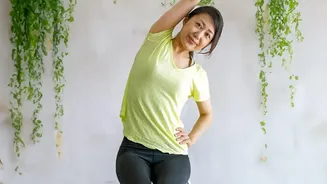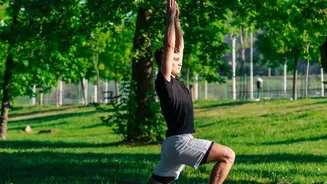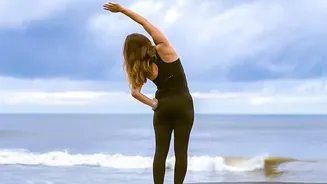




Starting a fitness journey can feel daunting, especially when you're worried about sore knees, stiff hips, or aching joints. But what if movement could be the solution, not the problem? This guide explores gentle, effective exercises to get you started.
Why Go Low-Impact?
Low-impact exercise is any activity that doesn't put significant strain or jarring force on your joints. Unlike running or jumping, these workouts typically keep one foot on the ground, providing stability while still delivering excellent health benefits. Choosing low-impact movements helps strengthen the muscles that support your joints, which can reduce pain and stiffness over time. It lubricates the joints by encouraging the circulation of synovial fluid, which acts like natural oil, helping everything move more smoothly. This approach is perfect for beginners, as it reduces the risk of injury, allowing you to build a consistent and sustainable fitness routine.
Dive In: Swimming and Water Aerobics
The pool is one of the most joint-friendly environments for exercise. The natural buoyancy of water supports your body weight, which dramatically reduces the stress and impact on your knees, hips, and ankles. This makes it possible to perform movements in the water that might be painful on land. Swimming provides a full-body workout, improving cardiovascular fitness and muscle strength simultaneously. If you're not a swimmer, consider water aerobics or even just walking in the shallow end; the water's resistance helps build strength gently and effectively.
Get Rolling: The Benefits of Cycling
Whether you use a stationary bike at home or cycle outdoors, pedalling is a fantastic, non-weight-bearing activity that is easy on the joints. The continuous motion is excellent for lubricating the knee joint and strengthening the surrounding muscles, including your quadriceps and hamstrings. Stronger leg muscles act as shock absorbers, taking pressure off the knee itself. Research has shown that regular cycling can reduce arthritis symptoms and improve function. For a safe and comfortable ride, adjust the seat height so your knee has a slight bend at the bottom of the pedal stroke.
Step Forward: The Power of Walking
Walking is perhaps the most accessible low-impact exercise of all. It requires no special equipment beyond a good pair of supportive shoes and can be done almost anywhere. A regular walking routine helps maintain a healthy weight, which reduces pressure on weight-bearing joints like your knees and hips. It strengthens muscles and bones while being gentle enough for most fitness levels. To begin, start with shorter walks of 10–15 minutes on flat surfaces and gradually increase your duration and pace as you feel more comfortable.
Flow and Balance: Yoga and Tai Chi
Mind–body practices like yoga and tai chi are excellent for improving flexibility, balance, and muscle control with minimal impact. Gentle yoga poses can increase your range of motion and ease stiffness. Look for beginner or restorative classes that focus on controlled movements. Chair yoga is also a wonderful, supportive option. Tai chi, often described as 'meditation in motion', involves slow, flowing movements that build strength and stability. Studies have shown it can be as effective as physical therapy for relieving knee pain from arthritis and also offers mental health benefits like reduced stress.
Your Guide to a Safe Start
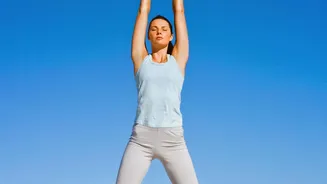
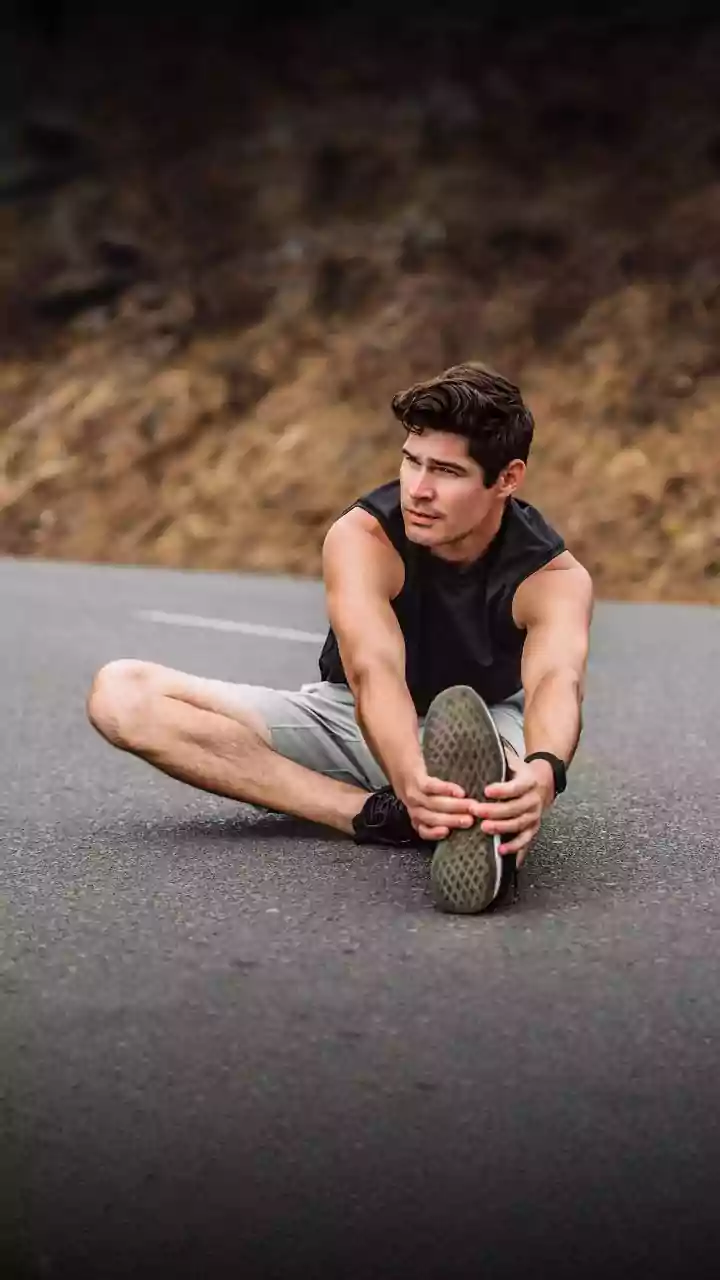
Before beginning any new exercise programme, it is always best to speak with your doctor or a physical therapist. Once you're cleared to start, always warm up for 5–10 minutes with light movement to prepare your muscles and joints. Begin slowly and pace yourself; it's better to do 10–15 minutes consistently than to overdo it and get discouraged. Pay attention to your body's signals. While muscle soreness is normal, sharp or increasing joint pain is a sign to stop and rest. Finally, remember to cool down with some gentle stretches after each session.