




Understanding the 'Red Alert'
The India Meteorological Department (IMD) has issued a 'red alert' for the ghat areas of Pune and Satara districts, which include Lonavala and Mahabaleshwar. This is not just a warning for heavy rain; it is the highest level of alert, signifying a forecast
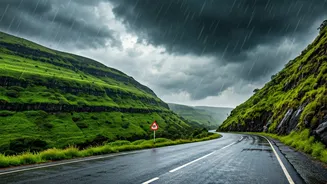
of extremely heavy rainfall (over 204.5 mm in 24 hours). A red alert means authorities expect significant disruption to traffic and utilities, with a high risk of dangerous events like flash floods and landslides. The IMD and local authorities have advised the public to avoid unnecessary travel and take action to protect themselves. These warnings are issued to prevent accidents and ensure public safety during severe weather events.
Route Analysis: Key Danger Zones
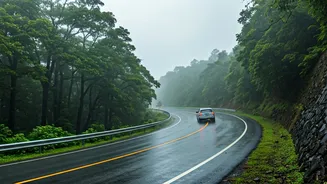
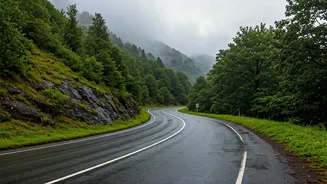
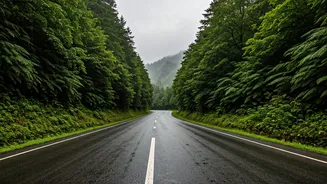
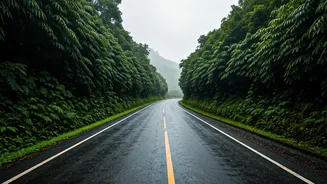
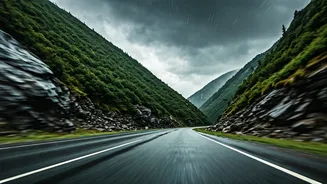
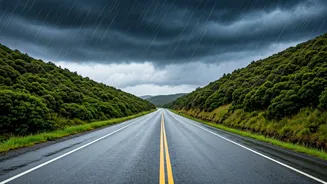
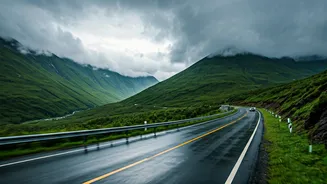
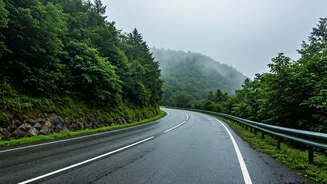
The journey from Lonavala to Mahabaleshwar involves navigating ghat sections that are notoriously treacherous during heavy monsoons. The primary route via the Mumbai-Pune Expressway (NH-48) and then towards Wai and Mahabaleshwar is susceptible to several hazards. The Khandala and Bhor ghats can experience dense fog, reducing visibility to near-zero, and are prone to landslides. Reports from previous monsoons show that landslides near the Kamshet and Adoshi tunnels on the expressway can cause significant traffic blockages for hours. Another critical section is the Ambenali Ghat, which connects Poladpur to Mahabaleshwar. This ghat has already witnessed landslides this season due to incessant rains, leading to complete traffic shutdowns. Authorities have been forced to close the route to clear debris, and ongoing road work exacerbates the risk.
Should You Travel at All?
Given the active red alert, the most crucial advice from authorities is to postpone non-essential travel. The risk of getting stranded due to landslides or waterlogging is extremely high. Many popular tourist spots, including waterfalls and trekking trails near Lonavala and Mahabaleshwar, are often closed by police during such alerts to prevent accidents. Driving in these conditions is not just about inconvenience; it's a serious safety gamble. If your travel is unavoidable, check with your hotel or resort, as many now offer flexible policies for rebooking during severe weather warnings. Prioritising safety over a weekend trip is the wisest decision.
Vehicle and Driver Preparedness
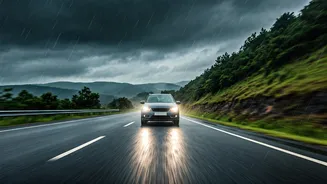
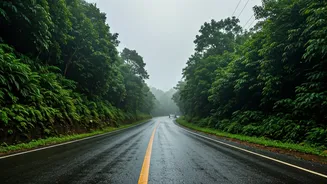
If you must drive, ensure your vehicle is monsoon-proof. Check your tyres for adequate tread depth to avoid hydroplaning on slick roads. Your wipers, headlights, and fog lamps must be in perfect working condition. Dense fog is a common feature in Mahabaleshwar during July, often appearing suddenly and reducing visibility drastically. Always drive with your headlights on. Reduce your speed significantly, maintain a safe distance from the vehicle ahead, and avoid any risky overtaking manoeuvres, especially on winding ghat roads. Pack an emergency kit containing extra food, water, a first-aid kit, a torch, and a fully charged power bank, as power outages and long traffic jams are common.
Emergency Information and Resources
Before starting your journey, and even during it, stay updated on the latest conditions. Follow the official social media handles of the local police and district administration for real-time updates on road closures and traffic diversions. The IMD's website and app provide the most current weather forecasts and warnings. In case of an emergency on the highway, keep helpline numbers handy. The Highway Safety Patrol and district disaster management authorities are the primary points of contact. NDRF teams have also been deployed in districts like Raigad and Satara to assist in emergencies. Knowing who to call can be critical if you find yourself in a difficult situation.