


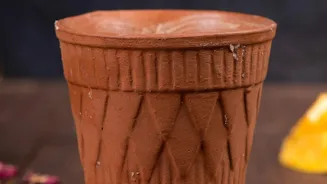
A Return to Slower, Healthier Cooking
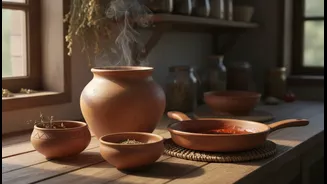
The resurgence of mitti ki handi isn't just about nostalgia; it's a conscious choice for a healthier lifestyle. In an era of fast-paced living and instant meals, many are finding comfort in the deliberate, gentle process of clay pot cooking. Unlike modern
cookware that can leach synthetic chemicals, unglazed earthenware is made from pure, natural clay, ensuring a non-toxic cooking experience. This return to tradition is driven by a growing awareness of what goes into our food. The porous nature of clay allows for slow, even cooking that requires less oil, making meals naturally lighter and healthier. Food cooks gently in its own juices, preserving delicate nutrients that can be destroyed by the harsh, high heat of metal pans.
The Science of Superior Flavour
Anyone who has tasted dal or biryani from a clay pot knows it hits differently. This isn't just imagination; there's a science to it. Clay is porous, allowing both heat and moisture to circulate evenly throughout the pot. This creates a slow-cooking effect that melds flavours together beautifully, resulting in a dish that is more aromatic and complex. Furthermore, clay is naturally alkaline. This property helps to neutralize the acidity in ingredients like tomatoes, balancing the overall pH of the dish and making it easier to digest. This gentle interaction enhances the food’s natural sweetness and imparts a subtle, earthy flavour that is impossible to replicate in metal or glass cookware.
Nostalgia and Cultural Connection
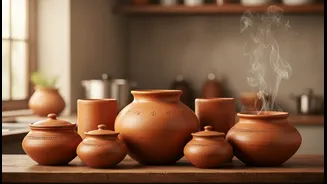
For many, the aroma of food simmering in a clay pot evokes powerful memories of grandmothers' kitchens and festive family meals. This culinary practice is deeply woven into India's cultural fabric, from the handis used for biryani and curries to the matkas that keep water naturally cool. Using earthenware is a way to connect with that heritage. It brings a sense of mindfulness and ritual to the act of cooking, transforming it from a daily chore into a cherished process. As home chefs explore regional and traditional recipes, they are finding that these dishes taste most authentic when prepared in the vessels they were designed for, honouring centuries of culinary wisdom.
Getting Started with Earthen Cookware
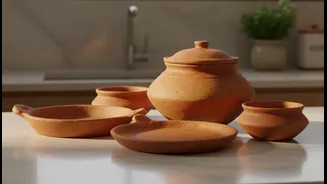
Adopting earthen cookware does require a little know-how, but the rewards are well worth it. The first crucial step is seasoning. Before its first use, a new clay pot should be soaked in water for several hours, or even overnight. This prevents cracking and allows the porous clay to absorb moisture, which later helps in steam-cooking the food. When it comes to cooking, the golden rule is to always start with a low flame and increase the heat gradually, as sudden temperature changes can cause the pot to crack. For cleaning, it's best to avoid harsh soaps and detergents, which can get absorbed into the clay. Instead, use hot water and a gentle scrub. With proper care, a clay pot can become a treasured part of your kitchen for years to come.