



The Psychology of the Line
Before you start picking out paint or pillows, it helps to understand why stripes have such a potent effect on a space. At its core, a stripe is simply a line, and our brains are wired to follow lines. This creates a sense of order, rhythm, and movement.
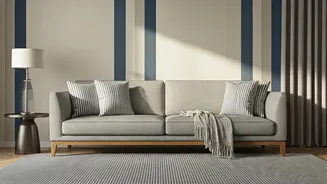
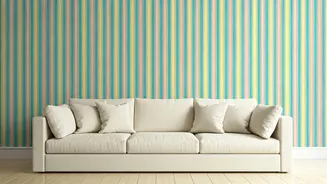
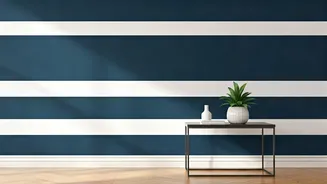
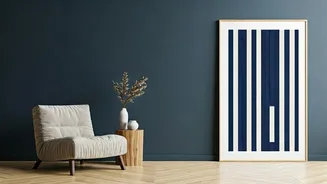
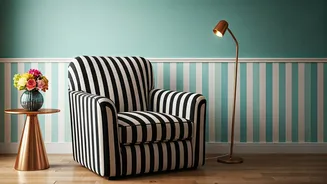
Vertical stripes draw the eye upward, making ceilings feel higher and rooms feel more grand and spacious. They lend a sense of formality and elegance. Horizontal stripes, on the other hand, guide the eye from side to side, making narrow rooms feel wider and more expansive. They tend to feel more relaxed, modern, and grounded. By choosing the direction of your stripes, you're not just adding a pattern; you're actively manipulating the perceived dimensions of your room.
Choose Your Stripe: Scale and Colour
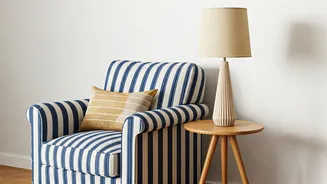
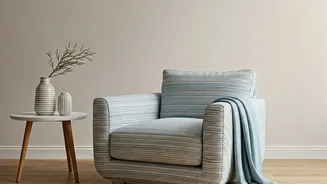
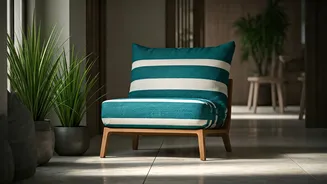
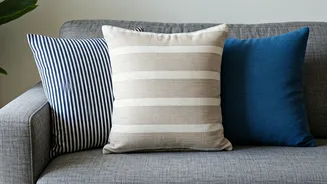
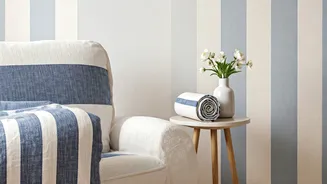
Not all stripes are created equal. The scale and colour you choose will dramatically alter the final look. Wide, chunky stripes (often called cabana or candy stripes) feel bold, playful, and coastal. They make a confident statement and are perfect for a feature wall, an area rug, or outdoor cushions. Thinner, more delicate stripes, like pinstripes or ticking stripes, are more subtle and sophisticated. They read almost as a solid from a distance but add texture and interest up close. These are ideal for bedding, upholstery, or wallpaper in a more traditional or serene space. When it comes to colour, the sky's the limit. A classic navy and white is nautical and crisp, black and white is graphic and modern, while a multi-coloured stripe is bohemian and full of energy. For a softer touch, consider tone-on-tone stripes, where you use two shades of the same colour for a textural, low-contrast effect.
Start Small with Textiles
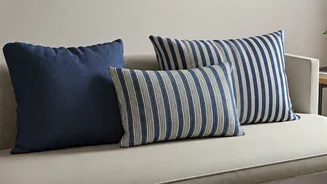
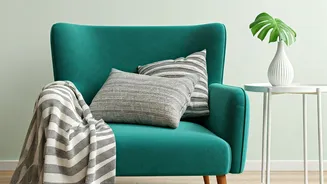
If the thought of painting stripes on your walls feels intimidating, don't worry. The easiest, lowest-commitment way to introduce this pattern is through textiles and accessories. A striped throw blanket tossed over a neutral sofa adds an instant pop of personality. A set of striped cushions can tie a colour scheme together. In the dining room, a striped table runner brings life to your tablescape without overwhelming it. In the bedroom, a striped duvet cover or a set of crisp pinstripe sheets can create a calming, hotel-like atmosphere. The best part about this approach is its flexibility. If you grow tired of the look, you can simply swap out the cushions or the rug for a quick and affordable refresh.
Go Bold with Walls and Floors
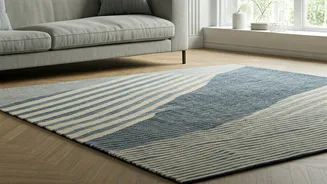
Ready to make a bigger commitment? Striped walls or floors can be transformative. For walls, a single accent wall behind a bed or sofa is a popular choice that creates a strong focal point without making the whole room feel too busy. If you’re using wallpaper, ensure the pattern is lined up perfectly for a professional finish. Painting stripes requires a steady hand, a level, and good quality painter’s tape, but the result is a truly custom look. For floors, a striped runner in a hallway is a classic trick to make the space feel longer and more elegant. A large, room-sized striped rug can anchor a seating area and define the space, adding both comfort and a strong graphic element that makes all your furniture pop.
Mixing Stripes with Other Patterns
One of the reasons designers love stripes is that they play so well with others. A stripe can act as a neutral foundation that allows other, more complex patterns to shine. The key to successfully mixing patterns is varying the scale. If you have a bold, wide-striped rug, pair it with a small-scale floral on your cushions. If your curtains have a delicate pinstripe, you can afford to use a larger, more graphic print on an armchair. Another trick is to stick to a consistent colour palette. As long as the patterns share one or two common colours, they will feel connected and intentional rather than chaotic. Think of stripes as the reliable, easy-going friend in your pattern family—they get along with almost everyone.