





What This Award Signifies
The Travel + Leisure 'Destination of the Year' is one of the most credible honors in the global travel industry, as it is largely reader-driven and reflects genuine traveler experiences and evolving trends. Unlike purely editorial picks, it highlights
destinations that deliver memorable, thoughtful, and high-quality experiences across the board. Past winners have included countries like Thailand and Costa Rica, chosen for their unique blend of culture, natural beauty, and hospitality. For India to receive this distinction underscores a successful, multi-faceted effort to enhance its tourism appeal on a global scale. The selection points to the country's incredible range, from pristine beaches and wildlife reserves to bustling mega-cities and serene, spiritual retreats.
A Strategic Push for Tourism
This recognition is no accident; it is the result of concerted efforts and strategic government initiatives. The 'Dekho Apna Desh' campaign, launched to encourage domestic tourism, has been instrumental in improving infrastructure and promoting lesser-known destinations. The campaign's second iteration, launched in 2026, specifically aims to redirect tourist traffic away from over-saturated hotspots to new, alternative destinations, ensuring a more balanced and sustainable tourism model. Furthermore, the government's Vision@2047 program, which aims to attract 100 million international tourists by 2047, has directly stimulated investment in destination development and hospitality infrastructure, laying the groundwork for this kind of international acclaim.
The Boom in Sustainable Travel
A key factor in India's win is its rapidly growing sustainable and eco-tourism sector. Nature-focused travel has shifted from a niche interest to a mainstream movement, propelled by a growing desire for open landscapes and authentic experiences. The Indian eco-tourism market reached over $21 billion in 2025 and is projected to exceed $51 billion by 2034, expanding at a rate that outpaces most other travel categories. This growth is fueled by rising environmental awareness among travelers, with a recent survey indicating that 82% of Indian tourists prioritize sustainability when planning trips. Initiatives promoting conservation zones, wildlife sanctuaries, and community-led tourism have been pivotal, turning local residents into stakeholders in conservation and creating new livelihood opportunities, particularly for women in rural areas.
Beyond the Golden Triangle
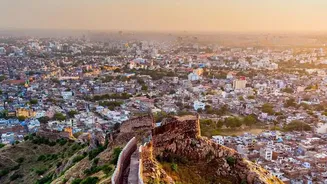
For decades, Indian tourism was synonymous with the 'Golden Triangle' of Delhi, Agra, and Jaipur. While these cities remain iconic, the country's tourism landscape has diversified dramatically. The 'Dekho Apna Desh 2.0' initiative actively encourages the promotion of lesser-known but tourism-ready destinations nominated by states. Travelers are now exploring the living root bridges of Meghalaya, the tranquil backwaters of Kerala, the tea gardens of Darjeeling, and the Himalayan vistas of Himachal Pradesh and Uttarakhand. This move not only relieves pressure on popular sites but also showcases the incredible diversity of India's cultural and natural heritage, offering deeper and more authentic travel experiences.
Luxury and Heritage Reimagined
The luxury travel sector has also undergone a remarkable transformation. Beyond traditional five-star hotels, India is now a hub for ultra-luxury and experiential hospitality. There is a rising trend of converting magnificent heritage properties—palaces, forts, and havelis—into boutique hotels, particularly in states like Rajasthan. This not only preserves historical architecture but offers travelers an immersive cultural experience. The market has seen the entry of top international brands like Raffles and Waldorf Astoria, while homegrown brands like Taj and The Leela continue to expand. This boom is driven by a surge in high-net-worth individuals and a growing demand for premium experiences, wellness tourism, and exclusive, personalized services.