






Decoding 'Below-Normal' Rain
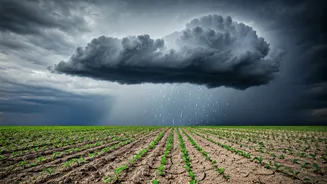
When the IMD predicts 'below-normal' rain for July, it means the country as a whole is expected to receive less than 94% of its Long Period Average (LPA). The LPA for July, based on rainfall data from 1971 to 2020, is about 280.4 mm. This forecast follows
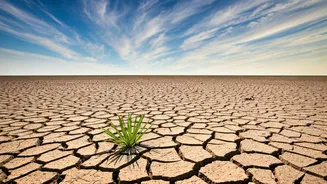
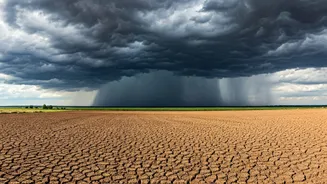
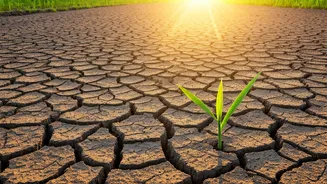
a significantly dry June, which saw a rainfall deficit of about 40%, making it one of the driest Junes on record. The strengthening El Niño phenomenon, a climatic pattern that warms the Pacific Ocean, is cited as a key factor suppressing the monsoon. While not all parts of India will be equally affected, with some regions in the northwest and northeast expected to see normal rain, the overall picture is one of scarcity.
The Critical Impact on Agriculture
July is the most crucial month for India’s Kharif or monsoon crops, which are sown from June to July. This season is the backbone of the country's food supply, producing staples like rice, maize, soybean, and cotton. With about 55% of India's farmland being rain-fed, a deficit in July can be devastating. It delays sowing, stunts crop growth, and can force farmers to shift to less water-intensive crops. The Ministry of Agriculture has already noted a significant drop in the sowing area for Kharif crops due to the weak start to the monsoon. A poor harvest not only cripples farmer incomes but also puts pressure on the nation's food security.
Water Worries and Power Problems
A weak monsoon has a direct and serious impact on water availability. The rainfall in July is essential for replenishing the country’s major reservoirs, which are vital for drinking water supply, irrigation, and hydroelectric power generation. Following a dry June, reservoir levels in many parts of the country are already lower than last year. A continued deficit could lead to water shortages in cities and rural areas later in the year, potentially prompting authorities to implement water conservation measures. Furthermore, lower water levels in dams mean reduced capacity for hydroelectric plants, which could put a strain on the power grid, especially with higher temperatures driving up demand for cooling.
Ripple Effects Across the Economy
The consequences of a poor monsoon ripple out from the farmlands to the entire Indian economy. Reduced agricultural output directly impacts rural incomes, which in turn dampens demand for consumer goods, tractors, and two-wheelers—sectors that depend heavily on rural spending. A shortfall in food production can also lead to higher food inflation, pinching household budgets across the country. Economists warn that even a 10% deficit in rainfall could significantly increase headline inflation. The government and the Reserve Bank of India are closely monitoring the situation, as it has major implications for economic growth and price stability.