
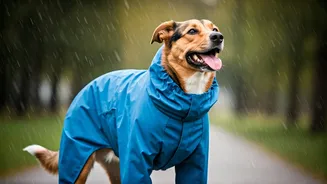
Understanding the Monsoon Paw Problem
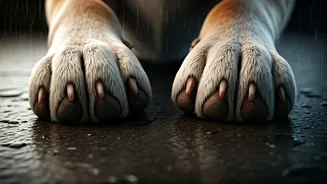
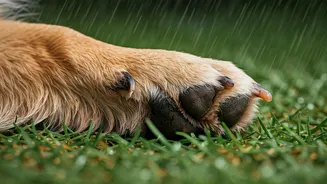
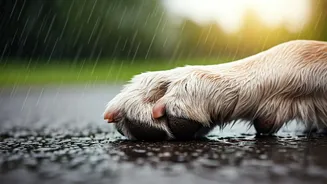
The rainy season in India is tough on a dog's paws. They are constantly exposed to wet, muddy surfaces, puddles filled with hidden bacteria, and allergens. The spaces between their toes can trap moisture, creating a warm, damp environment perfect for
fungal and bacterial growth. This often leads to a condition called pododermatitis, which involves inflammation and infection of the feet. You might notice your dog excessively licking or chewing their paws, limping, or see redness and swelling. Persistent licking is often the first sign of irritation, not just a habit.
Prevention: The First Line of Defence
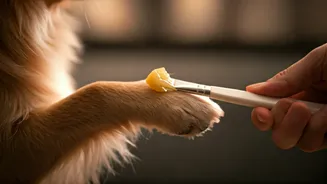
The most effective treatment is prevention. Before you even step out, consider applying a thin layer of a pet-safe paw balm. This creates a protective barrier against moisture and irritants. If your dog tolerates them, waterproof booties offer the best protection, especially on flooded streets. Keeping the fur between the paw pads trimmed short is another crucial step. Long hair traps mud and moisture, slowing down drying time and encouraging infections. Try to steer your dog away from walking through stagnant puddles, which can harbour harmful bacteria like Leptospira.
The Essential Post-Walk Cleaning Ritual
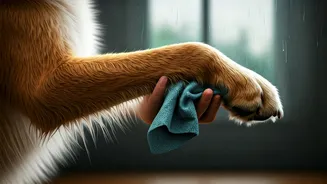
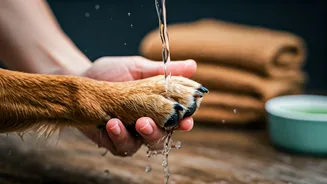
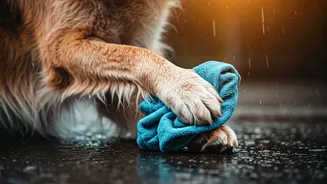
A non-negotiable rule for the monsoon is to clean and dry your dog’s paws after every single walk. This is the single most effective step to prevent infections. First, use a towel to wipe off surface mud. Then, rinse the paws with lukewarm water. You can add a vet-recommended pet-safe antiseptic solution, such as one containing diluted chlorhexidine, for a more thorough clean. The most critical part is drying. Use a soft, absorbent towel and meticulously dry each paw, paying special attention to the areas between the toes where moisture loves to hide. A hairdryer on a low, cool setting can be used for dogs with thick coats.
Identifying Early Signs of Irritation
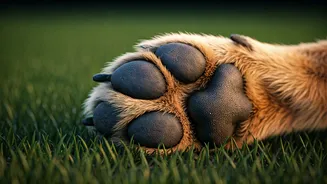
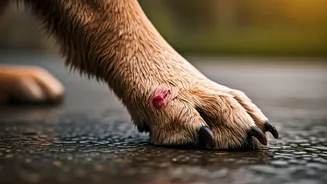
Regularly inspect your dog's paws for trouble. After cleaning, take a moment to look closely at the pads and between the toes. Signs of a developing problem include redness, swelling, a musty or foul odour, and discharge. You may also see the fur between the toes stained a reddish-brown colour, which is caused by chronic licking. If your dog is limping, constantly favouring a paw, or seems sensitive to the touch, it's a clear indicator of pain or discomfort that needs attention.
Vet-Approved Soothing Solutions
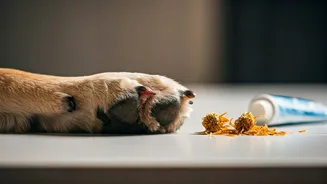
For minor redness and irritation, you can provide relief at home. An antifungal or antibacterial powder can help keep the paws dry after cleaning. A soothing, pet-safe paw balm or cream can help heal minor cracks, but should only be applied to clean, completely dry paws. For more significant irritation, vets may recommend medicated wipes or shampoos. For a simple and safe home remedy, you can try an Epsom salt soak. Dissolving Epsom salts in warm water and soaking the paws for about 10 minutes can help reduce inflammation. Always ensure you rinse and dry thoroughly afterwards.
When to See the Veterinarian Immediately
While home care is effective for prevention and minor irritation, some situations require professional medical help. The promise of a "fast cure" often involves a vet's intervention. If you notice any open sores, pus-filled blisters, significant swelling, or if your dog is in obvious pain, it's time to see the vet. A persistent bad smell that doesn't resolve with cleaning is also a red flag for a deeper infection. Your vet can accurately diagnose the issue—whether it's fungal, bacterial, or allergy-related—and prescribe the necessary oral medications or stronger topical treatments to cure the infection swiftly and effectively.