







A Note on Monsoon Fruit Safety
Before diving into the delicious bounty, a word on safety is crucial. The monsoon's high humidity creates a breeding ground for bacteria and fungi. It's essential to avoid pre-cut fruits sold by street vendors and to wash all produce thoroughly under
running water before consumption. Opt for fruits that are fresh and whole. Some experts also suggest limiting fruits with very high water content, like melons, if you are unsure of their freshness, as they can be more susceptible to contamination. Sticking to pulpy, less watery fruits and practicing good hygiene is the best way to enjoy the season's best without worry.
Jamun (Black Plum)
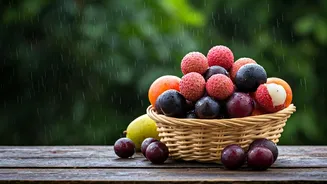
The deep purple Jamun is the quintessential monsoon fruit. Its arrival in the market is a sign that the rains are here to stay. Jamun is loaded with essential nutrients like iron, potassium, and vitamins A and C. These nutrients are vital for boosting immunity, which is often compromised during this season. Its natural astringent properties make it excellent for digestive health, helping to combat common monsoon issues like diarrhoea and indigestion. Jamun also has a low glycemic index and contains compounds that help regulate blood sugar levels, making it a fantastic choice for many.
Pomegranate (Anar)
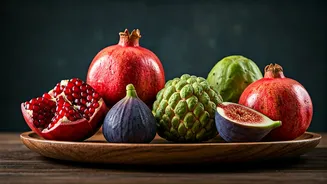
Pomegranates are a powerhouse of antioxidants, even more so than many other fruit juices. These ruby-red seeds, or arils, are packed with compounds that have potent anti-inflammatory properties, helping your body fight off infections like the common cold and flu. Rich in Vitamin C and B vitamins, pomegranates support a strong immune system and help in the production of red blood cells. The high fibre content also aids digestion, preventing the sluggishness and bloating that can accompany the humid weather.
Litchi
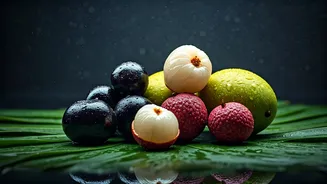
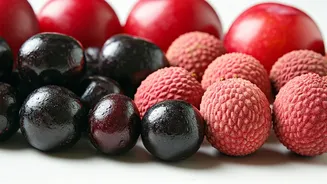
Though its season starts just before the monsoon, the juicy litchi remains a popular choice well into the rainy months. Litchis are an excellent source of Vitamin C, a key nutrient for enhancing immune function and fighting off viral infections. They also have a high water content, which helps you stay hydrated in the sticky, humid weather. Furthermore, litchis contain antioxidants and have anti-inflammatory properties that protect the body and support skin health, giving you a natural glow despite the damp conditions.
Cherries
These small, vibrant fruits are rich in antioxidants like beta-carotene and Vitamin C, which help reduce inflammation and protect the body from infections. Cherries are available in abundance during the rainy season and offer more than just a sweet and tangy flavour. They contain melatonin, which can aid in better sleep, and are a good source of potassium, which helps in regulating blood pressure. Their anti-inflammatory properties can be particularly soothing during a season known for triggering aches and pains.
Plums (Aloo Bukhara)
Plums are another monsoon gem, celebrated for their blend of sweet and tangy flavours. They are loaded with dietary fibre, which is essential for maintaining a healthy digestive system and preventing constipation. Rich in vitamins C and K, potassium, and other nutrients, plums help strengthen the immune system and assist the body in assimilating iron. Their high antioxidant content also helps fight inflammation and supports overall health, making them a perfect snack to keep you strong through the season.
Pears (Nashpati)
Pears are a fantastic monsoon fruit because they are nutrient-dense yet low in calories. They are packed with immunity-boosting Vitamin C, with a single pear providing a significant portion of your daily requirement. Pears are also exceptionally high in fibre, which aids digestion and promotes a feeling of fullness, making them an excellent choice for a healthy snack. Their crisp texture and sweet taste offer a refreshing break, and their rich nutrient profile helps keep seasonal ailments at bay.