
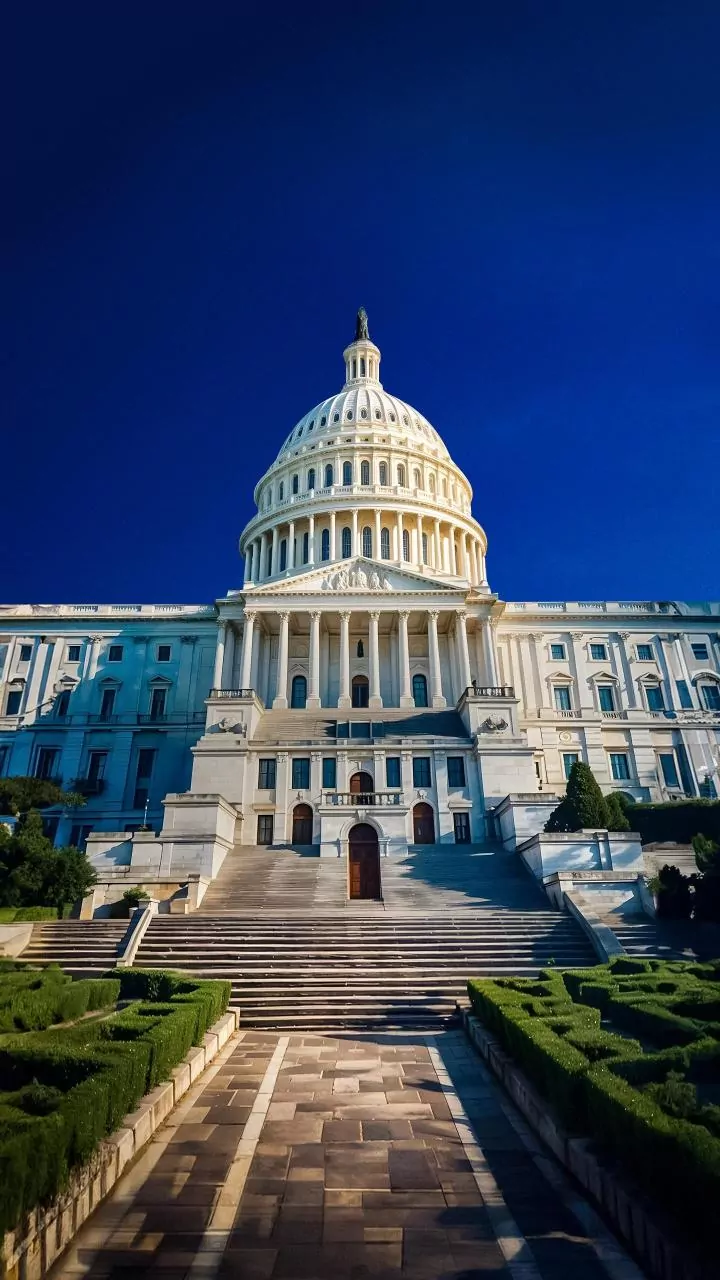

The 2026 midterm elections have reset the political landscape, putting the constitutional tug-of-war over foreign policy between the President and Congress back in the spotlight. This dynamic is never simple, but it is fundamental to how America engages
with the world.
The President's Foreign Policy Toolbox
The U.S. Constitution grants the president significant authority in foreign affairs. As Commander-in-Chief of the armed forces, the president can deploy troops, though the power to formally declare war rests with Congress. The president also has the power to negotiate treaties with other countries, appoint ambassadors, and formally recognize foreign governments. Presidents often rely on these roles, plus broad 'executive power', to act decisively on the world stage. This includes using executive agreements, which are like treaties but do not require Senate approval, a tool used by presidents of both parties to implement foreign policy. The ability to respond quickly to international crises and control the flow of diplomatic information further solidifies the executive branch's leading role.
Congress's Constitutional Checks and Balances
While the president leads, Congress is far from a passive observer. Its powers are designed to act as a crucial check on executive action. The most significant of these is the 'power of the purse'. Congress controls all federal spending, meaning it can choose to fund or defund military operations, foreign aid, and diplomatic functions. For a treaty negotiated by the president to become law, it must be ratified by a two-thirds vote in the Senate. The Senate also holds confirmation power over presidential appointments, including ambassadors and the Secretary of State. Furthermore, Congress has the sole power to declare war and to regulate international commerce. Finally, its oversight authority allows it to hold hearings and conduct investigations into the executive branch's foreign policy conduct.
A Case Study: The Trump Administration
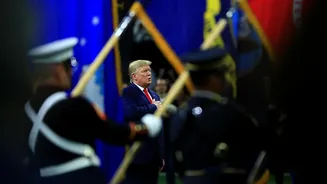
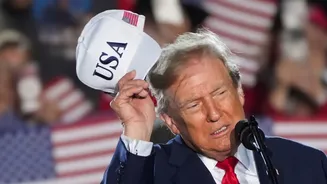
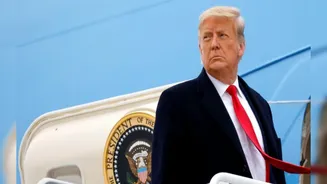
The presidency of Donald Trump provided a vivid illustration of how these powers can clash. His administration frequently tested the boundaries of presidential authority in foreign policy. For instance, he withdrew the U.S. from the Iran nuclear deal and the Paris Agreement on climate change—international agreements not ratified as treaties—without congressional consent. He also used his authority to impose tariffs on various countries, citing national security concerns, which sparked debates about whether he was overstepping the power granted to Congress to regulate commerce. These actions often led to conflict with Congress, which in turn used its oversight and legislative tools to push back, demonstrating the persistent tension built into the constitutional system.
How the 2026 Midterms Change the Game
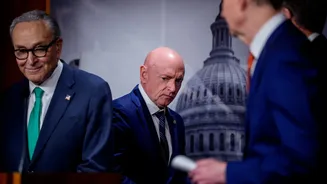
The results of the November 2026 midterm elections, which saw Democrats take control of both the House and Senate, are set to significantly alter this dynamic. With a new Democratic majority, Congress is expected to increase its scrutiny of the administration's foreign policy. This will likely manifest through more aggressive committee oversight, including hearings and investigations into ongoing military engagements and past decisions. The Democratic-led Congress will now control appropriations, giving them leverage to restrict funding for certain policies or redirect it toward their own priorities. Moreover, control of the Senate means Democrats will have the power to block or approve the president's nominations for key diplomatic and national security posts.
The Limits of a New Majority
Despite their new majorities, Democrats will face significant constraints. The president retains substantial unilateral power, particularly the ability to use executive orders and act as Commander-in-Chief. Perhaps most importantly, the president holds veto power over any legislation passed by Congress. Overriding a presidential veto requires a two-thirds supermajority in both chambers, a high bar that the current Democratic majority does not meet. This means that while Congress can apply pressure and create legislative roadblocks, it cannot easily reverse the president's core foreign policy direction on its own. The result is likely to be a period of increased gridlock and political friction, with the president potentially leaning even more heavily on foreign policy as an arena for unilateral action.