


From Nani's Kitchen to Urban Cafes
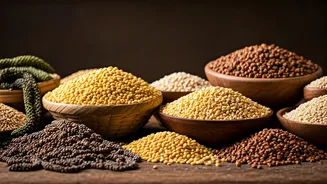
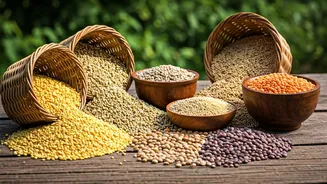
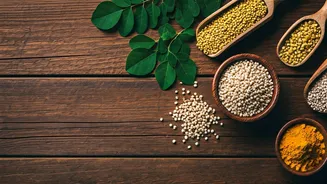
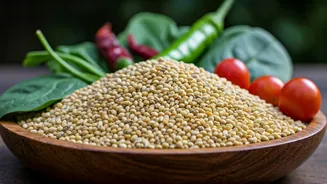
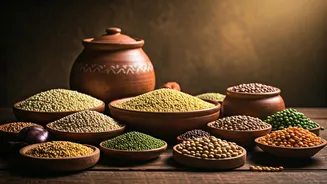
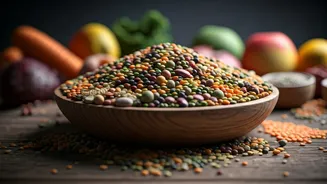
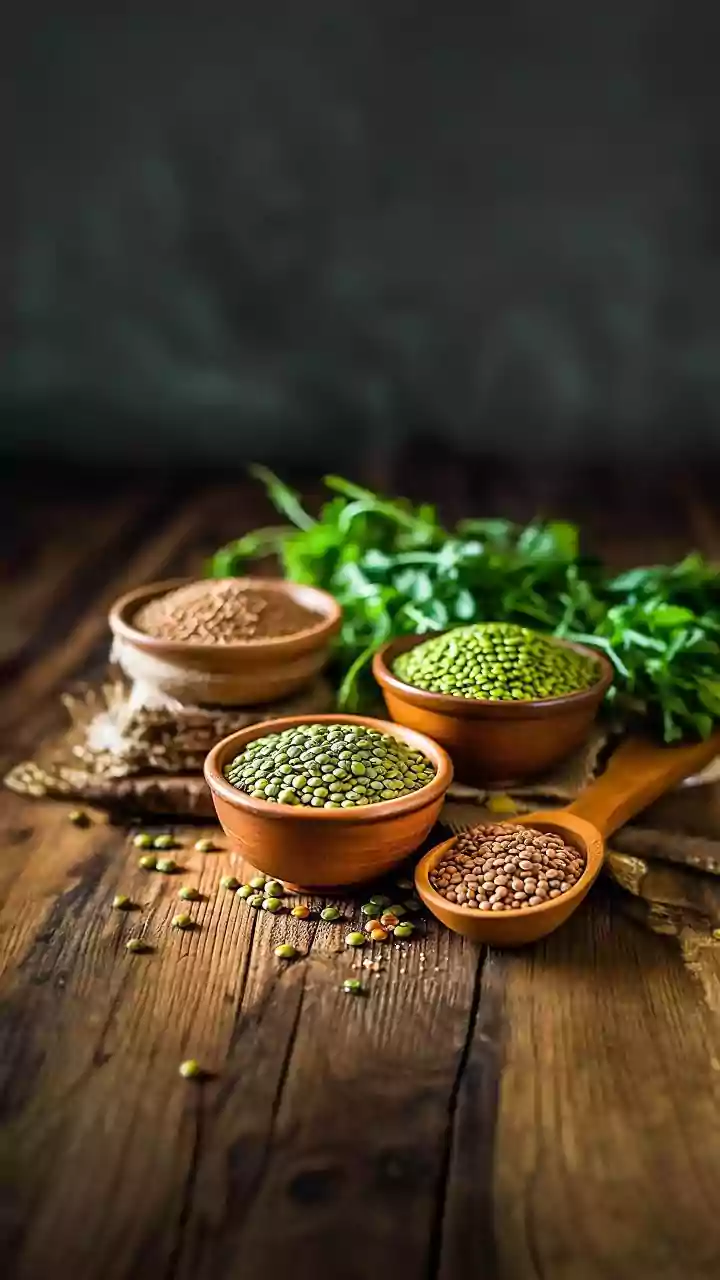
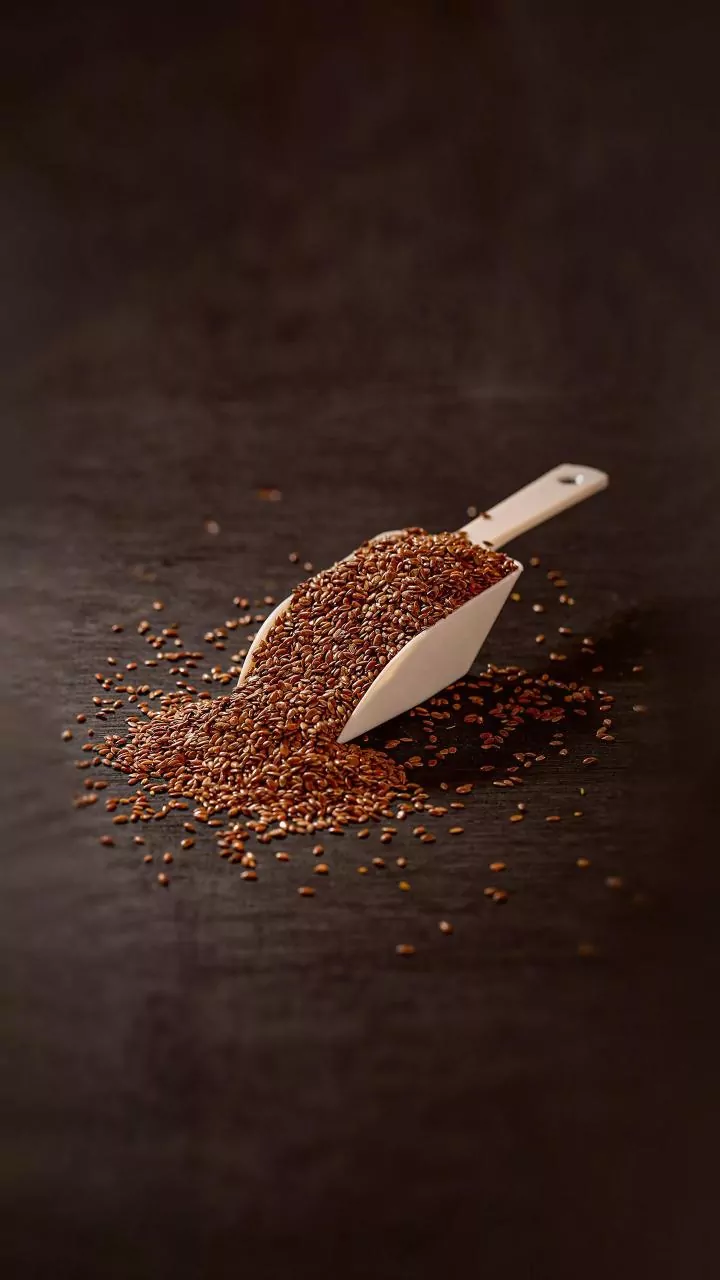
Not long ago, items like ragi (finger millet), jowar (sorghum), and bajra (pearl millet) were often dismissed as 'village food' or fare for the older generation. Today, they are the stars of a nutritional renaissance. These ancient grains, once staples
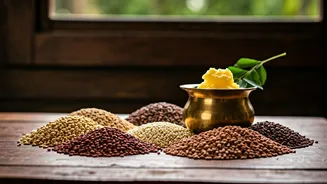
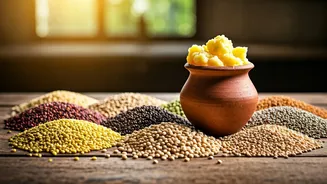
across the subcontinent, are now being reimagined by chefs and embraced by health-conscious urbanites. You'll find ragi pancakes, quinoa upma (though quinoa isn't Indian, it rode the same wave), and millet-based breads on menus that once prided themselves on sourdough and croissants. This movement extends beyond grains. Cold-pressed oils like coconut and groundnut are pushing refined vegetable oils aside, and pure, unadulterated ghee has shed its 'unhealthy' label to be crowned a superfood. It’s a powerful shift, moving traditional ingredients from the back of the family kitchen to the front and centre of modern Indian life.
A Prescription for Modern Ailments
This rediscovery isn't just driven by nostalgia; it's a direct response to a public health crisis. For decades, India has seen a sharp rise in lifestyle diseases like Type 2 diabetes, obesity, and cardiovascular problems. Many experts link this to the widespread adoption of diets high in refined carbohydrates, processed sugars, and unhealthy fats—the very things that replaced our traditional eating patterns. Ancient grains offer a powerful antidote. Millets, for example, are complex carbohydrates with a low glycemic index, meaning they release sugar into the bloodstream slowly, preventing the sharp spikes associated with white rice and refined flour (maida). They are also packed with fibre, vitamins, and minerals. This turn towards 'food as medicine' reflects a growing understanding that the answers to many of our modern health woes might lie in the wisdom of our ancestors.
The Climate-Smart Superfoods
The case for ancient grains becomes even stronger when you look at them through an environmental lens. The Green Revolution, while crucial for food security, heavily prioritized water-guzzling crops like rice and wheat. Millets, on the other hand, are what experts call 'climate-smart crops.' They are hardy, drought-resistant, and can grow in arid conditions with minimal inputs. A kilogram of rice can require up to 5,000 litres of water to grow, while millets need a fraction of that. In an era of climate change and increasing water scarcity, promoting these resilient grains is not just a health choice but a vital strategy for India's food and water security. The United Nations declaring 2023 the 'International Year of Millets,' a proposal spearheaded by India, has only amplified this message on a global stage, validating what our farmers have known for centuries.
Science Backs Centuries of Tradition
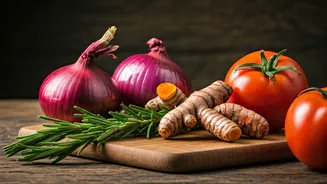
What makes this movement so powerful is that modern science is increasingly validating traditional knowledge. For years, ghee was vilified due to its saturated fat content. Now, studies highlight the benefits of its short-chain fatty acids, like butyrate, which is excellent for gut health. We're learning to distinguish between pure, homemade ghee and commercially produced, adulterated fats. Similarly, the benefits of turmeric (haldi) with black pepper, a classic combination in Indian cooking, are now understood through the lens of curcumin absorption and bioavailability. The same goes for fermentation—the idli, dosa, and dhokla our ancestors perfected are now celebrated globally as sources of probiotics. This scientific validation provides a new language to appreciate old practices, bridging the gap between grandmother’s wisdom and a nutritionist’s advice.