





What Does 'Natural' Even Mean?
First, let's tackle the word 'natural'. It's a term that can be misleading on food labels. When it comes to sweeteners, 'natural' usually means it's derived from a plant or another natural source. However, this doesn't mean they are unprocessed. Sweeteners
like stevia and monk fruit are extracted from plants, while others, like erythritol, are produced by fermenting natural sugars, often from corn. They are all highly processed to achieve the concentrated powders and liquids you buy. So, while their origin is natural, the journey from plant to packet involves significant manufacturing.
The Zero-Calorie Stars: Stevia and Monk Fruit
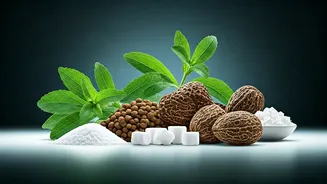
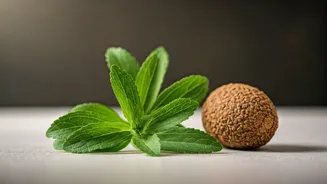
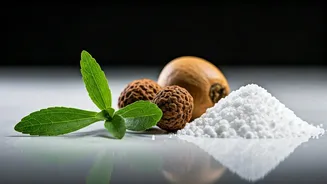
Stevia and monk fruit are the titans of the zero-calorie natural sweetener world. Stevia is extracted from the leaves of the Stevia rebaudiana plant, native to South America. Monk fruit, or luo han guo, comes from a small green gourd grown in Southeast Asia. Both are hundreds of times sweeter than sugar, so you need very little. Their main benefit is providing sweetness without calories or carbs, and they don't spike blood sugar levels, making them popular choices for people with diabetes. The downside? Taste can be a factor. Some people find stevia has a slightly bitter or licorice-like aftertaste, while monk fruit is generally considered to have a cleaner, more sugar-like flavour.
The Sugar Alcohols: Erythritol and Xylitol
Erythritol and xylitol belong to a category called sugar alcohols, or polyols. They are carbohydrates that are structured in a way that your body doesn't fully absorb. Erythritol is about 70% as sweet as sugar and has almost no calories, while xylitol is as sweet as sugar but with about 40% fewer calories. A major advantage is that they don't cause tooth decay; in fact, xylitol is often used in chewing gum for this reason. The main drawback is digestive distress. Because they aren't fully digested, consuming them in large quantities can lead to bloating, gas, and a laxative effect. It's best to start with small amounts to see how your body reacts.
The Newcomer: Allulose
Allulose is a 'rare sugar' found naturally in small amounts in foods like figs and raisins. It has the taste and texture of sugar but with about 90% fewer calories. A huge plus for bakers is that allulose can brown and caramelise, something most other sweeteners can't do. Like stevia and monk fruit, it doesn't raise blood sugar or insulin levels. While it's generally considered safe, consuming it in very large amounts can also lead to digestive issues for some people. As it is relatively new to the market, it tends to be more expensive than other sweeteners.
Are There Any Health Concerns?
While generally considered safe, some recent studies have raised questions. Research has suggested a potential link between high blood levels of erythritol and xylitol and an increased risk of blood clots, heart attacks, and strokes, though more research is needed to confirm a direct causal link. These findings are particularly concerning for individuals who already have risk factors for heart disease. For most sugar alcohols, the most common issue remains digestive discomfort when consumed in excess. As with any food, moderation is key.
So, Which One Should I Use?
The best natural sweetener for you depends on your personal health goals, taste preference, and how you plan to use it. For sweetening drinks like coffee or tea, the clean taste of monk fruit or a few drops of liquid stevia works well. For baking, a blend containing erythritol can provide the necessary bulk and texture that mimics sugar. Allulose is also a great, albeit pricier, option for baking due to its ability to caramelise. If you're sensitive to aftertastes, monk fruit is often the preferred choice. If you have digestive issues, you might want to be cautious with sugar alcohols like erythritol and introduce them slowly.