







Monsoon's Fury: A Current Affair
As of early July 2026, the monsoon is fully active across Himachal Pradesh. The India Meteorological Department (IMD) has issued multiple 'orange' and 'yellow' alerts for heavy to very heavy rainfall in several districts, including Shimla, Kangra, Mandi,
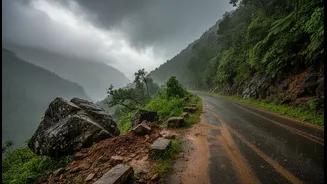
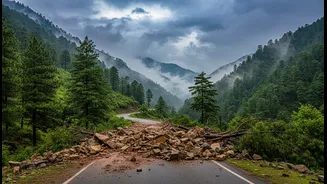
Sirmaur, and Kullu. These intense spells of rain have already triggered landslides and flash floods, leading to dozens of road closures across the state. Reports from the State Emergency Operation Centre (SEOC) confirm that numerous roads, including sections of vital National Highways, have been temporarily blocked by debris, disrupting traffic and affecting power and water supply in some areas. The situation is dynamic, with roads often clearing and then facing new blockades as rainfall continues.
Major Routes Prone to Disruption
While the entire state is susceptible, certain major arteries are particularly vulnerable during heavy rains. The Kalka-Shimla Highway (NH-5) often experiences bottlenecks and blockades due to landslides. Similarly, the Mandi-Kullu-Manali Highway (NH-3) is highly susceptible to flash floods from overflowing rivers and streams. The crucial Manali-Leh Highway, while a lifeline for commuters to Ladakh, faces challenges from aggressive water crossings caused by melting glaciers in the afternoon. Even in Kinnaur, the strategic NH-5 has seen closures due to flash floods and landslides near areas like Cholling. Authorities like the Border Roads Organisation (BRO) work continuously to restore connectivity, but travellers should anticipate potential delays on these key routes.
Your Official Information Toolkit
Relying on hearsay or outdated information can be dangerous. For the most accurate and timely updates, it's crucial to consult official sources. The Himachal Pradesh State Disaster Management Authority (HPSDMA) and the state police regularly disseminate information. Many district administrations, such as Lahaul and Spiti, maintain web pages with road status updates. Before and during your travel, check the social media handles of the Himachal Pradesh Police and the specific district police where you are heading. Local authorities and hotel staff can also provide valuable, on-the-ground information about local link roads. While community-driven platforms and travel forums can be helpful, always cross-verify information with an official source.
Smarter Travel: A Pre-Trip Checklist
A little preparation can make a huge difference. First, build buffer days into your itinerary. A journey that takes eight hours in dry conditions could take much longer during the monsoon. Second, avoid travelling at night when visibility is poor and the risk of encountering fresh landslides is higher. Start your day's journey early to avoid afternoon downpours and potential flash floods. It’s also wise to have a backup plan. If your primary destination becomes inaccessible, know what alternative routes or nearby towns you can divert to. Finally, inform your family or friends of your itinerary and check in regularly. Ensure your vehicle is in excellent condition, especially the brakes and tires, and keep a well-stocked emergency kit.
Navigating with Caution
Once on the road, remain vigilant. Be wary of parking your vehicle near steep slopes or large trees, which can become unstable in wet soil. Heed advisories from local police and administration, even if it means altering your plans. Don't attempt to cross streams or waterlogged roads if the flow seems strong, as conditions can change in an instant. While navigation apps like Google Maps are useful, they may not reflect real-time closures in remote areas, making local inquiries essential. The government has deployed thousands of workers and heavy machinery to keep roads open, but their first priority is safety, which should be yours as well.