







The Great Plant Milk Explosion
Walking down the dairy aisle today can feel overwhelming. The space once dominated by cow's milk is now a vibrant, crowded neighbourhood of plant-based alternatives. This boom is driven by a perfect storm of factors: rising rates of lactose intolerance,
growing ethical and environmental concerns about dairy farming, and a general shift toward healthier, plant-forward lifestyles. In India, the plant-based milk market is expanding rapidly, with soy and almond milk leading the charge but a growing curiosity for what's next. Consumers are no longer just looking for a dairy substitute; they are seeking beverages that align with their specific health goals and values.
Decoding 'Clean' Nutrition
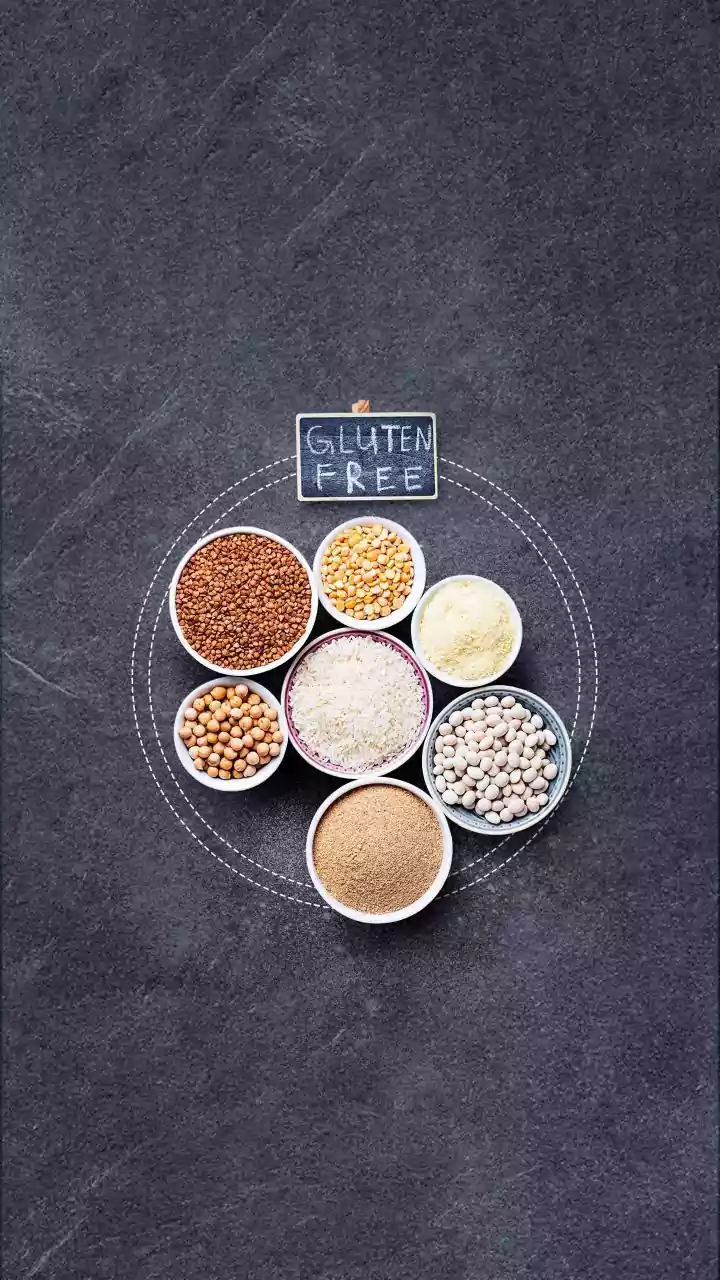
The term 'clean eating' has become a wellness buzzword, but it doesn't have a strict scientific definition. Generally, it refers to consuming foods that are as close to their natural state as possible—whole, minimally processed, and free from artificial additives, colours, and preservatives. In the context of plant milks, 'clean' often implies a simple ingredient list you can actually pronounce, being free from common allergens like nuts, soy, and gluten, and sometimes being organic. It's a move away from highly processed options towards foods that feel nourishing and straightforward.
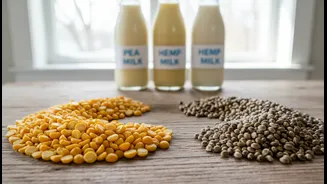
Pea Milk: The Protein Powerhouse
Don't worry, it doesn't taste like green peas. Pea milk is made from yellow split peas, and its biggest claim to fame is its impressive protein content. An average cup packs around 8 grams of protein, putting it on par with dairy and soy milk and far ahead of almond or oat milk. This makes it an excellent choice for those looking to build muscle or simply feel fuller for longer. Furthermore, it’s a hypoallergenic option, naturally free from dairy, soy, nuts, and gluten, making it accessible to almost everyone. Many brands are also fortified with calcium, vitamin D, and even iron, making the nutritional profile even more robust.
Hemp Milk: The Omega Champion
Made from the seeds of the Cannabis sativa plant, hemp milk will not get you high. What it will do is deliver a potent dose of healthy fats. It is one of the few plant-based sources that contains both omega-3 and omega-6 essential fatty acids, which are celebrated for supporting heart and brain health. While lower in protein than pea milk (around 3-4 grams per cup), it is considered a complete protein, meaning it contains all essential amino acids. Hemp milk is also a good source of minerals like magnesium and iron. Its creamy consistency and nutty, earthy flavour make it a delicious addition to smoothies, cereals, and coffee.
The Sustainability Factor
A key part of the 'clean' promise is a lighter environmental footprint. Here, both pea and hemp shine. Pea cultivation is particularly sustainable; peas are nitrogen-fixing crops, meaning they enrich the soil and reduce the need for artificial fertilisers. They also require significantly less water than almonds. One study found pea milk's total water footprint is 86% lower than cow's milk. Hemp is another eco-friendly champion. The plant is resilient, requires few pesticides, helps trap carbon from the atmosphere, and nearly every part of it can be used, minimising waste. While hemp requires more water than peas, it uses much less than almonds and dairy. Compared to the significant land, water, and energy use of dairy farming, both are far more sustainable choices.
Taste, Texture, and Use
For any milk alternative to stick, it has to perform well in the kitchen. Pea milk is known for its surprisingly neutral taste and creamy, smooth texture, which is often compared to 2% dairy milk. This makes it a versatile, all-purpose substitute for drinking, pouring over cereal, or using in cooking and baking. Hemp milk has a distinctly nuttier, earthier flavour and a creamy consistency. It works beautifully in smoothies, where its flavour can be a welcome addition, and is also great in coffee and tea for those who enjoy its unique taste. Ultimately, taste is subjective, but both options offer a satisfying richness that some other plant milks lack.