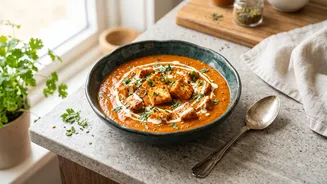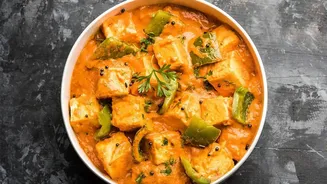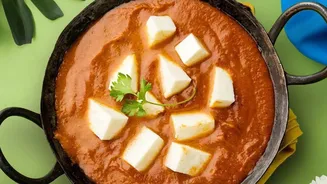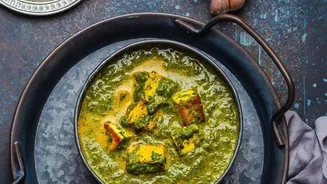


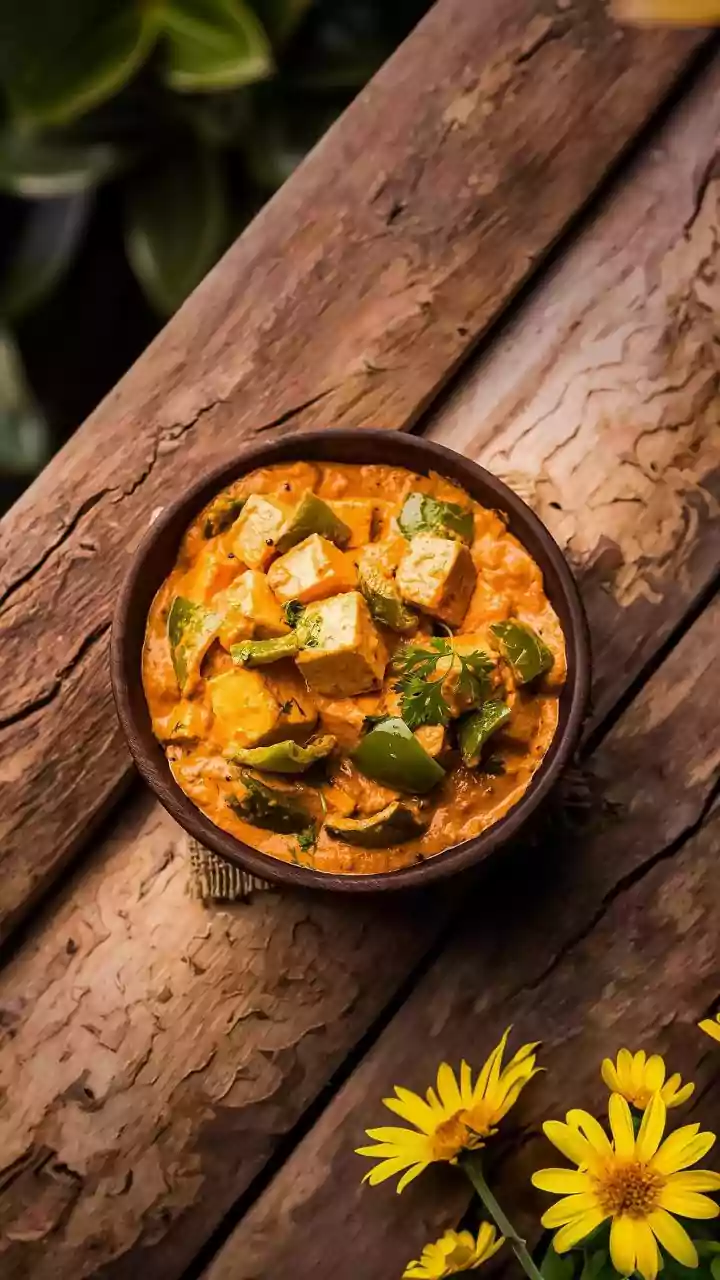
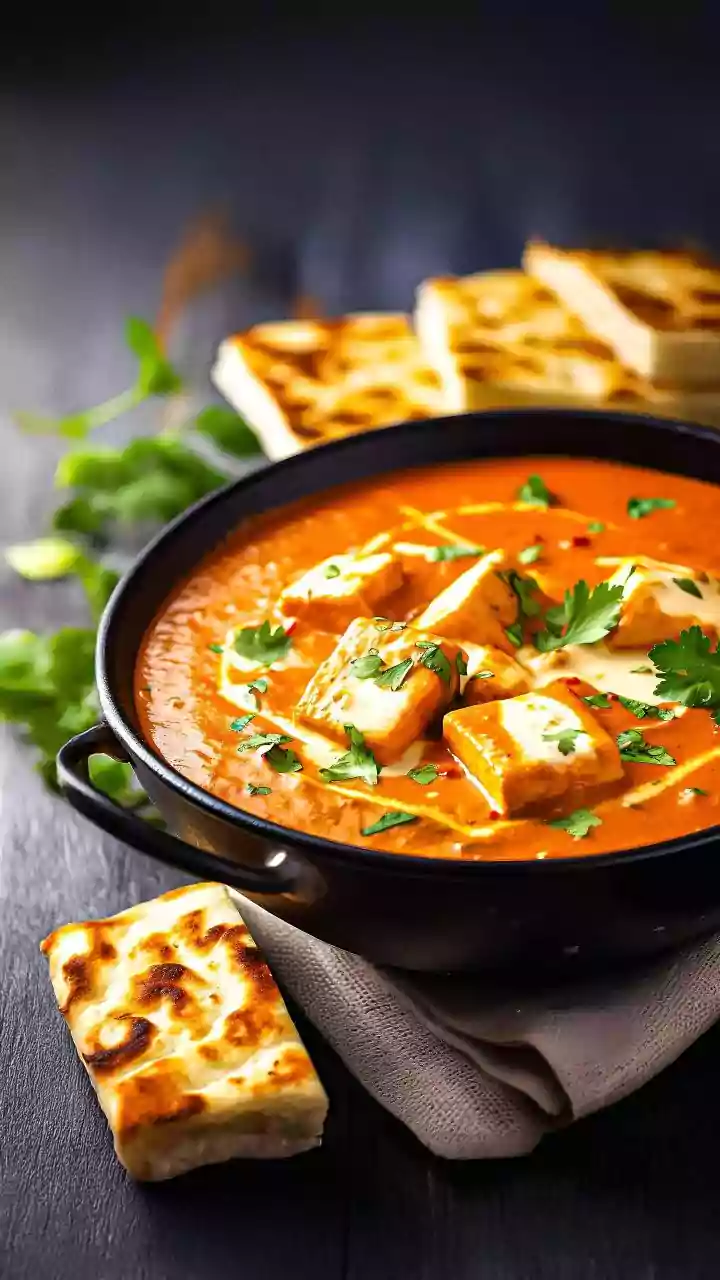
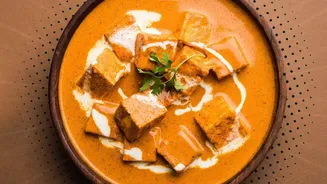
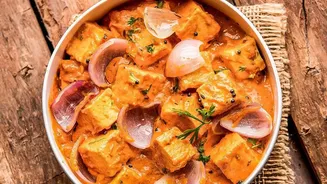
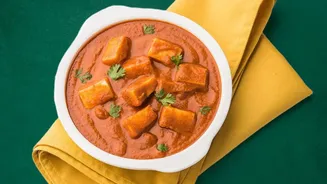
Every home cook who loves paneer has faced the same disappointment: you prepare a beautiful curry, but the paneer turns out dense and rubbery. This simple, game-changing technique is the secret to fixing that problem for good.
The Common Paneer Predicament
Paneer is the heart of countless
beloved Indian dishes, from rich curries to delightful appetisers. Yet, there is often a noticeable gap between the soft, melt-in-your-mouth paneer served in restaurants and the version we make at home. More often than not, home-cooked paneer, especially store-bought varieties, can end up firm, chewy, and disappointingly dense. It resists absorbing the flavours of the gravy, sitting in the dish as a rubbery cube rather than a succulent, flavourful bite. This textural problem is so common that many cooks assume it is an issue with the quality of the paneer itself. While paneer quality does play a role, the real culprit is often a simple lack of moisture.
The Science of a Soft Soak
Paneer is a fresh, unaged cheese made by curdling milk with an acid. This process causes the milk proteins, primarily casein, to clump together and form a tight, dense network. When paneer is refrigerated, this protein structure tightens even further, squeezing out moisture and resulting in a firm, sometimes rubbery block. This is particularly true for commercially produced paneer, which is often pressed firmly to ensure a long shelf life and stable shape. Soaking paneer in warm water reverses this process. The warm water gently rehydrates the cheese, allowing the tightened protein bonds to relax and loosen. Think of it like a dry sponge being brought back to life. This simple soak restores moisture, making the paneer noticeably softer, spongier, and more receptive to the spices and sauce it will be cooked in.
Your Step-by-Step Guide to Softer Paneer
This technique is incredibly simple and requires just a few minutes of your time before you start cooking. It will fundamentally change the texture of your final dish. 1. Cut the Paneer: Start by cutting your block of paneer into the desired shape and size, usually cubes or triangles. Cutting it first creates more surface area for the water to penetrate. 2. Prepare the Warm Water Bath: Heat a bowl of water until it is warm to the touch, but not boiling. Think of it as a comfortable bath temperature. Boiling water can be too harsh and may cause the paneer to break down. 3. Add a Pinch of Salt (Optional): Many chefs recommend adding a pinch of salt to the warm water. While salt typically draws moisture out, in this brief soak, it helps to season the paneer from within and can enhance its flavour.4. Soak for 15-20 Minutes: Submerge the paneer cubes in the warm, salted water and let them sit for about 15 to 20 minutes. You will notice the paneer becoming visibly softer.5. Drain and Use: After soaking, gently drain the water. You can lightly pat the cubes dry with a paper towel before adding them to your pan or gravy. This is especially important if you plan on frying the paneer to prevent oil from splattering.
Does This Work for All Types of Paneer?
This soaking method is most effective for store_bought, refrigerated paneer, which tends to be the firmest. For frozen paneer, soaking in warm water is a crucial step not just for softening but also for proper thawing. You should never defrost paneer in a microwave or at room temperature, as this can ruin its texture. If you are using very fresh, homemade paneer that is already soft and delicate, this step may not be necessary. However, even fresh paneer that has been refrigerated can benefit from a quick 10_minute soak to restore its 'just_made' tenderness.
Extra Tips for Perfect Paneer
While soaking is the most critical step, a few other habits can ensure your paneer is always perfect. Firstly, avoid overcooking. Paneer cooks very quickly, and prolonged exposure to high heat will make it tough. For curries, it is best to add the paneer towards the end of the cooking process, allowing it to simmer gently for just 5–7 minutes to absorb the flavours. If you are frying paneer, do so on a medium flame until it is just lightly golden. Over–frying is a guaranteed way to make it rubbery. For an extra layer of tenderness, you can also marinate the paneer in yogurt for about 30 minutes before cooking, which helps to keep it moist.