
When Good Growth Goes Bad
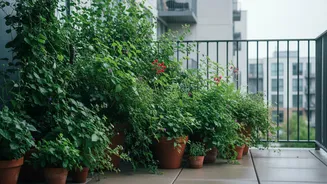
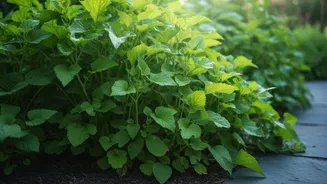
Plants are inherently competitive. They vie for sunlight, water, nutrients, and even physical space. When they are spaced too closely, this competition intensifies. A dense canopy of leaves might look lush, but it prevents sunlight from reaching lower
branches and blocks airflow. This lack of light triggers a survival mechanism called etiolation, where stems stretch desperately towards a light source, becoming long, weak, and pale. The plant essentially puts all its energy into gaining height at the expense of developing strong stems and healthy leaves. This struggle not only weakens the plant but also creates a humid, stagnant environment ideal for pests and fungal diseases like powdery mildew.
Reading the Signs of Struggle
How can you tell if your plants are in a silent struggle? The signs are often subtle at first. One of the most obvious is 'legginess,' where stems are unusually long and spindly with large gaps between leaves. This is a classic sign of etiolation, the plant's attempt to outgrow its neighbors to find light. You might also notice yellowing leaves, especially lower down on the plant, as the upper foliage hogs all the sunlight needed for photosynthesis. A lack of flowers or fruit on plants that should be productive is another red flag, as the plant is diverting its resources to survival and vertical growth. Furthermore, a perpetually damp environment under the leaves can lead to visible mould or mildew on stems and soil.
The Kindest Cut: Strategic Pruning
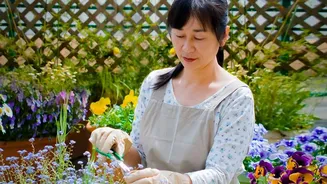
Pruning can feel counterintuitive—why cut back a plant you've worked so hard to grow? But it's one of the most effective ways to manage competition. By selectively removing branches, you open up the plant's structure, allowing light and air to penetrate deeper into the canopy. This not only helps prevent disease but also encourages stronger, more balanced growth instead of just upward stretching. Focus on thinning out crowded areas, removing branches that cross or rub against each other, and cutting out any dead or diseased wood. This type of maintenance ensures that the entire plant, not just the top layer, has access to the resources it needs to thrive.
Give Them Some Personal Space
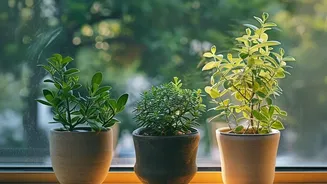
The easiest way to prevent competition is to plan for it from the start. Pay close attention to the spacing recommendations on seed packets and plant tags. These guidelines are based on the plant's mature size, ensuring it will have enough room above and below ground. If you've started seeds indoors or sown them directly into the garden, you'll likely need to thin them. This involves removing weaker seedlings to give the strongest ones room to grow without their roots getting entangled. To do this with minimal disruption, simply snip the unwanted seedlings at the soil line with a pair of clean scissors. This prevents you from disturbing the delicate roots of the seedlings you want to keep.
Why Airflow Is a Secret Weapon
Good air circulation is as vital as sunlight and water, though it's often overlooked. Moving air helps whisk away excess moisture from leaves, which is a primary defense against fungal diseases that thrive in damp, still conditions. It also helps strengthen plant stems. In nature, wind constantly challenges a plant, prompting it to grow thicker, sturdier stems to withstand the pressure. You can mimic this effect for indoor plants by using a small oscillating fan on a low setting for a portion of the day. For outdoor gardens, proper spacing and pruning are the best tools to ensure that fresh air can move freely between and through your plants, keeping them robust and resilient.