




More Than a Footprint: The Artemis Vision
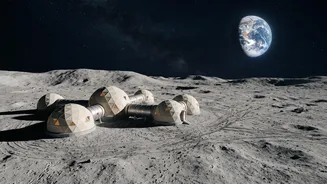
The invitation, extended during the U.S.-India Civil Space Joint Working Group meeting in Bengaluru, welcomes ISRO into NASA's ambitious moon base program. This isn't about short visits; it’s about creating a sustainable human presence on the Moon, specifically
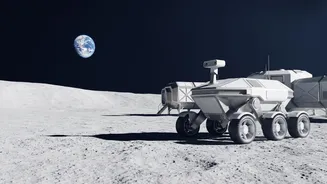
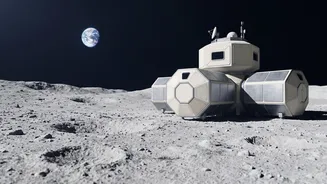
near the resource-rich south pole. Known as the Artemis Base Camp, the project is the cornerstone of the U.S.-led Artemis program, which aims to establish the rules and infrastructure for the next generation of space exploration. India signed the Artemis Accords in 2023, joining a coalition that has now grown to over 70 nations committed to cooperative and peaceful space activity. This base camp is envisioned as a lunar hub for science, resource utilization, and a stepping stone for future missions to Mars. By participating, ISRO moves from being a respected independent space agency to a critical partner in humanity's return to the Moon.
A New Geopolitical Orbit
This collaboration has profound geopolitical implications. In an era where space is increasingly seen as a domain for strategic competition, particularly with China's own lunar ambitions, the Artemis Accords represent a coalition of like-minded nations. By inviting India to the core of its lunar infrastructure project, the U.S. is cementing a key strategic partnership. For India, which has historically maintained a degree of autonomy in its space policy, this represents a significant alignment. It solidifies India's role as a major power in the Indo-Pacific and beyond, placing it at the table where the future norms of space governance will be decided. This move elevates the India-U.S. relationship, moving beyond transactional cooperation to a deep, integrated partnership in one of the 21st century's most critical arenas.
The Lunar Economy: India’s Next Frontier
The long-term vision for the Moon extends far beyond science and into economics. The concept of a 'lunar economy' — estimated to be worth billions — is rapidly taking shape. This includes mining for resources like water ice, which can be converted into rocket fuel, and rare elements like Helium-3. For India, participation in the moon base program is a gateway into this nascent economy. It provides an unparalleled opportunity for Indian private enterprise and startups, which have seen explosive growth in recent years. From building components for the base to developing robotics and software, Indian companies can become part of a global supply chain for cislunar activities. The Chandrayaan-3 mission's success already proved India's capability for cost-effective excellence, a highly attractive trait for international partners and a massive boost for investor confidence in India's burgeoning space-tech sector.
Beyond Rockets: A Boost for Indian Science
Joining the moon base program provides an invaluable technological and scientific stimulus for India. ISRO will gain access to cutting-edge NASA technologies, data, and decades of experience in human spaceflight. This knowledge transfer is crucial as India pursues its own ambitious goals under its 'Space Vision 2047,' which include deploying its own space station by 2035 and landing an Indian astronaut on the Moon by 2040. Collaboration on the Artemis Base Camp will directly support these goals, particularly in areas like life-support systems, robotics, and deep-space communication. Furthermore, it gives Indian scientists a platform to conduct unprecedented research on the lunar surface, building on the historic findings of the Chandrayaan missions and ensuring India remains a leader in lunar science.