





As seasons shift, so do your skin’s needs. That dreaded tightness, sudden dryness, or unexpected irritation is often a sign of a compromised skin barrier, your body’s first line of defence against the elements. Here's how to keep it strong.
Understand Your Skin's Shield
Before you
can protect it, you need to know what it is. Your skin barrier is the outermost layer of your skin, a complex shield of cells and lipids (like ceramides and fatty acids) that serves two crucial functions: it keeps moisture in and keeps harmful pollutants and bacteria out. When it's working well, your skin feels hydrated, smooth, and calm. But environmental shifts—like a drop in humidity, cold winds, indoor heating, or even intense summer sun—can weaken this barrier, leading to water loss and increased sensitivity. Signs of a compromised barrier include persistent dryness, flakiness, redness, and a stinging sensation when you apply products.
Switch to a Gentle Cleanser
The feeling of 'squeaky clean' skin is often a red flag. Harsh, foaming cleansers can strip your skin of its natural oils, disrupting the delicate lipid layer of your barrier. During seasonal transitions, when your skin is already vulnerable, it's wise to switch to a milder option. Look for cream, milk, or gel cleansers that are free from sulphates and fragrances. Using lukewarm water instead of hot water is another simple but effective hack, as high temperatures can further dehydrate the skin. In very humid seasons like the monsoon, a gentle cleanser helps manage excess oil without causing irritation, while in dry winters, a cream-based formula prevents stripping precious moisture.
Focus on Barrier-Repairing Ingredients
Your skincare products should actively support your barrier. Look for hero ingredients known for their restorative properties. Ceramides are lipids that are naturally part of your skin barrier, so applying them topically helps replenish what's been lost. Hyaluronic acid is a powerful humectant that draws moisture into the skin, keeping it plump and hydrated. Niacinamide (Vitamin B3) is another standout ingredient; it not only calms inflammation and redness but also encourages your skin to produce its own ceramides, strengthening the barrier from within. Other beneficial ingredients include squalane, glycerin, and panthenol.
Adjust Your Moisturiser Texture
Using the same heavy cream yearround is a common mistake. As the climate changes, so should the texture of your moisturiser. During hot, humid Indian summers or monsoons, a lightweight gel or waterbased lotion provides necessary hydration without clogging pores or feeling greasy. As the air becomes drier and colder in winter, your skin needs more protection against moisture loss. This is the time to bring out richer, thicker creams that create a more substantial seal over the skin. Applying your moisturiser to slightly damp skin helps lock in even more hydration.
Don't OverExfoliate
While exfoliation is great for removing dead skin cells and improving texture, overdoing it is one of the fastest ways to damage your skin barrier. When your skin is already stressed by weather changes, it's best to be cautious. Reduce the frequency of using strong exfoliants like glycolic acid or harsh physical scrubs. You might switch to a gentler polyhydroxy acid (PHA) or simply exfoliate less often—perhaps once a week instead of multiple times. If your skin feels particularly sensitive or irritated, it's okay to skip exfoliation entirely until it feels calm and recovered.
Never Skip Sunscreen
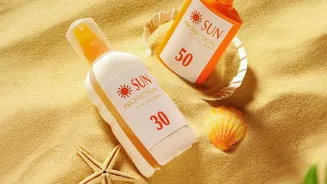
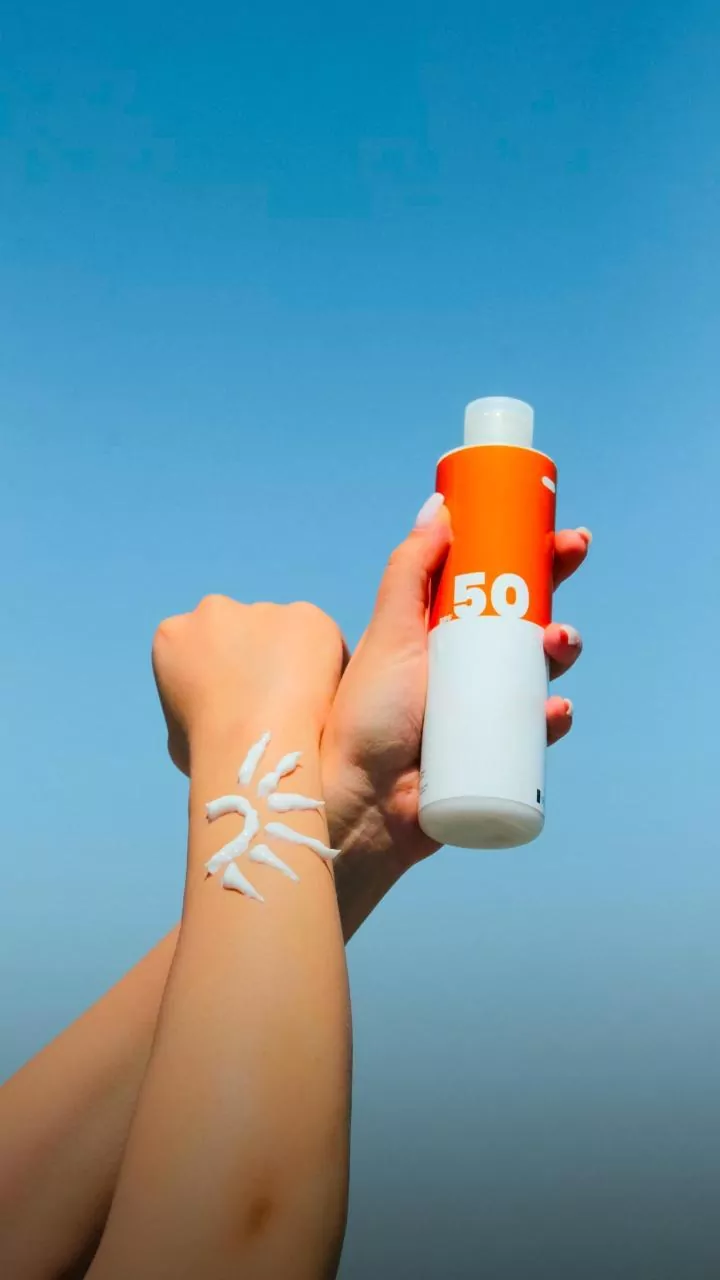
Sunscreen is not just for sunny summer days; it is a critical step for barrier protection all year. UV radiation is a major environmental stressor that damages the skin barrier, regardless of the season. Even on cloudy winter days or during the monsoon, UV rays can penetrate the clouds and cause harm. Forgetting to apply sunscreen can undermine all your other efforts to keep your skin healthy. In humid weather, opt for a lightweight gel or mattefinish sunscreen. For all seasons, a broadspectrum formula with at least SPF 30 is recommended for daily use to shield your skin and maintain its resilience.