





Why Fruit Peels in Winter?
Winter air has low humidity, which strips the skin of its natural moisture, leading to dryness, flakiness, and a lackluster appearance. Many people seek hydrating and brightening solutions during this time. Fruit peels, often discarded, are packed with
vitamins, antioxidants, and enzymes that can help address these common winter skin concerns. They offer a simple, affordable, and sustainable way to nourish your skin when it needs it most. From the vitamin C in orange peels to the gentle enzymes in papaya, these kitchen scraps can be repurposed into effective scrubs and masks.
The Brightening Power of Orange Peel
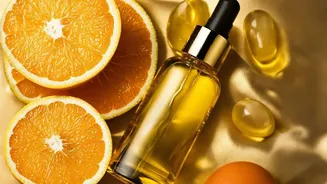
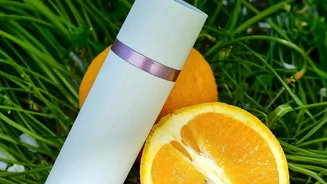
Orange peels are rich in Vitamin C and antioxidants, which are known to help brighten skin, reduce dark spots, and combat signs of ageing by fighting free radicals. The citric acid in the peel acts as a natural exfoliant, helping to remove dead skin cells and unclog pores. For a simple winter face pack, you can use dried and ground orange peel powder. Mix a teaspoon of this powder with yogurt or honey to form a smooth paste. Apply it to your face, let it sit for about 15 minutes, and then rinse off. This can help remove tan and give your skin a healthy, youthful radiance.
The Hydrating Touch of Banana Peel
Don't throw away that banana peel; it’s a powerhouse of nutrients that can benefit dry winter skin. Rich in potassium, Vitamin C, and antioxidants, banana peels can help hydrate and soften the skin. Some even use it to reduce puffiness under the eyes. For a quick treatment, you can gently rub the inner side of a fresh banana peel on your cleansed face in circular motions for a few minutes. Let the residue sit for 10-15 minutes before rinsing. For a more intensive mask, mash a ripe banana with its peel and mix with a teaspoon of honey and curd to create a nourishing paste. This helps moisturise dry patches and leaves your skin feeling supple.
The Anti-Ageing Elixir of Pomegranate Peel
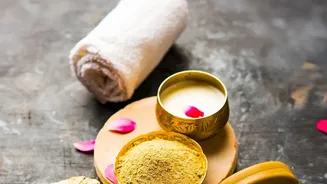
Pomegranate peels are loaded with antioxidants like ellagic acid and tannins that can protect the skin from environmental damage and support skin repair. These compounds help boost collagen production, which can improve skin elasticity and reduce the appearance of fine lines and wrinkles. Studies have also suggested pomegranate peel can help with hyperpigmentation. To use it, you can dry the peels and grind them into a fine powder. Mix this powder with gram flour (besan) or rose water to create a paste. Applying this as a face mask can help soothe inflammation and rejuvenate the skin for a firmer, brighter look.
Gentle Exfoliation with Papaya Peel
Papaya contains a powerful enzyme called papain, which acts as a natural and gentle exfoliant. Rubbing the inside of a papaya peel on your skin can help slough away dead skin cells without the harshness of abrasive scrubs, making it suitable for many skin types. This enzymatic action helps to unclog pores, even out skin tone, and reveal a smoother, more radiant complexion underneath. For a simple application, just rub the inner peel on your clean face for a few minutes, let the residue sit for about 10 minutes, and then rinse. It's a quick way to get a refreshed glow during the dull winter months.
A Word of Caution
While natural, fruit peels can still cause skin reactions. It is crucial to perform a patch test on a small area of your skin before applying any new mixture to your face. This is especially important for citrus peels like lemon, which are highly acidic and can cause irritation, redness, and increased sensitivity to the sun (photosensitivity). Always apply these treatments to clean skin, and never use a peel that looks spoiled or dirty. If you have sensitive skin or a pre-existing condition like eczema or rosacea, it's best to consult a dermatologist before trying these remedies.