

The Search for Natural Survivors
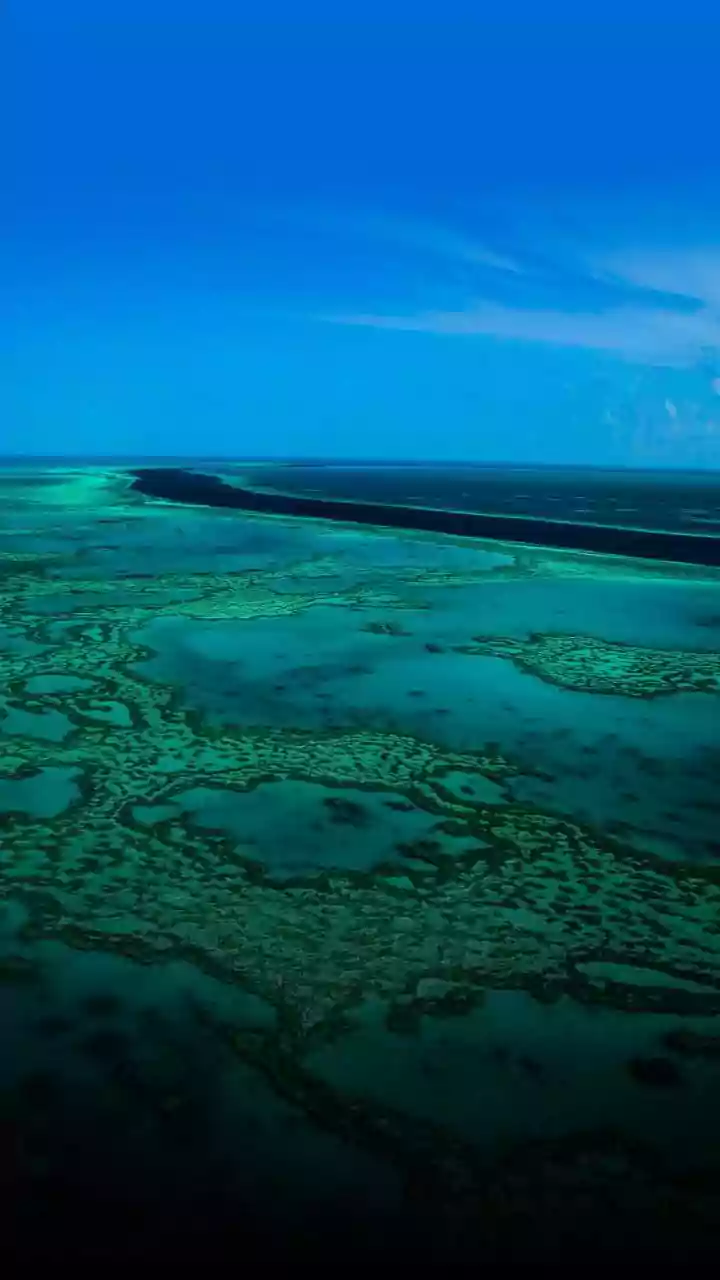
The first step in finding climate-resilient corals is to look for the natural winners. When a marine heatwave causes a mass bleaching event, not all corals die. Some individual colonies, or even entire reef sections, manage to survive and recover. Scientists
identify these oases of resilience, which serve as natural laboratories. By studying corals that have withstood extreme temperatures in the wild, researchers can pinpoint locations that may harbor genetically tougher populations. These sites, sometimes called 'super reefs', become primary targets for collection and further study. This approach combines cutting-edge predictive modeling with on-the-ground fieldwork to locate corals that have already proven their ability to endure environmental stress.
Stress-Testing in the Lab
Once promising coral candidates are identified, fragments are brought into controlled laboratory settings for 'stress-hardening'. In these labs, scientists can simulate future ocean conditions, exposing the corals to gradually increasing temperatures and acidity. This process is sometimes compared to an athlete training for a race; the managed stress helps to boost the coral's stamina against heat. Researchers carefully monitor how different corals respond, tracking bleaching progression and survival rates. The ones that maintain their colour and health under pressure are identified as thermally tolerant stock. These experiments have shown that even short-term conditioning can significantly improve a coral's ability to withstand a bleaching event, making them better prepared for life on a warming reef.
Unlocking the Genetic Code
The real key to understanding resilience lies within the coral's DNA. Recent advances in genomic sequencing allow scientists to compare the genetic makeup of heat-tolerant corals with their more sensitive counterparts. This research has revealed that there isn't one single 'super gene' for heat tolerance. Instead, it's a combination of many genetic variants that together give a coral its resilient edge. Some resilient corals exhibit a phenomenon called 'frontloading', where genes associated with stress response, like heat shock proteins and antioxidants, are already more highly expressed even in normal conditions. This allows them to mount a faster and more effective defence when a heatwave hits. Understanding these genetic markers helps scientists not only select the best corals for restoration but also explore concepts like assisted evolution and selective breeding.
Breeding the Next Generation
Armed with knowledge from the field and the lab, scientists are actively breeding more resilient corals. This process, known as assisted evolution, aims to accelerate natural adaptive processes. By cross-breeding corals that have shown natural heat tolerance, researchers can create offspring that may have enhanced survival traits. In some cases, this also involves manipulating the symbiotic algae that live within the coral tissues, as some algal strains are more heat-tolerant than others. These selectively bred 'coral babies' are then raised in land-based or ocean nurseries. The goal is to cultivate large stocks of diverse, stress-hardened corals that can be used to repopulate degraded reefs. Automation and AI are even being developed to help scale up this aquaculture process.
From Nursery to Degraded Reef
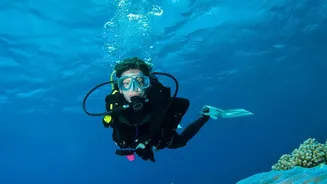
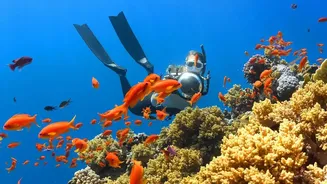
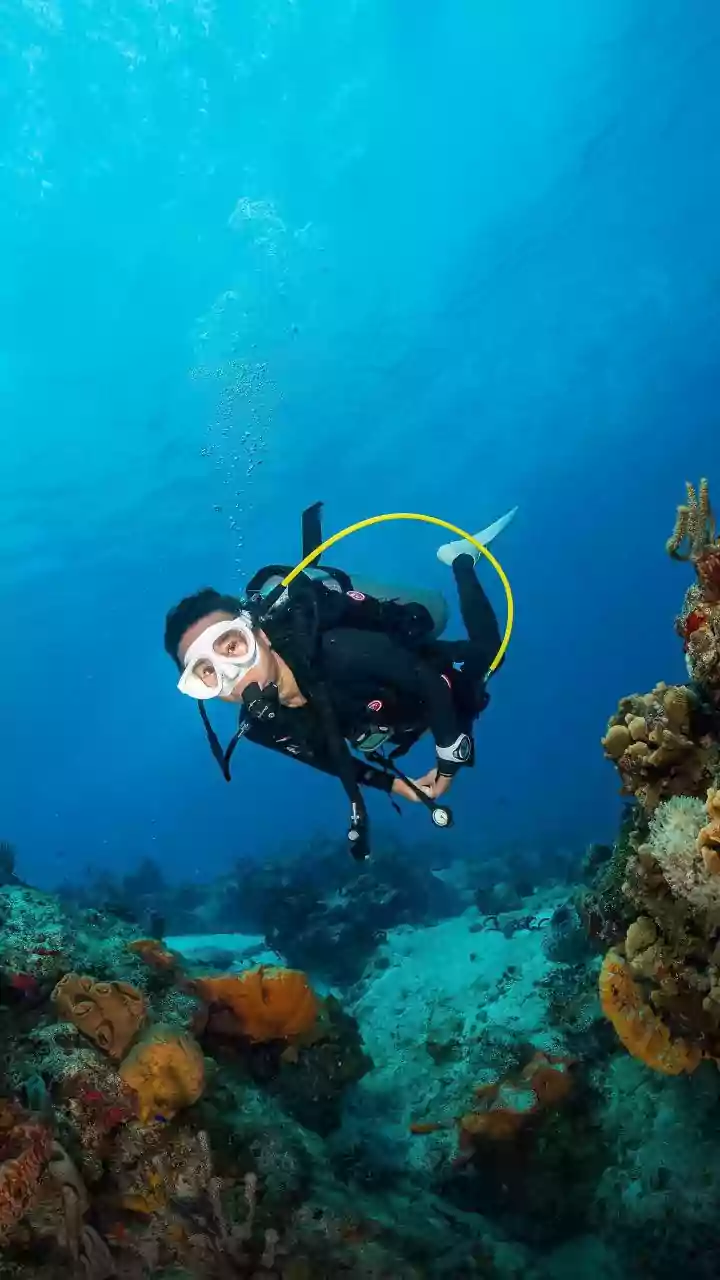
The final step is to return these climate-resilient corals to the ocean. This process, called outplanting, is the cornerstone of modern reef restoration. Teams of divers carefully transport the nursery-grown corals and attach them to degraded reef structures. By strategically planting a diverse array of resilient genotypes, restoration practitioners aim to build a reef community with a higher collective tolerance to future heatwaves. While the science is promising, researchers emphasize that this is not a magic bullet. The long-term success of these efforts depends on identifying suitable reef environments for outplanting and, most importantly, addressing the root cause of the problem: global climate change. Restoring with resilient corals is a critical intervention, buying precious time for reefs while the world works to stabilize the climate.