

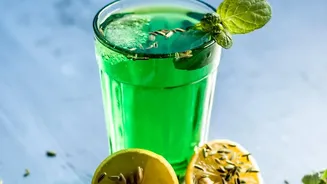
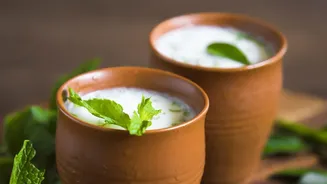
While global cola brands have long dominated the fizzy drinks market, a homegrown flavour is bubbling up to challenge the status quo. Enter cumin soda, the spicy, savoury, and uniquely Indian beverage that offers a refreshing alternative.
What Exactly Is Cumin Soda?
Cumin soda, popularly
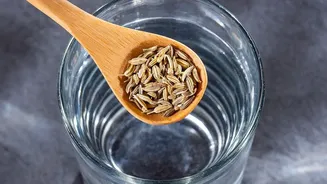
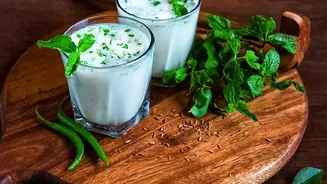
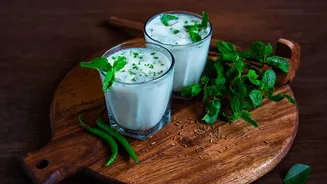
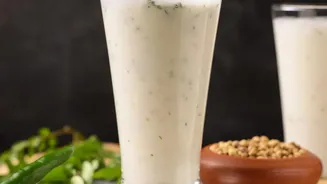
known as 'jeera soda' or 'jeera masala soda', is a carbonated beverage that stands in stark contrast to its sweeter cola counterparts. Its flavour profile is built around roasted cumin (jeera), which gives it an earthy and aromatic character. This is often blended with a mix of other Indian spices like black salt (kala namak), black pepper, and sometimes ginger or mint. The result is a drink that is simultaneously tangy, spicy, salty, and slightly sweet—a complex taste experience familiar to the Indian palate. Unlike the caramel-driven sweetness of conventional colas, jeera soda delivers a savoury kick that is both surprising and deeply refreshing.
From Street-Side Stalls to Supermarket Shelves
The concept of a jeera-based drink is not new to India. For generations, it has been a staple of street food culture, often prepared fresh by vendors as 'banta' or 'goli soda' and served as a digestive after a heavy or spicy meal. This humble street refresher, rooted in home remedies like jaljeera, has undergone a significant transformation. In recent years, a wave of local brands has successfully bottled this traditional flavour, moving it from roadside carts to the shelves of national supermarkets. Companies like Lahori Zeera, Bindu Jeera, and Paper Boat have been instrumental in this shift, packaging nostalgia and tradition into a convenient, ready-to-drink format. This has allowed the drink to reach a much wider audience, challenging the long-standing dominance of global beverage giants.
The Un-Cola: A Different Kind of Refreshment
The fundamental difference between cumin soda and conventional colas lies in the flavour philosophy. Colas are engineered for a universally sweet and satisfying taste, a formula that has achieved global success. Cumin soda, on the other hand, is unapologetically Indian. Its flavour profile is designed to appeal to a palate trained on layered spices and complexity, where sweetness is just one component of the taste experience. This makes it an excellent companion to Indian meals, as its savoury notes complement the rich and spicy flavours of the cuisine far better than a sugary soft drink might. For many, it's not just a beverage but a palate cleanser and a digestive aid, making it a functional choice as much as a refreshing one.
A Healthier Fizz? The Functional Appeal
A significant part of cumin soda's growing appeal lies in its perceived health benefits. Cumin itself has been a cornerstone of Ayurveda and home remedies for centuries, celebrated for its digestive properties. The spice is known to stimulate digestive enzymes, reduce bloating, and ease stomach discomfort. While a bottled, carbonated drink will contain sugar and should be consumed in moderation, many consumers view jeera soda as a 'better-for-you' option compared to conventional sodas, which are often criticised for being 'empty calories'. Responding to this, some brands have even launched low-sugar or zero-sugar versions to cater to the increasingly health-conscious Indian market.
A Resurgence of Local Tastes
The rise of cumin soda is part of a broader trend in India's beverage market: a renewed appreciation for local and regional flavours. Consumers are increasingly turning to drinks that feel authentic and connected to their cultural roots. This 'desi' beverage revolution has seen flavours like raw mango (aam panna), kokum, and tamarind gain national popularity. Local brands are successfully tapping into this sentiment, building a narrative around Indian identity and taste. The success of companies like Lahori Zeera, which began as a kitchen experiment and grew into a multi-million dollar business, shows a clear market desire for alternatives that taste like home.