



The Short-Lived Sparkle of Plastic
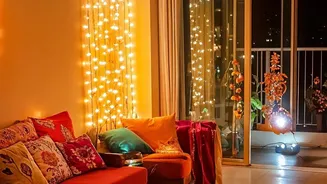
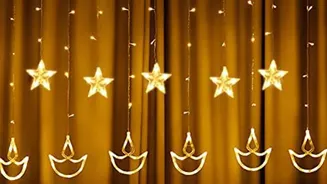
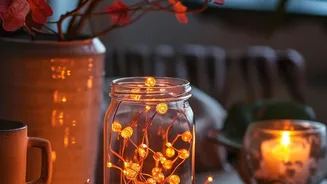
The allure of plastic fairy lights is understandable. They are inexpensive, available in countless designs, and offer a quick way to decorate. However, this convenience comes at a significant environmental cost. Often made from low-grade plastic and fragile
wiring, these lights are prone to breaking after just one season of use. This creates a cycle of buying, using, and discarding, contributing directly to the growing problem of electronic waste. Cities often report sharp spikes in waste generation during festival weeks, with a significant portion being non-biodegradable decorative items. These discarded lights, which contain plastic, copper, and sometimes glass, cannot be thrown into regular recycling bins and require special handling as e-waste, a step that is often overlooked. The result is a growing mountain of festive trash that ends up in landfills, where it can take centuries to decompose.
Brass Diyas: An Investment in Elegance
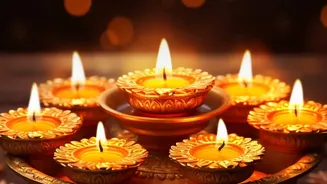
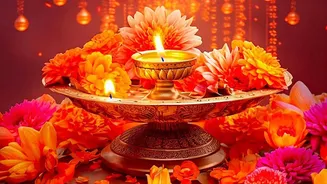
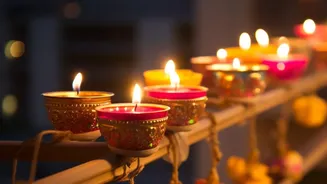
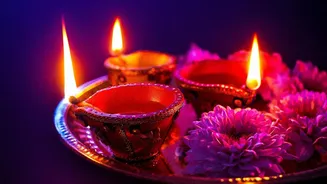
In contrast, brass diyas represent a one-time investment in beauty and durability. Made from an alloy of copper and zinc, brass is a sturdy, long-lasting metal that can withstand the heat of a flame without cracking or degrading. Unlike single-use decorations, a set of brass diyas can be passed down through generations, becoming a cherished part of family traditions. Their classic, warm golden shine adds a touch of sophistication and festive grandeur that mass-produced plastic simply cannot replicate. Available in a vast array of intricate designs, from simple, elegant lamps to ornate, multi-wick creations, brass diyas offer a timeless aesthetic that enhances any decor.
A Clear Win for the Planet
From an environmental perspective, the choice is clear. Plastic lights contribute to landfill waste and the consumption of fossil fuels in their production. Brass, on the other hand, is a more sustainable option. It is a highly durable material, reducing the need for yearly replacements. Furthermore, brass is fully recyclable. This means that even at the end of its very long life, a brass diya can be melted down and repurposed, minimizing its environmental footprint. By choosing brass, consumers are actively moving away from a disposable culture and embracing a circular economy, where products are designed to last and be reused.
Reconnecting with Tradition and Positive Energy
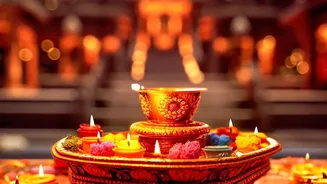
Beyond the practical benefits, lighting a traditional diya holds deep cultural and spiritual significance in India. The flame of a diya symbolises the victory of light over darkness, knowledge over ignorance, and good over evil. Brass, in particular, is considered a sacred and purifying metal in many traditions. It is believed to attract and radiate positive energy, enhancing the spiritual atmosphere of a home during prayers and festivals. Lighting a brass diya is more than just decoration; it's a ritual that connects us to our heritage and fills the home with a sense of peace and positivity, an experience that a string of electric lights cannot offer.
The Long-Term Financial Sense
While the initial purchase price of brass diyas is higher than that of cheap plastic lights, they are far more economical in the long run. Consider the cost of replacing plastic lights every one or two years versus a single purchase of brass diyas that can last a lifetime. This makes them not only an eco-conscious choice but also a financially savvy one. The durability of brass means you save money over time, breaking the expensive cycle of annual festive spending on disposable items.
Caring for Your Lasting Light
Maintaining the beautiful shine of brass is simple and can be done with common household ingredients. A paste made from lemon juice and baking soda or salt can be gently rubbed on the surface to remove tarnish. For tougher spots, a mixture of vinegar, salt, and flour also works wonders. After cleaning, rinse the item thoroughly and dry it with a soft cloth to prevent water spots. With just a few minutes of care, your brass diyas will retain their lustre and be ready to illuminate your celebrations for years to come.