








An Invisible Underground City
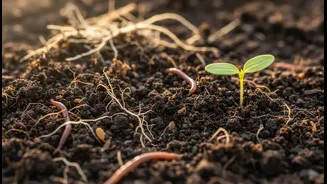
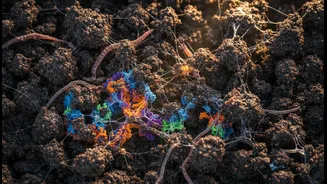
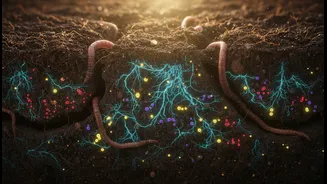
Beneath every field, forest, and garden lies a complex, living ecosystem known as the soil food web. It’s a subterranean city populated by billions of inhabitants, from microscopic bacteria and fungi to protozoa, nematodes, and earthworms. This community
of organisms is the engine that drives soil health. They are not just passive residents; they actively create the conditions for life. Plants, through photosynthesis, convert sunlight into energy, and they send a significant portion of these sugary energy packets down to their roots. These exudates are a deliberate offering, designed to attract and feed this microbial workforce. In return for this food, the soil organisms perform a suite of services that are essential for plant survival and, by extension, our own.
The Key Players and Their Jobs
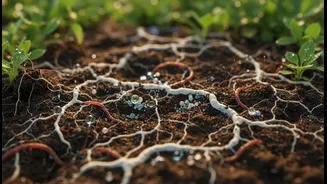
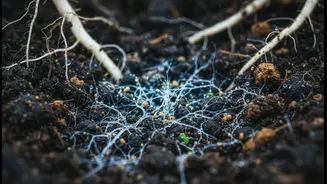
At the heart of this system are bacteria and fungi, the primary decomposers. Bacteria are the recyclers of simple compounds, while fungi, particularly mycorrhizal fungi, are the masters of breaking down tough, complex organic matter. These fungi form vast, thread-like networks (hyphae) that extend far beyond a plant's own roots, acting like a superhighway to transport water and nutrients like phosphorus back to the plant. In exchange, the plant provides them with carbon. This symbiotic relationship is a cornerstone of a healthy ecosystem. Moving up the food chain, protozoa and nematodes graze on the bacteria and fungi. Their feeding activity is crucial because it releases the nutrients stored in the microbes' bodies into a form that plants can easily absorb. Without these predators, many essential nutrients would remain locked away.
How Modern Farming Breaks the System
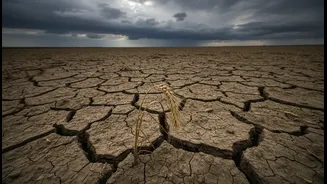
For much of the last century, conventional agricultural practices have inadvertently waged a war on this underground world. Heavy tilling, or ploughing, is like a recurring earthquake for the soil's inhabitants. It shatters the delicate fungal networks, exposes microbes to harsh sunlight, and releases vast amounts of stored carbon into the atmosphere as CO2. The overuse of synthetic chemical fertilizers disrupts the natural partnership between plants and microbes. When plants are force-fed soluble nutrients, they stop sending out the sugary signals to their microbial partners, effectively starving the soil food web. Fungicides and pesticides, even when targeted, can have broad, unintended consequences, killing off beneficial fungi and other vital members of the soil community.
The Path to Underground Restoration
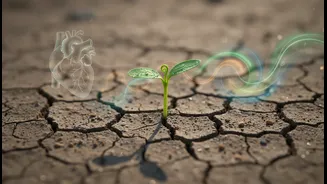
The good news is that we can rebuild this vital ecosystem. Regenerative agriculture provides a roadmap for restoring soil life. A key principle is to minimize soil disturbance through no-till or low-till farming, which keeps the underground city and its carbon stores intact. Planting cover crops like sunn hemp or legumes during the off-season ensures the ground is never left bare. These crops protect the soil from erosion, feed the microbial life with their living roots, and add organic matter when they decompose. Diversifying crop rotations breaks disease and pest cycles naturally, reducing the need for chemical interventions. Finally, reintroducing organic matter through compost, vermicompost, and animal manure provides the essential food and habitat that the soil food web needs to thrive.
Why It Matters for India
For India, where agriculture is the backbone of the economy and nearly 30% of land is facing degradation, restoring soil health is a national priority. Healthy, living soils act like a sponge, dramatically improving water retention. This makes farmland more resilient to both droughts and floods—a critical benefit in a changing climate. By restoring the natural nutrient cycle, farmers can reduce their dependence on expensive chemical fertilizers, improving profitability and ecological balance. Furthermore, healthy soils rich in organic carbon are one of our most powerful tools for climate change mitigation, pulling CO2 out of the atmosphere and storing it securely underground. Ultimately, healthier soils lead to more nutritious crops, tackling micronutrient deficiencies and contributing to the nation's food and nutritional security.