








More Than Just Monuments
For years, a career in heritage was often seen as a noble but impractical pursuit, reserved for a dedicated few. Today, that perception is rapidly changing. There's a growing recognition that India's vast cultural legacy—from ancient monuments to living
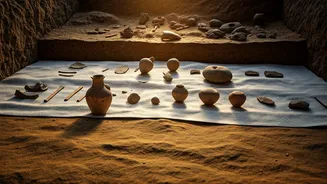
traditions—is not just something to be preserved, but a powerful engine for economic growth and soft power. This shift is fueled by what many call the 'experience economy,' where travellers and locals alike seek more meaningful and immersive connections to history and culture. This has led to a boom in heritage tourism, which in turn creates a wide array of job opportunities. The career scope for archaeologists, for example, is expanding beyond government digs to roles in museums, research bodies, and the tourism sector. This renewed interest is about turning a passion for the past into a purposeful, and increasingly lucrative, profession.
The New Digital Toolkit
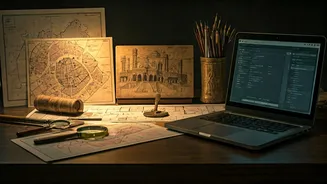
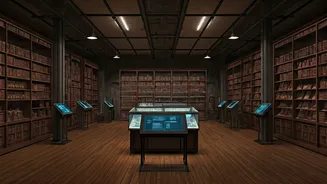
The modern heritage professional does more than just catalogue artifacts. They are digital storytellers, tech-savvy preservationists, and virtual experience creators. Technology has completely transformed the field, creating a host of new, tech-driven roles. Think of Digital Heritage Specialists who use 3D scanning to create virtual models of at-risk sites, or GIS experts who map cultural landscapes. Museums and cultural institutions are increasingly hiring professionals to manage digital archives, design interactive exhibits, and engage global audiences through social media and virtual tours. This fusion of history and technology is making heritage more accessible than ever and creating exciting career paths that blend skills in research, conservation, and digital media.
From Passion to Paycheque
The growing demand for skilled professionals means that heritage careers are becoming more financially viable. While salaries vary based on role, experience, and employer, there's a clear pathway for growth. Entry-level positions for a Cultural Heritage Officer might start around ₹3,00,000 to ₹5,00,000 per annum, with senior-level professionals earning upwards of ₹10,00,000 to ₹15,00,000. An archaeologist's salary can range from around ₹3-6 LPA at the entry-level to over ₹12 LPA for senior researchers. Key employers include government bodies like the Archaeological Survey of India (ASI) and the Ministry of Culture, along with state-level departments, museums, universities, and a growing number of private trusts and NGOs.
Building a Career in Culture
So, how does one step into this evolving field? A strong educational foundation is key. Degrees in History, Archaeology, Anthropology, or Art History are traditional starting points. For more specialised roles, a Master's degree in fields like Museology, Heritage Management, or Conservation is highly recommended. Universities across India now offer specialised courses that combine theoretical knowledge with practical skills. Beyond academics, professionals need a diverse skill set: strong research and communication skills, project management experience, and a familiarity with digital tools are often required. Whether working for the government to manage national treasures or for a private firm developing heritage tourism experiences, these roles are crucial for protecting India's legacy.
A Push from the Top
This career boom isn't happening in a vacuum. It's supported by a concerted push from both government and private sectors. Initiatives like the 'Adopt a Heritage' scheme encourage private companies and NGOs to partner with government bodies to develop and maintain heritage sites, creating jobs and improving visitor experiences. The government is actively looking for specialists to help shape cultural policy and manage projects aimed at promoting Indian arts and heritage on a global stage. These collaborations not only provide much-needed funding for conservation but also generate employment for local communities and a wide range of heritage professionals, from conservation architects to tour guides and marketing consultants.