






The Brain That Never Logs Off
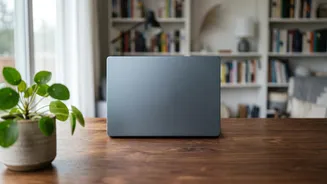
When your home doubles as your office, the physical cues that tell your brain it's time to rest can disappear. A laptop sitting on the living room table is more than an object; it's a powerful visual trigger. Even if it's closed, its presence serves as a constant
reminder of deadlines, emails, and unfinished tasks. This creates a state of low-grade, persistent stress, making it difficult to truly disconnect. Our brains are wired to associate spaces with activities. When the area designated for relaxation is also a workspace, the two contexts merge. This mental blurring prevents you from achieving deep relaxation, as a part of your mind remains in 'work mode,' always on standby. Psychologists note that without a clear physical separation, we struggle to mentally shift gears from our professional roles to our personal lives.
Losing the 'Psychological Commute'
The daily commute, once a common point of complaint, served a crucial psychological function. It created a buffer, a transitional period between the professional and personal spheres of life. This separation allowed for mental decompression. With remote work, that built-in boundary is gone, and many workers find themselves perpetually 'at the office.' To counteract this, experts suggest creating a 'shutdown ritual.' This doesn't have to be complicated. It can be as simple as closing your laptop, putting it in a bag, and storing it in a closet or a dedicated drawer at the end of the day. This small action mimics the finality of leaving an office. It sends a clear signal to your brain and to others in your household that the workday is officially over, allowing you to be more present in your personal life.
How 'Always On' Leads to Burnout
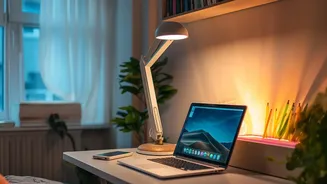
The temptation to check email 'just one more time' is significantly higher when your work device is within arm's reach during dinner or while watching a movie. This 'always on' culture is a fast track to burnout, a state of emotional and physical exhaustion caused by prolonged stress. When work is constantly accessible, it can lead to longer working hours, often without us even realizing it. Establishing a dedicated workspace, even if it's just a small corner in a room, is a critical step in preventing this. This physical boundary reinforces the temporal one. When you step away from that space, you are consciously stepping away from your work responsibilities. This separation is vital for maintaining not only your mental health but also your productivity in the long run, as constant work without adequate rest diminishes focus and performance.
Reclaiming Your Home as a Haven
Your home should be a sanctuary, a place of rest and rejuvenation. Allowing work to permeate every corner undermines this fundamental purpose. By making a conscious decision to put work tools away, you are actively reclaiming your personal space. Designate 'no-work zones,' such as the bedroom or the dining table, to protect these areas for their intended purpose: rest and connection. This isn't just about tidiness; it's an act of self-care. It ensures that when you are spending time with family, enjoying a hobby, or simply relaxing, you are fully present. The benefits ripple outwards, leading to better sleep, reduced anxiety, and stronger personal relationships. When your home feels like a true escape from work, your ability to recharge improves, making you more focused and effective when you do return to your tasks.