





Why August Humidity Affects Indian Skin
The monsoon season brings a spike in humidity, which dermatologists note can significantly alter skin behaviour. High moisture in the air slows down the evaporation of sweat. This traps oil and environmental pollutants on the skin's surface, creating
a perfect storm for clogged pores, blackheads, and both bacterial and fungal acne. While skin may feel oily on the surface, it can still be dehydrated underneath. This makes it crucial to adopt a routine that balances oil control with lightweight hydration, rather than stripping the skin of its natural moisture.
Your Morning (AM) Monsoon Shield
The goal for the morning is to cleanse away overnight buildup, protect from environmental damage, and control shine without heavy layers. Start with a gentle, non-stripping cleanser to remove excess oil without compromising your skin barrier. Follow up with a lightweight, hydrating toner containing ingredients like niacinamide to help regulate oil. A Vitamin C serum is an excellent next step; it provides antioxidant protection against pollution and can help with pigmentation concerns common in Indian skin. The most critical steps are a non-comedogenic, gel-based moisturiser and sunscreen. Even with oily skin, a moisturiser is non-negotiable to prevent dehydration, which can trigger even more oil production. Finally, apply a broad-spectrum sunscreen with at least SPF 30. UV rays penetrate clouds, so daily protection is essential to prevent tanning and long-term damage, even on overcast monsoon days.
Your Evening (PM) Reset Routine
The evening routine should focus on deep cleansing and repair. If you've worn sunscreen or makeup, start with a double cleanse. Use an oil-based cleanser first to break down products, followed by your regular gentle face wash. This ensures pores are thoroughly cleared of the day's grime. Two to three times a week, incorporate gentle chemical exfoliation with an ingredient like salicylic acid. This beta-hydroxy acid works inside the pores to dissolve sebum and dead skin cells, helping to prevent breakouts. Follow with a treatment serum containing niacinamide to strengthen the skin barrier and control oil. Finish with a lightweight, gel-based moisturiser to provide hydration while you sleep. Ingredients like hyaluronic acid, ceramides, and aloe vera are excellent for providing moisture without a greasy feel.
Weekly Care and Fungal Acne Prevention
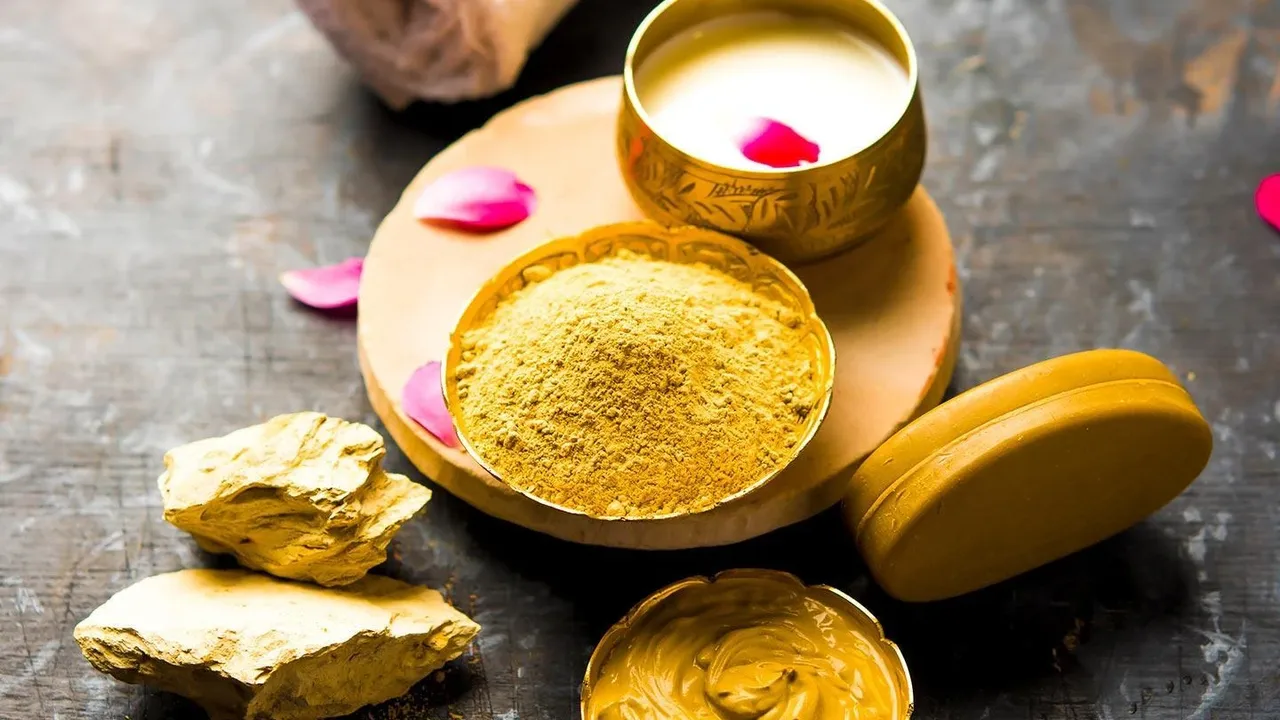
High humidity makes skin more susceptible to fungal infections, which often present as small, itchy, uniform bumps. To manage this, keep skin clean and dry, and change out of sweaty or damp clothes immediately. Consider using cleansers with anti-fungal properties or ingredients like salicylic acid if you are prone to such breakouts. A weekly clay mask can also be beneficial. Clay helps to draw out impurities, absorb excess oil, and detoxify the skin, leaving it feeling refreshed and less congested. However, avoid over-exfoliating or using harsh scrubs, as this can damage the skin barrier and worsen irritation.
Lifestyle Habits for Healthier Skin
What you do beyond your skincare routine matters. Staying hydrated by drinking enough water is fundamental for skin health. Pay attention to your diet by incorporating fruits and vegetables while reducing excessively oily and fried foods. Simple hygiene practices like regularly changing your pillowcases and towels can make a significant difference, as damp fabrics can harbor bacteria in humid weather. Also, try to avoid touching your face unnecessarily to prevent transferring dirt and bacteria to your skin.