





Anchor Your Zones With Area Rugs
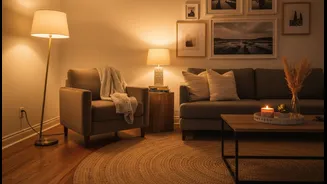
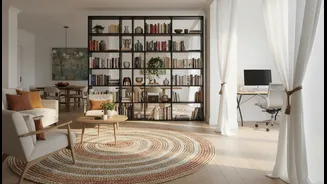
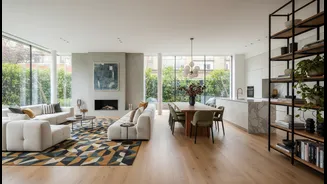
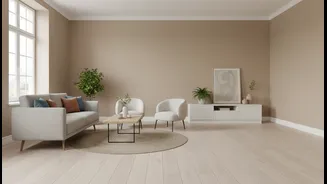
An area rug is perhaps the most effective tool for creating a room within a room. It acts as a visual anchor, drawing furniture together into a cohesive group and signalling where one functional space ends and another begins. In a living area, a large
rug can unify a sofa, armchairs, and coffee table, creating an island of comfort. The key is size: for a living zone, ensure at least the front legs of all seating are on the rug. In a dining area, the rug should be large enough so that chairs remain on it even when pulled out from the table. This simple addition defines the space, adds texture, and can even help absorb sound in large, echo-prone rooms.
Use Sofas to Carve Out Space
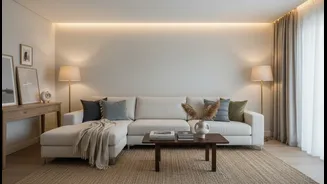
Your largest pieces of furniture have the power to direct flow and create strong boundaries. A sofa, especially a sectional, is a natural space divider. Instead of pushing it against a wall, try “floating” it in the room with its back facing another area, like a dining space or entryway. The solid back of the sofa acts as a soft wall, clearly delineating the lounge area without blocking light or sightlines. You can reinforce this boundary by placing a slim console table behind the sofa, topped with lamps or decorative items. This not only sharpens the divide but also provides extra surface and storage space.
Employ Shelving as Permeable Walls
For a more vertical division that doesn’t completely block light, open-backed bookcases are an ideal solution. These pieces act as see-through walls, creating a sense of separation while maintaining an airy feel. They are perfect for carving out a home office, a reading nook, or separating a living area from a bedroom in a studio apartment. The shelves offer valuable storage and a place to display plants, books, and art, adding personality while performing a practical function. Even low-profile bookcases can effectively create a boundary without overwhelming the space.
Think Beyond the Big Pieces
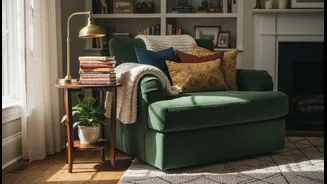
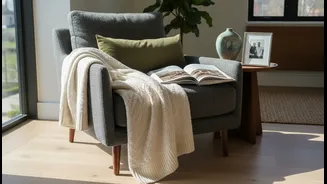
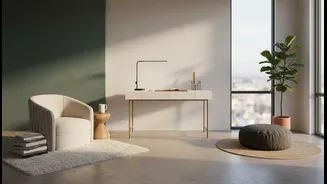
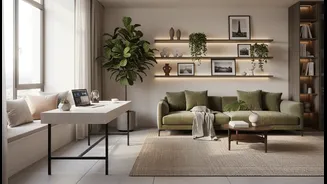
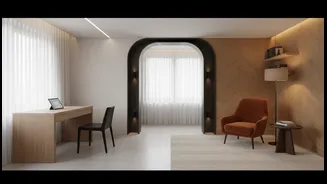
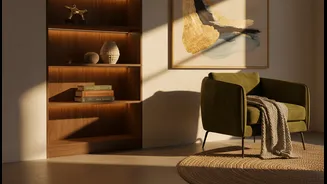
Smaller furniture and decor items can also play a crucial role in zoning. A well-placed armchair or a bench can mark the transition between two areas. Decorative folding screens are a flexible and artistic way to create temporary privacy or hide a cluttered corner. Even plants can act as dynamic, living dividers; a row of tall planters or a stand with cascading greenery can create a soft, natural barrier. Lighting is another powerful, subtle tool. Hanging a pendant light over a dining table or placing a floor lamp in a reading corner helps to define the “ceiling” of each zone, enhancing its distinct identity.