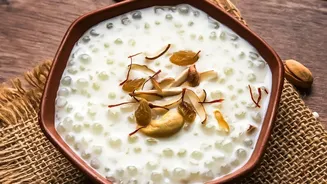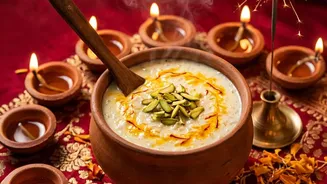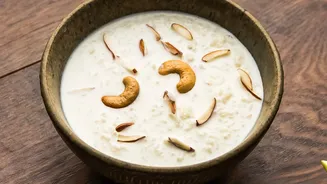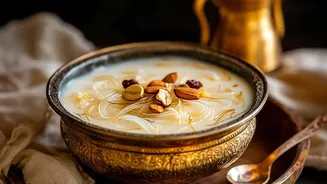


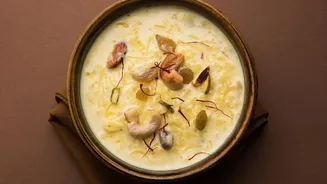
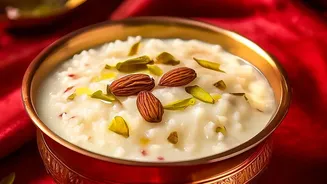
As winter arrives, our cravings turn to warm, comforting sweets. Long before refined sugar dominated kitchens, the natural sweetness of sugarcane juice was the star of many traditional Indian desserts, none more so than the rustic Ganne Ki Kheer.
A Taste of Winter Harvest
Ganne
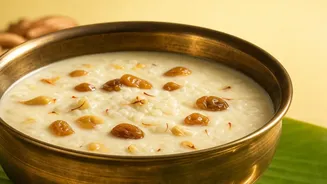
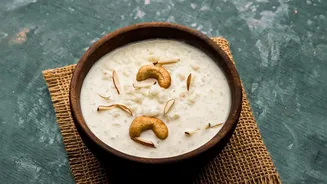
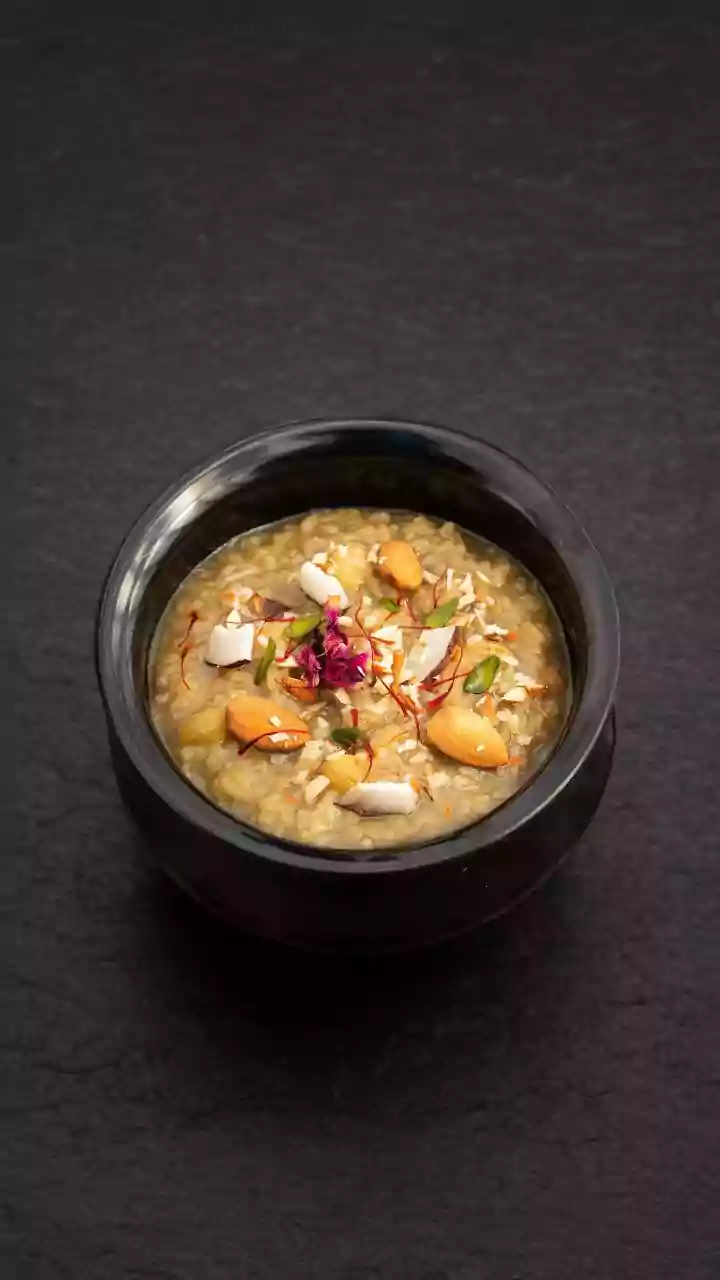
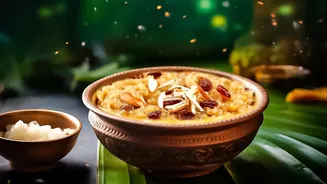
Ki Kheer, also known as 'Roh di Kheer' in Punjab or 'Ras ki Kheer', is a cherished pudding that celebrates the winter harvest season. This dessert is a beautiful example of traditional, climate-smart cooking, using freshly harvested sugarcane when its flavour is at its peak. Historically prepared across North India, particularly in Punjab, Bihar, and Uttar Pradesh, this kheer is deeply connected to winter festivals like Lohri and Makar Sankranti. It embodies a simpler time, when desserts were made from wholesome, seasonal ingredients. The slow-cooking process, often done on a gentle flame, allows the natural sugars in the cane juice to caramelize slightly, giving the kheer a distinct earthy flavour and a beautiful golden-brown hue that sets it apart from conventional milk-based kheers.
The Magic of Fresh Sugarcane Juice
The soul of this dessert is, without a doubt, fresh sugarcane juice. Using the juice instead of processed sugar imparts a complex, molasses-like sweetness that is both deep and refreshing. It's crucial to use pure, fresh juice without any additions like lime, ginger, or salt, which are often added by street vendors. When you begin to boil the juice, a layer of scum or impurities will rise to the surface. Skimming this off is an essential step to ensure the final kheer has a clean taste and a lighter colour. Some traditional recipes even call for adding a little milk to the boiling juice, which helps coagulate and remove these impurities more effectively. This process of clarifying the juice is what sets the stage for a rich and velvety pudding.
Ingredients You Will Need
This recipe relies on just a few humble ingredients to create something truly special. Here’s what you'll need:
Fresh Sugarcane Juice: 1 litre, strained through a fine sieve or muslin cloth.
Rice: ½ cup of a short-grain, aromatic variety like Gobindobhog or Basmati rice, soaked for at least 30 minutes.
Green Cardamom: 4-5 pods, crushed, or ½ teaspoon of powder for aroma.
Mixed Nuts & Raisins: A handful of almonds, cashews, and pistachios, chopped. Ghee for roasting is optional but recommended.
* Milk (Optional): A few tablespoons can be added towards the end for extra creaminess or used at the beginning to help clarify the juice.
Step-by-Step Preparation
1. Clarify the Juice: Pour the strained sugarcane juice into a heavy-bottomed pan. Bring it to a rolling boil over medium heat. As foam and scum rise to the top, carefully skim it off with a ladle or spoon. Repeat this for the first few minutes until the juice looks clearer.
2. Cook the Rice: Drain the soaked rice and add it to the boiling sugarcane juice. Stir well, then reduce the heat to low. Let it simmer gently, stirring every 10-15 minutes to prevent the rice from sticking to the bottom of the pan.
3. Slow Simmer to Perfection: Continue to cook for 45 minutes to an hour, or even longer depending on the flame. The kheer is ready when the rice grains are completely soft and have absorbed the flavours, and the juice has thickened to a rich, pudding-like consistency. The mixture will darken in colour as it cooks.
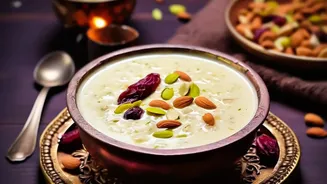
4. Add Flavour and Crunch: In a separate small pan, you can lightly roast your chopped nuts in a teaspoon of ghee until golden. About 10 minutes before the kheer is done, stir in the crushed cardamom and most of the roasted nuts and raisins, saving some for garnish.
5. Final Touches: Once the kheer reaches your desired consistency, turn off the heat. Remember that it will thicken further as it cools.
Serving and Storing Your Kheer
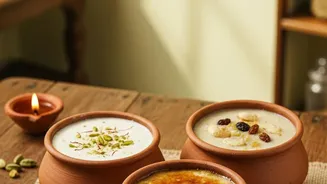
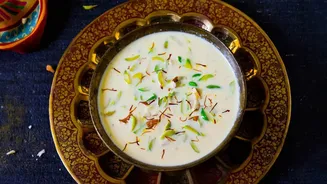
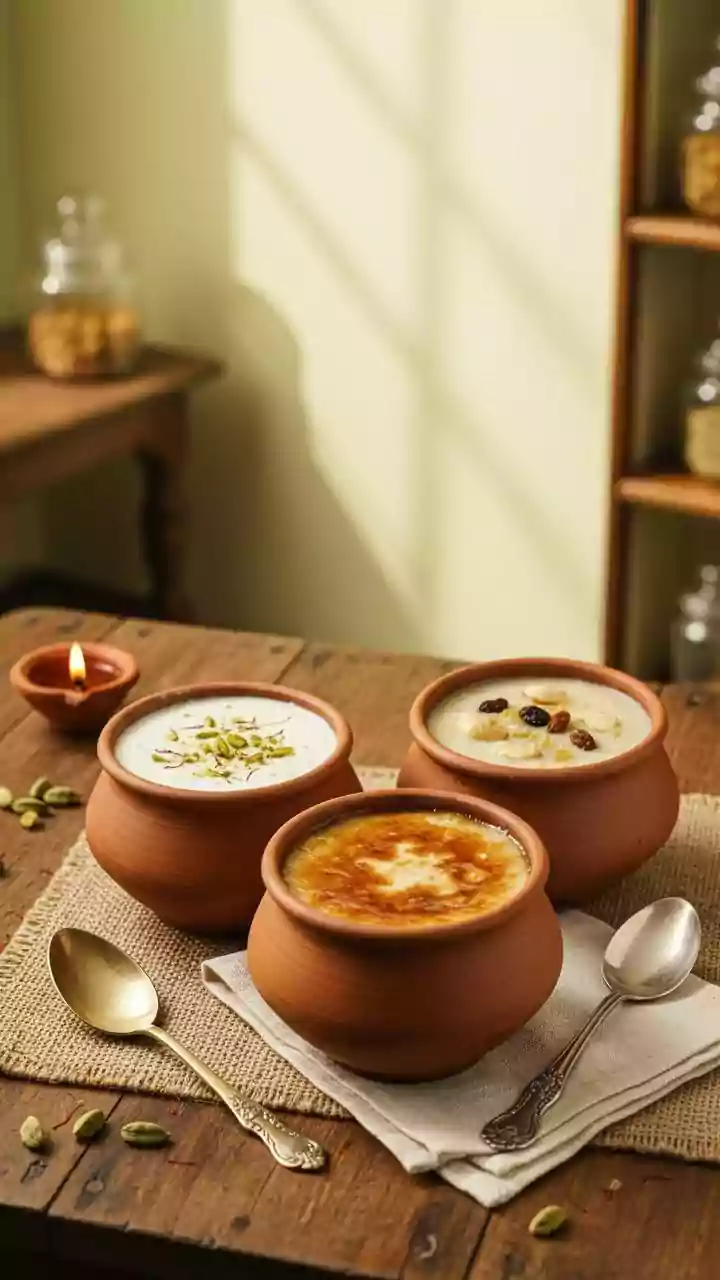
Ganne Ki Kheer can be enjoyed warm on a chilly evening or served chilled. In some Punjabi traditions, the kheer is cooked on the night of Lohri and eaten cold the next morning for breakfast, sometimes with a side of curd. This practice, known as 'Poh ridhi, Magh khadi,' signifies cooking on the last day of the month of Poh and eating it on the first day of Magh. Garnish with the remaining toasted nuts before serving. Stored in an airtight container, the kheer will stay fresh in the refrigerator for a couple of days. The flavours often meld and deepen overnight, making it even more delicious the next day.