






Our Favourite Meal's Fibre Gap
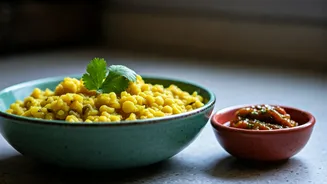
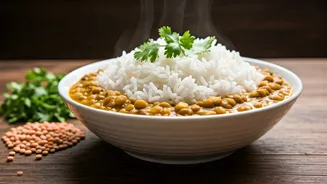
For generations, a plate of dal and rice has been a source of nourishment and comfort. Lentils (dal) are an excellent source of plant-based protein and some fibre, while rice provides the carbohydrates for energy. When combined, they create a complete
protein, providing all the essential amino acids your body needs. However, the total fibre content, especially when using polished white rice, can be lower than what is recommended for a healthy diet. Most adults should aim for 25 to 40 grams of fibre per day, but many urban diets fall short. This is where the right side dish, or 'sidekick', becomes more than just an addition for taste—it becomes essential for your health.
Why More Fibre Matters
Dietary fibre is a type of carbohydrate that the body cannot digest, but it plays a vital role in our wellbeing. A high-fibre diet is known to aid digestion and prevent constipation. It also helps you feel fuller for longer, which can assist with weight management. Furthermore, fibre is crucial for maintaining good heart health by helping to lower cholesterol levels and can help regulate blood sugar, which is particularly important in preventing conditions like type 2 diabetes. By not getting enough fibre, we miss out on these significant health benefits that keep our digestive system happy and our bodies functioning optimally.
1. The Crunchy Kachumber Salad
One of the simplest and quickest ways to add a fibre boost is with a classic kachumber salad. Finely chop cucumber, tomatoes, onions, and perhaps some carrots, then toss with a squeeze of lemon juice, a pinch of salt, and some fresh coriander. These raw vegetables are packed with insoluble fibre, which adds bulk and helps with regular bowel movements. The freshness of the salad provides a wonderful textural contrast to the soft dal and rice, making the entire meal more vibrant and nutritionally complete.
2. Sautéed Leafy Greens (Sabzi)
Never underestimate the power of leafy greens. A simple side of sautéed spinach (palak), fenugreek (methi), or amaranth leaves can significantly increase your fibre intake. Simply stir-fry the greens with a bit of garlic, cumin, and a pinch of turmeric. Leafy greens are not only high in fibre but also rich in essential vitamins and minerals like iron and vitamin C. A small bowl of a green sabzi next to your dal-rice is an easy and traditional way to round out your meal.
3. A Helping of Roasted Vegetables
If you have a little more time, roasting a medley of vegetables can transform your meal. Cauliflower, broccoli, sweet potatoes, and green beans are all fantastic sources of fibre. Toss them with your favourite spices—turmeric, coriander powder, and a little garam masala work well—and roast until tender and slightly caramelised. Roasted vegetables not only add fibre but also a deep, satisfying flavour that complements the earthiness of the dal. You can even roast a big batch to use for a few days.
4. Swap White Rice for Brown
Perhaps the most direct way to increase the fibre in your dal-rice is to change the rice itself. Brown rice is a whole grain, meaning it retains its outer bran layer, which is where most of the fibre is. White rice has this layer removed during processing. Switching to brown rice instantly boosts the meal's fibre content and also provides more minerals like magnesium. While it has a nuttier flavour and chewier texture, it can be a simple, permanent upgrade to your daily staple.
5. Add More Legumes
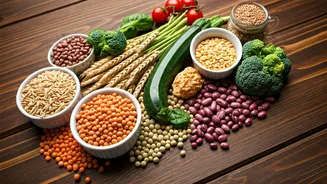
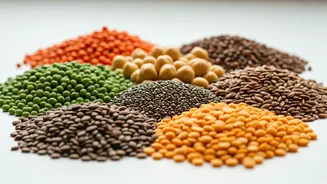
While dal itself is a legume, adding another in a different form can boost fibre and variety. A simple side of boiled chickpeas (chana) or kidney beans (rajma) tossed with spices works wonders. You could also prepare a 'sundal', a South Indian-style stir-fry of legumes with coconut and spices. Legumes are powerhouses of both soluble and insoluble fibre, which contribute to gut health, blood sugar control, and satiety.