







The Monsoon's Uneven Finale
This year's monsoon season is on track to be the driest in 17 years, with a nationwide rainfall deficit of around 15% as of mid-September. This shortfall is largely attributed to a strengthening El Niño phenomenon, which weakens monsoon winds. However,
the national average masks a story of stark regional contrasts. While Northwest India has received large excess rains in mid-September, regions in Central and South India are grappling with large deficits. This uneven distribution is critical because it's not just the total volume of rain that matters, but where and when it falls. For many farmers, the September showers are essential for the final growth stages of their Kharif (monsoon) crops.
A Mixed Bag for Kharif Crops
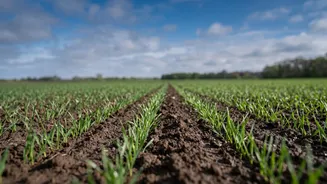
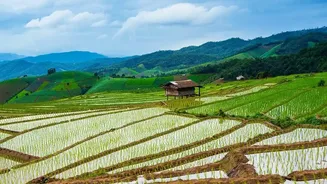
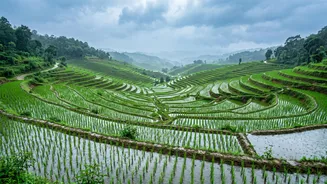
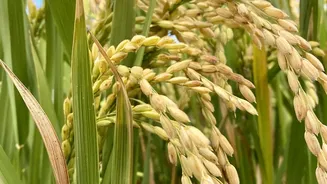
The erratic rainfall has created a mixed and concerning picture for India's summer crops. Overall Kharif sowing is slightly behind last year, but key staples are showing signs of stress. The acreage for paddy (rice), a water-intensive crop, has seen a significant decline of about 4%, with major rice-producing states like Karnataka, Telangana, and Uttar Pradesh reporting lower planting areas. This is a major concern for food security. The sowing of sugarcane, cotton, and some oilseeds is also trailing. In states like Andhra Pradesh, the deficit is severe, with a reported 54% rainfall shortfall leading to 'moisture stress' and wilting in crops like red gram and cotton across hundreds of thousands of hectares. On a brighter note, the planting of pulses and coarse cereals has seen a slight increase, offering a small buffer.
From Field Distress to Market Jitters
The journey from a rain-starved field to your local market is a direct one. Lower crop acreage and stressed plants inevitably lead to lower yields. This reduction in supply, especially for staples like rice and certain pulses, creates upward pressure on prices, first in the wholesale 'mandis' and then in retail stores. Economists warn that deficient rainfall can directly impact the productivity of rain-fed crops such as groundnut, soybean, maize, and tur (pigeon pea). The government has already taken preemptive measures like allowing duty-free sugar imports to bolster supplies, but the market remains on edge. The impact is not just about the harvest; poor rains also reduce soil moisture, which can jeopardize the upcoming Rabi (winter) sowing season.
What This Means for Your Kitchen Budget
For the average household, this meteorological story translates into tangible economic pressure. Food inflation has already been on an upward trend, hitting a high of 5.95% in August. The effects of a poor September rain will be felt in the coming months, coinciding with the festive season when demand is typically high. Economists project that retail inflation could cross the 6% mark in October and November, driven largely by rising food costs. While the prices of some items like vegetables can spike quickly due to supply disruptions, the impact on cereals and pulses takes a few months to filter through the supply chain. Rural households may feel the squeeze the most, as their food inflation rates have been rising faster than in urban areas. The consensus is clear: the final performance of this year's monsoon will be a key factor determining food price trends well into the new year.