


Why Autumn is the Perfect Season
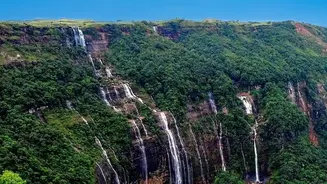
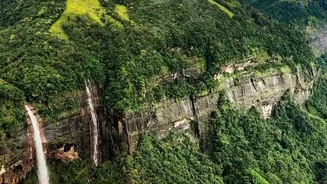
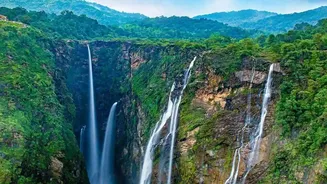
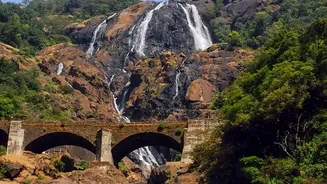
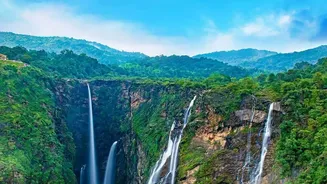
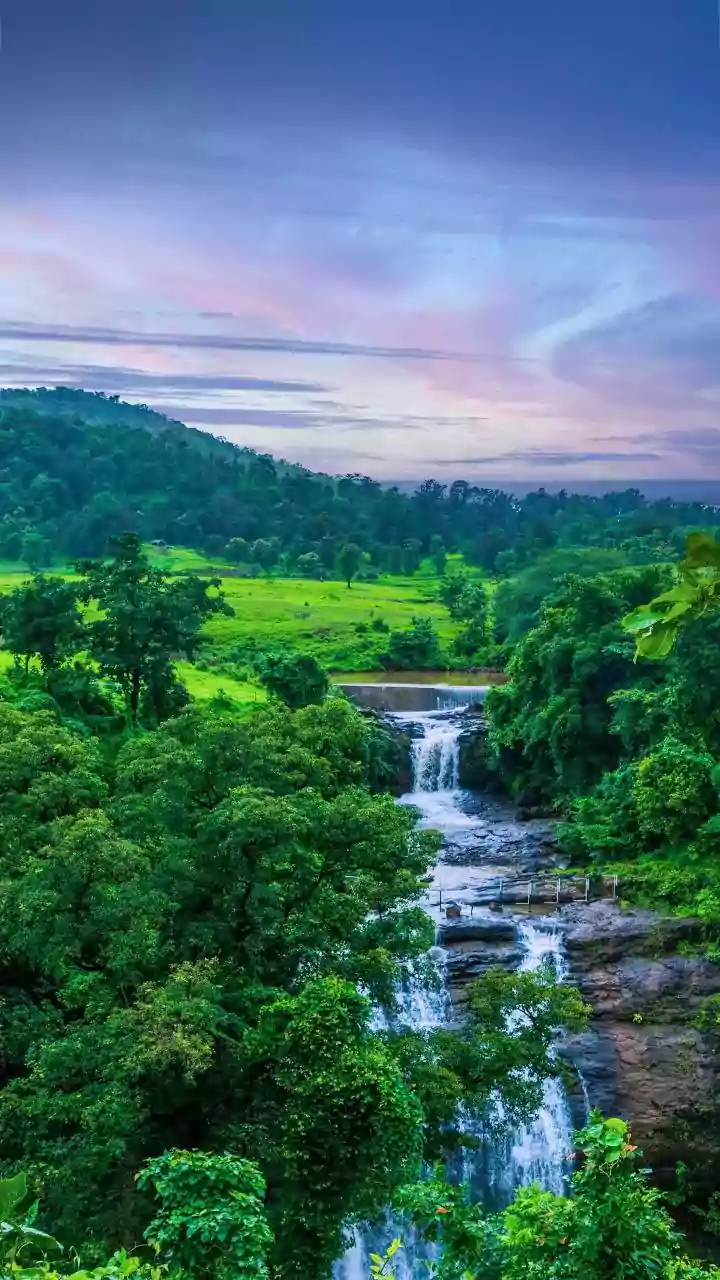
While Sohra (formerly Cherrapunji) is famous for being one of the wettest places on earth, the period from October to November offers a magical travel window. The heavy rains have subsided, leaving the landscape exceptionally lush and green. Waterfalls
are still majestic and full from the monsoon, but the skies are clearer and the weather is pleasantly cool, making it ideal for trekking and sightseeing. This post-monsoon season means safer, drier trails and better visibility to soak in the panoramic views of the Khasi hills and the plains of Bangladesh. Temperatures typically range from a comfortable 11°C to 23°C.
Your Gateway to the Clouds
Reaching Sohra is an adventure in itself. The most practical way to travel is to fly into Lokpriya Gopinath Bordoloi International Airport (GAU) in Guwahati, Assam, which is well-connected to major Indian cities. From Guwahati, Sohra is approximately a 150-kilometre drive, which takes about four to five hours. You can hire a private taxi or opt for a shared cab for the journey. The drive itself is incredibly scenic, taking you through the rolling hills and eventually up to the Shillong Plateau. A smaller airport exists at Umroi, near Shillong, but it has limited flight connectivity.
Chasing Sohra's Majestic Waterfalls
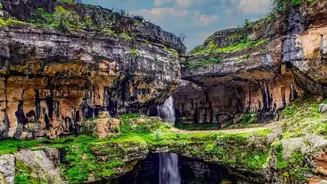
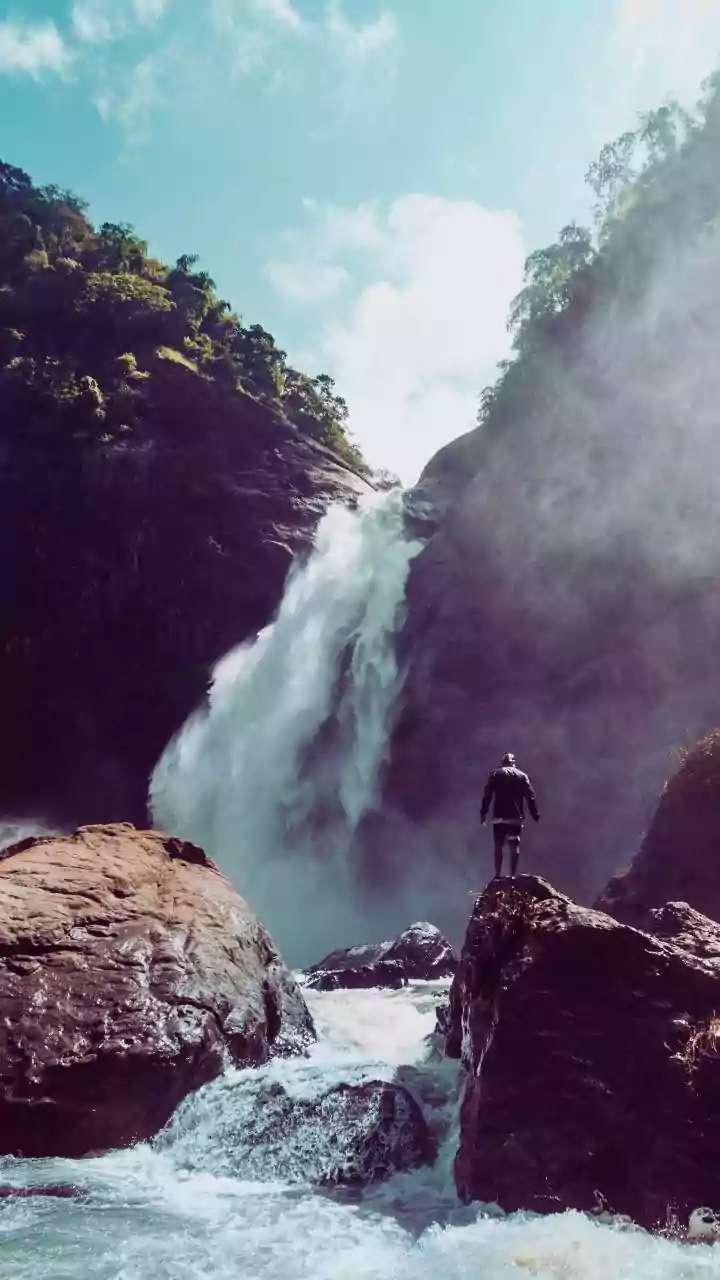
Autumn is prime time for waterfall viewing. Nohkalikai Falls, India's tallest plunge waterfall, is a spectacular sight, cascading into a deep turquoise pool below. During this season, the view is often free from the thick fog that can obscure it during the monsoon. Another must-see is the Nohsngithiang Falls, famously known as the Seven Sisters Falls, which is a seven-segmented waterfall that looks its best after the rains. For a more offbeat experience, visit Dainthlen Falls. Here, you can walk along the river bed right up to the point where the water plunges into the gorge, offering a unique and thrilling perspective.
The Unforgettable Trek to the Double Decker Bridge
No trip to Meghalaya is complete without witnessing the bio-engineering marvel of the living root bridges. The most famous of these, the Umshiang Double Decker Root Bridge, is located in Nongriat village. Getting there requires a challenging but rewarding trek that starts from Tyrna village. The journey involves descending approximately 3,500 steep steps, crossing wobbly suspension bridges, and walking through a dense, tropical forest. The round trip can take between four and six hours, so it's essential to be moderately fit. The sight of the two-tiered bridge, grown over centuries by the local Khasi tribe from the roots of rubber fig trees, is a truly humbling experience.
Offbeat Bridges and Hidden Gems
For those looking to escape the crowds at Nongriat, there are several other single-decker living root bridges to explore. The Riwai Root Bridge, located near the village of Mawlynnong, is much more accessible and doesn't require a strenuous trek. To truly go off the beaten path, consider seeking out lesser-known bridges like the Umkar Root Bridge, which offers a more secluded and tranquil experience. Autumn’s pleasant weather also makes it a great time to explore Sohra’s caves. The Arwah Cave is known for its impressive limestone formations and ancient marine fossils visible on its walls, providing a fascinating glimpse into the region's geological past.
Essential Travel and Packing Tips
When packing for your autumn trip, think in layers. While the days are pleasant, evenings and early mornings can be quite chilly, so a light jacket or fleece is necessary. Even though the monsoon is over, it's always wise to carry a poncho or umbrella for unexpected showers. Good-quality trekking shoes with a solid grip are non-negotiable, especially for the Nongriat trek. It is also advisable to carry a portable power bank, sufficient cash, and any essential medications, as amenities can be limited in more remote areas. Remember to respect the local Khasi culture and their sacred traditions.