
A Nationwide Health Awakening
The single biggest driver is a dramatic rise in health and wellness consciousness across the country. Spurred by the pandemic, which brought immunity to the forefront, consumers are no longer passive about their food choices. There is a growing understanding
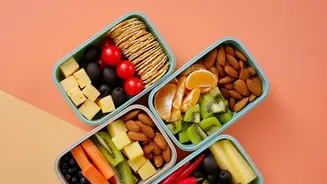
that diet is a powerful tool for preventive healthcare. Concerns about lifestyle diseases like diabetes and obesity have pushed people to actively seek out nutritious alternatives to traditional processed snacks that are often high in refined carbohydrates and unhealthy fats. This awareness has led to a re-evaluation of what a “snack” should be—moving from a simple hunger-buster to a functional food that contributes positively to one's health. The healthy snacks market in India is booming, expected to grow significantly in the coming years as this mindset takes deeper root.
The Protein Revolution
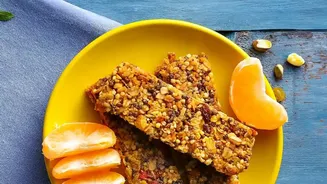
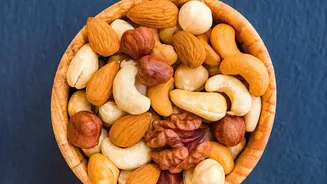
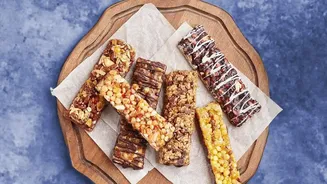
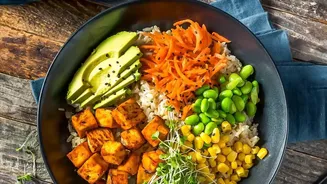
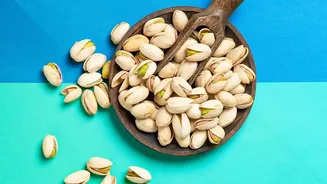
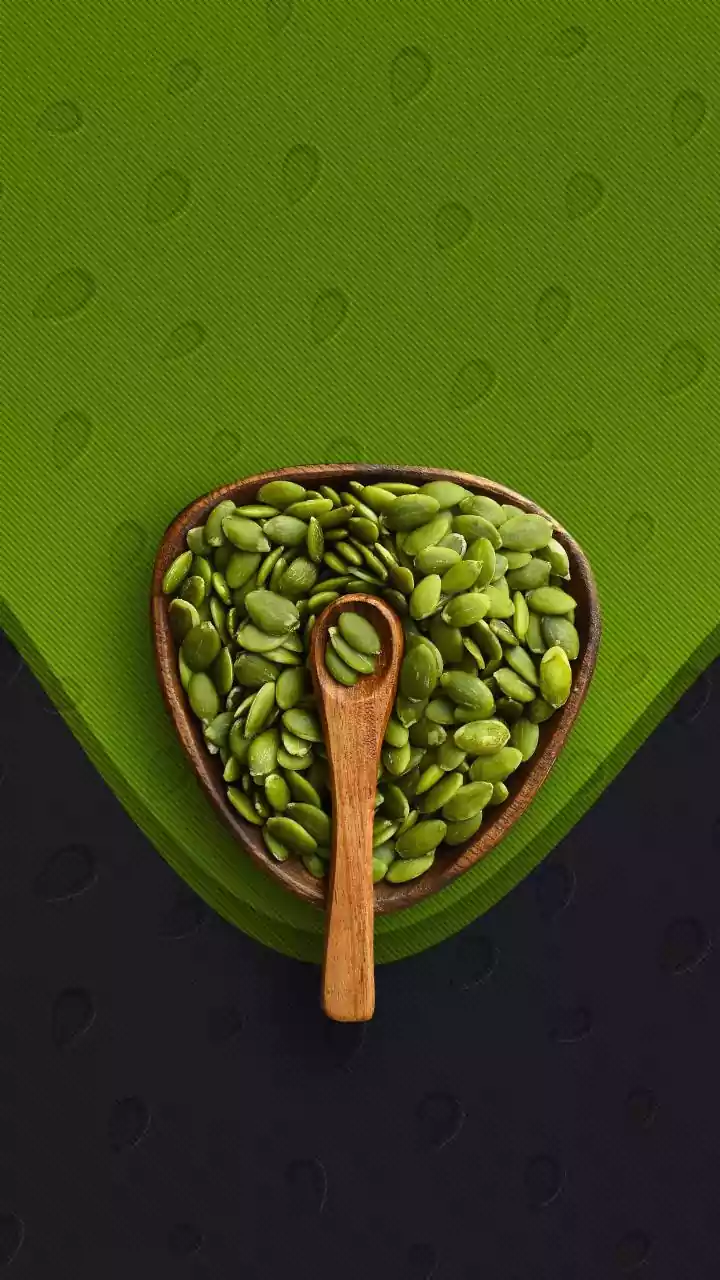
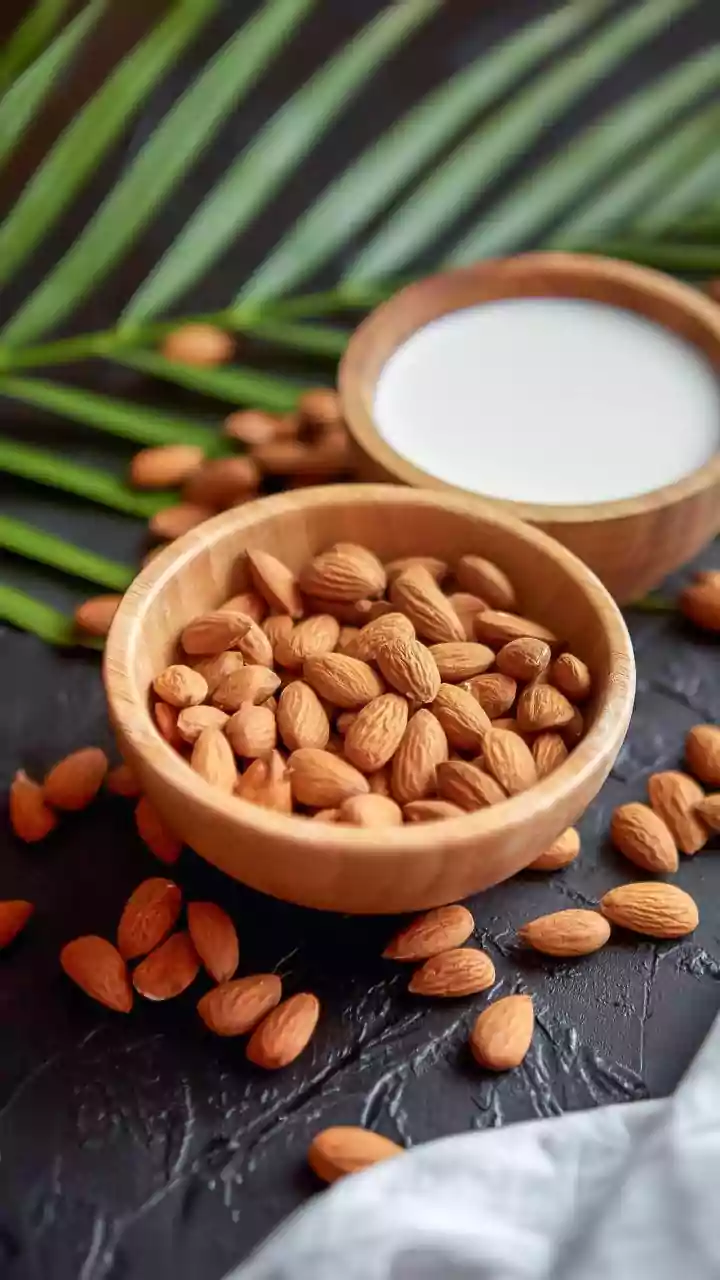
Protein has officially gone mainstream. Once seen as a niche supplement for gym-goers, it is now recognized as an essential macronutrient for everyone, crucial for everything from muscle maintenance and metabolism to sustained energy. Indian diets have traditionally been carbohydrate-heavy, but consumers are now actively looking to increase their protein intake. This has created a huge demand for snacks that are explicitly marketed as being 'high-protein'. Nuts like almonds, seeds such as pumpkin and sunflower, and snacks like roasted chickpeas (chana) are being celebrated for their natural protein content. Brands have responded enthusiastically, launching everything from protein-fortified biscuits and bars to protein-enriched versions of traditional foods, making it easier than ever for consumers to hit their daily protein goals.
Convenience for the Urban Hustle
Rapid urbanization and increasingly busy lifestyles have made convenience a non-negotiable factor in food choices. For millions of working professionals, students, and commuters, there is little time for elaborate meal preparation. This is where healthy, ready-to-eat snacks perfectly fit in. A handful of nuts, a small packet of seeds, or a protein bar can be a quick, clean, and satisfying option that provides sustained energy without the post-snack slump associated with sugary or fried foods. The rise of quick commerce and online delivery platforms has further amplified this trend, making these healthy options instantly accessible to a massive urban consumer base.
The Influence of Fitness Culture
The explosive growth of fitness culture, amplified by social media, has profoundly influenced dietary habits. Fitness influencers and online communities widely promote the benefits of clean eating, macronutrient tracking, and high-protein diets. This has normalized the idea of eating for performance and aesthetics, not just for taste. As consumers see influencers and celebrities snacking on almonds, walnuts, and seed mixes, these items gain aspirational value. This digital ecosystem provides constant education and reinforcement, encouraging followers to swap out their potato chips for makhana and their cookies for a handful of trail mix.
A Market That Delivers
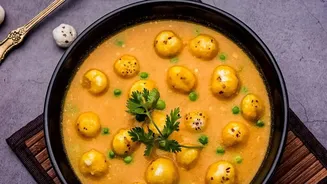
This consumer-led shift wouldn't be possible without the market responding in kind. Food companies, from large FMCG giants to innovative startups, have flooded the market with an incredible variety of healthy snack products. Traditional foods are being reinvented; makhana (foxnuts) now come in peri-peri and cheese flavours, and nut butters are available in countless variations. The packaging is modern, the flavours are appealing, and the 'healthy' messaging is clear. This innovation has made healthy snacking not only accessible but also exciting and delicious, ensuring that consumers don't feel like they are making a sacrifice for their health.