

Understanding the Late Monsoon Window
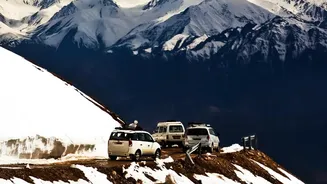
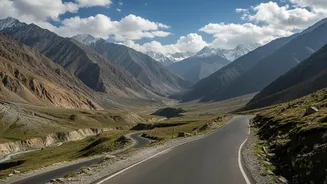
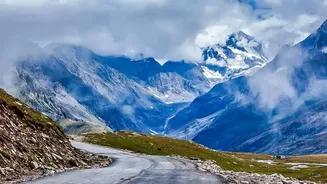
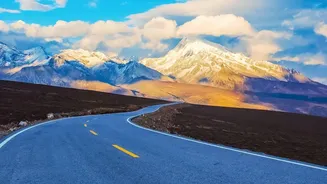
Travelling the Manali-Leh highway from late August through September is often considered a golden period. The peak monsoon rains have passed, reducing the risk of continuous downpours that plague July and August. However, this is a transitional season.
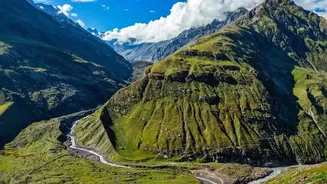
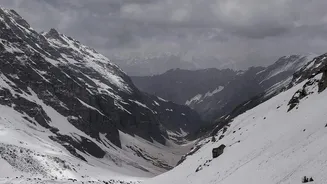
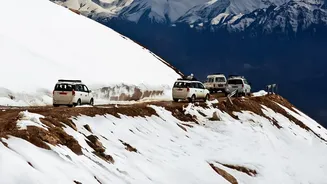
Drivers should expect lingering effects of the monsoon, such as damaged road sections, slush, and active water crossings fed by melting glaciers. While the scenery is spectacular with freshly washed mountains and clearer skies, the weather remains unpredictable. Temperatures can drop sharply, especially at night and on high passes like Tanglang La and Baralacha La, with a chance of early snowfall. Preparation for these mixed conditions is key.
Your Vehicle: The First Line of Defence
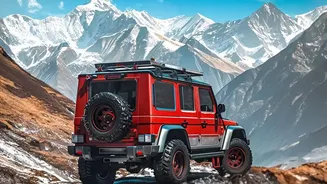
Your vehicle’s reliability is paramount on this remote highway. A pre-trip service by a trusted mechanic is non-negotiable. Pay special attention to a few key areas. First, check your tyres. They should have ample tread depth to handle wet and gravelly patches. Ensure your brakes are in top condition, as the long descents from high passes put them under immense strain. Have your engine checked, particularly the cooling system and air filter, to ensure it performs efficiently at high altitudes where oxygen is less dense. All fluids—engine oil, coolant, brake fluid, and windshield washer fluid—should be topped up. Given the monsoon, new or effective wiper blades are essential for clear visibility. Finally, a sturdy vehicle with good ground clearance, like an SUV, is recommended, although sedans can make the trip during this period if driven cautiously.
Acclimatisation: A Non-Negotiable Priority
Acute Mountain Sickness (AMS) is a serious and potentially life-threatening risk on this route, which crosses several passes over 5,000 metres. The Manali-Leh route involves a rapid gain in altitude, making gradual acclimatisation crucial. The golden rule is to ascend slowly and allow your body to adjust. Plan for a minimum two-day journey, with an overnight halt at a lower altitude location like Jispa (around 10,500 feet) rather than Sarchu (over 14,000 feet). Staying hydrated by drinking 4-5 litres of water daily is vital. Avoid alcohol and smoking, as they hinder the acclimatisation process. Symptoms of AMS include headache, nausea, dizziness, and fatigue. If you experience these, do not ascend further. Rest, hydrate, and if symptoms persist or worsen, descend to a lower altitude immediately.
Packing for Every Possibility
The key to packing for a late monsoon trip is layering. Weather can change from sunny and warm to freezing cold within hours. Your clothing should include thermal innerwear, fleece jackets, and a waterproof and windproof outer shell. Warm socks, gloves, and a woollen cap are essential, as nights are cold. For your vehicle, carry an emergency toolkit, a puncture repair kit, and a tow rope. A basic first-aid kit is mandatory, including medication for headaches, fever, and stomach issues, along with any personal prescriptions. Consulting a doctor about carrying medication for AMS, like Diamox, is also advisable. High-energy snacks and a reusable water bottle are useful for the long stretches between facilities.
On the Road: Smart and Safe Driving
Start your days early to maximize daylight and give yourself a buffer for unexpected delays, which are common. Aim to reach your nightly stop well before dark. Be extremely cautious at water crossings; assess the depth and current before proceeding. If unsure, wait and watch how other vehicles, especially local ones, navigate it. Maintain a moderate speed, as road surfaces can be unpredictable. Always keep a safe distance from the vehicle in front. The Border Roads Organisation (BRO) does a remarkable job of maintaining the highway, but landslides can cause temporary closures, so a flexible itinerary is your best friend.