


A Healthier Crunch with Less Oil
The biggest driver of this trend is health. Traditional snacks like samosas, pakoras, and tikkis are typically deep-fried, absorbing significant amounts of oil. An air fryer, which is essentially a compact convection oven, uses rapidly circulating hot
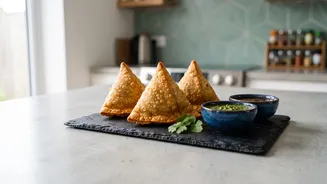
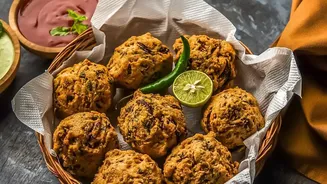
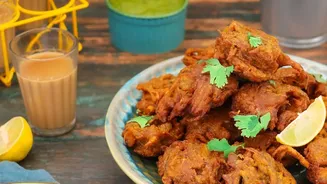
air to achieve a similar crispy texture with a fraction of the fat. Some estimates suggest air frying can reduce the fat content in snacks by up to 80-85%. For instance, a deep-fried samosa can have around 260 calories, while an air-fried version might only have 150. Similarly, air-fried onion pakoras contain about half the calories of their deep-fried counterparts. This allows health-conscious families to enjoy their favourite treats more often, without the guilt associated with heavy, oily foods.
Innovation Beyond the Samosa
While samosas and pakoras are the most common starting points, the experimentation doesn't stop there. Kitchens across India are adapting a wide range of recipes for the air fryer. Home cooks are making everything from aloo tikki and kebabs to mathri, a flaky Rajasthani biscuit. The appliance's versatility has proven effective for dishes that are usually pan-fried or baked, like paneer tikka, where it mimics the dry heat of a tandoor. Even vegetables get a makeover, with items like crispy bhindi (okra) fries and tandoori gobi (cauliflower) becoming popular air-fried sides. This culinary creativity shows that the air fryer is not just for reheating frozen foods but is becoming a tool for everyday Indian cooking.
The Allure of Convenience
Beyond the health benefits, the convenience of the air fryer is a major draw. Deep-frying is often a messy and time-consuming process that leaves a lingering smell of oil in the kitchen. Air fryers offer a cleaner, faster alternative, especially for small batches. There is no large pot of oil to handle, and cleanup is often as simple as washing the removable basket. This makes it much easier to whip up a quick evening snack with tea or prepare a platter of appetisers for guests with minimal fuss. The speed and ease-of-use mean that snacks once reserved for special occasions or bought from outside can now be made at home any day of the week.
Adapting Taste and Technique
Is the taste identical to deep-fried? Not exactly, and that’s a crucial part of the learning curve. While an air fryer delivers an impressive crunch, the texture can be different from the flaky, bubbly crust of a perfectly deep-fried samosa. The air-fried versions are often described as crispier but perhaps less flaky. Success lies in adaptation. Home cooks have found that batters for items like pakoras need to be thicker to prevent them from dripping through the basket. Using frozen samosas can sometimes yield better results as the pre-sealed pastry holds its shape well. A light brush or spray of oil is also key to achieving a golden-brown finish and avoiding a dry texture. It's less a replacement and more a new interpretation of a classic.
A Trend Here to Stay
The growing popularity of air fryers in India is a clear market trend, with manufacturers now developing models with preset functions specifically for Indian recipes. This appliance has found a natural home in the Indian kitchen because so many of our cooking techniques, like tandoori cooking, rely on dry heat. By combining tradition with modern technology, home cooks are not just making healthier food; they are personalizing their culinary heritage. They are creating new family favourites that are lighter, faster, and better suited to a contemporary lifestyle, proving that innovation can be just as delicious as tradition.