




The Art of Nothing
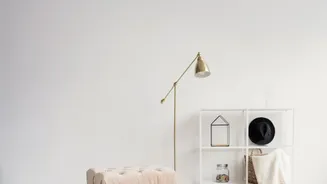
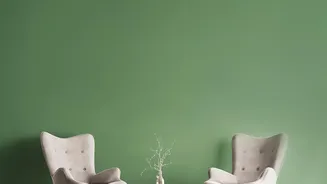
In art, the space around and between the main subjects of an image is called “negative space.” The subject itself is the “positive space.” It might seem strange to give a name to the ‘nothing’ in a picture, but this emptiness is far from meaningless.
Think of it as the silence between musical notes; it’s what gives rhythm and meaning to the whole composition. This space isn't just a background; it's an active participant that defines boundaries, creates balance, and guides the viewer's eye. Without it, even the most brilliant subject can feel cluttered and chaotic.
A Secret Tool for Balance and Focus
Artists have long understood that negative space is a key element of composition. By surrounding a subject with plenty of open space, an artist can isolate it, making it the undeniable focal point. This technique commands the viewer's attention. It also creates a sense of balance. A complex, visually 'heavy' object on one side of a canvas can be perfectly balanced by a large area of 'empty' space on the other. This creates a composition that feels harmonious and complete, rather than lopsided. It’s a subtle equilibrium between filled and unfilled areas that dictates the rhythm of how we view a piece of art.
Beyond the Painting
The power of negative space extends far beyond traditional art. Look closely at the logos you see every day. One of the most famous examples is the FedEx logo, which uses negative space to hide an arrow between the 'E' and 'x', subtly suggesting forward movement and speed. In graphic and web design, this concept is often called “white space.” It doesn't have to be white; it's any unmarked area that gives content room to breathe. Generous white space improves readability, creates a clean and professional look, and can even make a brand feel more luxurious and sophisticated.
The Beauty of Emptiness
The appreciation for empty space is a core tenet of several philosophies, most notably in Japanese culture with the concept of “Ma” (間). Ma refers to the interval or pause, not just in space but also in time. It can be seen in the careful placement of flowers in an Ikebana arrangement, where the space between the stems is as important as the flowers themselves, or in the silent pauses in traditional music that build tension and emotion. This isn't about emptiness for its own sake, but about understanding that the void is what gives shape and meaning to the substance. The kanji character for Ma even depicts sunlight streaming through a gate, illustrating the idea that space allows for light and meaning to pass through.
How to Train Your Eye
Once you become aware of negative space, you’ll start seeing it everywhere. A simple way to practice is to look at an object, like a chair or a plant, and instead of drawing the object itself, try to sketch the shapes of the spaces around it. Notice the gap between the chair legs or the space between the leaves. This exercise forces you to see the world not just in terms of objects, but in terms of shapes and relationships. You will begin to notice how a well-organized bookshelf feels more calming than a cluttered one, or how a minimalist poster can have more impact than a busy one. It’s a new way of seeing that can enrich your appreciation for the world.